




News

Custom Auxiliary Systems to Complement Main Packaging Machines
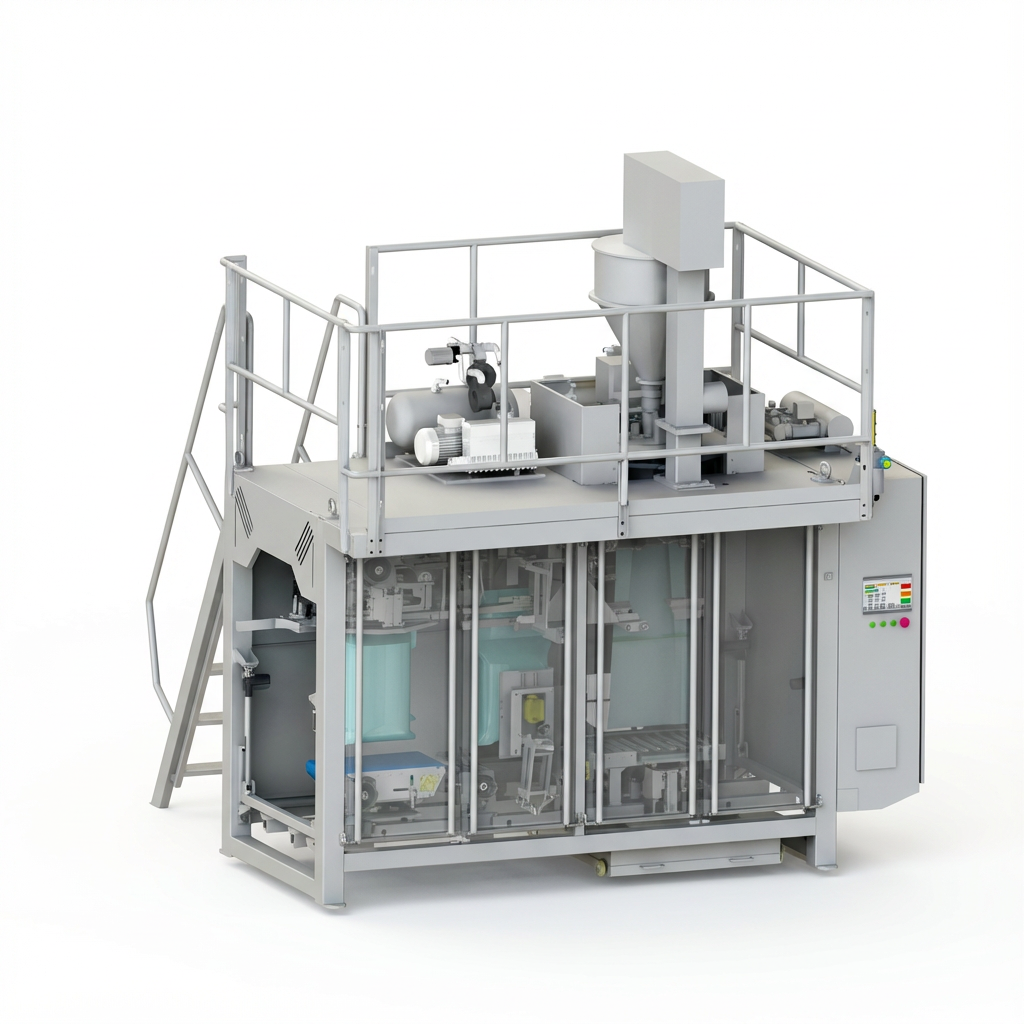
Custom Auxiliary Systems to Complement Main Packaging Machines – A Complete Industry Guide
In today’s competitive global packaging landscape, main packaging machines are engineered to handle core tasks like filling, sealing, or labeling, but they often lack the flexibility to adapt to unique product specifications, variable production volumes, or strict regulatory requirements. This gap has led to the growing adoption of custom auxiliary systems: purpose-built add-ons designed to integrate seamlessly with existing or new primary packaging lines, addressing bottlenecks, enhancing efficiency, and ensuring compliance. This guide explores everything you need to know about custom auxiliary systems for packaging, including their definitions, key types, advantages, technical specs, and best practices for implementation.
---
What Are Custom Auxiliary Systems for Packaging? (Definition & Core Purpose)
Custom auxiliary systems are specialized, modular components built to extend and optimize the capabilities of main packaging equipment. Unlike off-the-shelf auxiliary solutions—such as generic conveyors or standard checkweighers—these systems are tailored to a specific production line, product type, or operational goal. Their core purposes include:
- Eliminating production bottlenecks that limit main line throughput
- Improving handling precision for irregular or fragile products
- Enhancing quality control to reduce defective units reaching the market
- Ensuring alignment with industry-specific regulatory standards
- Cutting operational costs via reduced downtime and product waste
For example, a main packaging machine for frozen French fries may struggle to process irregularly cut pieces that cause frequent jams; a custom product orienting auxiliary system solves this by aligning each piece consistently, reducing downtime by up to 30% in some cases.
---
Key Types of Custom Auxiliary Systems for Packaging Lines
Custom auxiliary systems are categorized by their function, each designed to address a unique gap in a main line’s performance:
1. Custom Product Handling Auxiliaries
These systems include feeders, orienters, sorters, and infeed mechanisms tailored to product shape, size, and texture. Standard feeders fail to maintain consistent flow for irregular items like artisanal chocolates, medical implants, or oddly shaped electronics components. Custom orienters use vacuum grippers, visual guides, or robotic arms to position items correctly before they reach the main machine, while sorters separate defective units early to avoid downstream disruptions.
2. Custom Quality Control & Inspection Systems
Beyond generic metal detectors or checkweighers, these systems are programmed to detect micro-defects, misaligned printing, or missing parts that standard sensors overlook. For pharmaceutical blisters, custom vision inspection units can identify tiny pill defects or incorrect dosage levels; for food products, they check for foreign particles or packaging seal integrity. All inspection systems integrate with the main line’s PLC (Programmable Logic Controller) to trigger immediate rejects, ensuring only compliant products move forward.
3. Custom Material Handling & Conveying Solutions
Standard conveyors are one-size-fits-all, but custom versions are built for specific environments:
- Sanitary conveyors: For food/pharma industries, with easy-to-clean surfaces and sealed joints to prevent cross-contamination.
- Flexible conveyors: Bend around facility obstacles to optimize space.
- Heavy-duty conveyors: Handle large, bulky industrial packaging goods.
Some custom conveyors also include gates or diverters to route products to different lines based on SKU or order requirements.
4. Custom Regulatory Compliance & Documentation Auxiliaries
Regulatory bodies (FDA, CE, FSIS) mandate strict tracking and labeling for many products. Custom auxiliary systems here include:
- Variable data labelers: Apply unique batch numbers, expiration dates, or GS1 barcodes to each package, with built-in verification to ensure data accuracy.
- Traceability systems: Log production data (batch numbers, machine settings, inspection results) for compliance with rules like FDA 21 CFR Part 11.
5. Custom Reject & Waste Management Systems
When defects are detected, custom reject diverters remove non-compliant items without disrupting main line flow. Unlike standard pneumatic diverters, custom ones operate at high speeds (up to 220 units per minute) for fast-moving lines and are calibrated to handle specific product sizes. Waste management auxiliaries include compactors tailored to packaging waste (plastic, cardboard, aluminum) that reduce volume by up to 70%, cutting disposal costs.
6. Custom Secondary Packaging Auxiliaries
These support tasks like case erecting, tray forming, or palletizing. For example, a cosmetics brand with irregularly shaped boxes needs a custom case erector that adjusts to the box’s dimensions without damaging the product. Custom Palletizing Systems arrange mixed SKUs on pallets to optimize storage space, reducing logistics costs.
---
Core Advantages of Custom Auxiliary Systems vs. Off-the-Shelf Alternatives
Custom auxiliary systems deliver measurable benefits that standard solutions cannot match:
Optimized Throughput & Reduced Bottlenecks
A main line’s efficiency is limited by its weakest link. Standard aux systems often create bottlenecks when they can’t keep up with the main line’s speed or handle unique products. Custom systems are engineered to match the main line’s exact throughput—for example, a custom feeder aligned to a 120 units per minute main line eliminates slowdowns. Industry data shows operations using custom aux systems see an average of 25% higher throughput.
Enhanced Product Safety & Integrity
Custom systems handle products gently, reducing damage that leads to waste. For fragile glass bottles, custom grippers avoid crushing, while sanitary designs for food/pharma prevent cross-contamination. Custom safety interlocks also address operational risks like sharp industrial parts, ensuring worker compliance with OSHA or equivalent rules.
Flexibility for SKU Variation & Scalability
Consumer preferences require frequent SKU changes. Standard aux systems need major reconfigurations or replacements for new products, but custom systems are built for adaptability: a custom orienter can be adjusted via software to handle a new product shape in minutes, not hours or days. This reduces time-to-market for new products and avoids costly line overhauls.
Long-Term Cost Efficiency
While custom systems have higher upfront costs, they deliver ROI in 12–18 months via reduced downtime, lower waste, and fewer labor costs. For example, a snack manufacturer cut product waste from 10% to 2% after switching to custom orienters, saving $500k annually for a line producing 10 million bags a year.
Tailored Regulatory Compliance
Standard systems only meet basic regulations, but custom aux systems are aligned to your industry’s specific rules. For pharmaceutical lines, a custom documentation system logs all batch data automatically, ensuring compliance with FDA traceability requirements and avoiding recall risks.
---
Technical Specifications & Selection Guide
Choosing the right custom auxiliary system requires evaluating key specs to ensure line compatibility. The table below outlines critical details for common custom systems:
| Auxiliary System Type | Required Integration Protocol | Typical Throughput (Units/Min) | Product Compatibility | Key Regulatory Fit |
|------------------------------|---------------------------------------|--------------------------------|--------------------------------------|-----------------------------------------------------|
| Custom Product Orienting System | Modbus, EtherNet/IP (PLC) | 30–200 | Irregular, small/medium items | FSIS, FDA, CE (medical) |
| Custom Vision Inspection Unit | SCADA system | 50–150 | Flat/packaged items, printed materials | FDA traceability, CE labeling rules |
| Sanitary Conveyor | Proximity sensor interface | 40–180 | Wet/dry food, pharmaceutical products | 3-A Sanitary Standards, FDA 21 CFR Part 11 |
| Variable Data Labeler | ERP system integration | 60–120 | All packaging types (bags, cartons) | GS1 standards, FDA track-and-trace |
| Reject Diverter System | Main line error detection module | 80–220 | Solid items, packaged goods | ISO 9001, food safety regulations |
| Custom Case Erector | Main line case handling module | 20–80 | Unique box sizes, specialty packaging | Retail packaging standards, CE safety |
Key takeaways: Integration protocols like EtherNet/IP ensure fast, reliable data transfer between aux and main lines, while throughput ranges match common main line speeds. Always align product compatibility with your specific items (e.g., sanitary conveyors for food production).
---
Best Practices for Integrating Custom Auxiliary Systems
To maximize the value of custom auxiliary systems:
1. Conduct a Line Audit: Map pain points (bottlenecks, downtime triggers) to ensure the custom system addresses your exact needs, not generic ones.
2. Partner with Experienced Integrators: Choose integrators with industry-specific expertise (food, pharma, etc.) to avoid design flaws that lead to costly delays.
3. Prioritize Modularity: Select systems with quick-change components to adapt to future SKU changes without full overhauls.
4. Run Pilot Tests: Test the system with real products to catch issues like product damage or integration errors before full deployment.
5. Train Staff: Provide ongoing training for operators and maintenance teams to minimize downtime and maximize efficiency.
---
Future Trends in Custom Auxiliary Systems
- AI-Powered Predictive Maintenance: Custom systems will use AI to monitor wear and predict failures, reducing unplanned downtime by 40%.
- IoT-Enabled Real-Time Monitoring: Remote tracking of line performance will allow data-driven adjustments to optimize throughput.
- Sustainability-Focused Designs: Aux systems will integrate waste sorting and recycling at the line, cutting packaging waste by up to 30%.
- Miniaturized Systems: Small-batch specialty operations will access affordable, compact custom aux systems for low-volume production.
---
Conclusion
Custom auxiliary systems are no longer a luxury—they are essential for packaging operations to stay competitive, comply with regulations, and adapt to evolving market demands. By choosing tailored solutions that integrate seamlessly with main machines, brands can boost efficiency, reduce costs, and ensure product quality. Following best practices for selection and implementation will help you maximize ROI and future-proof your packaging line for years to come.
 Baolan Group Industrial Park, Zhangdian District, Zibo City, Shandong Province Branch Offices: Hefei / Xinjiang / Shanghai Processing Bases: Zibo / Hefei
 +86 15156080266
 emocnn@163.com
© Copyright: 2026 Shandong Chengyi Intelligent Equipment Co., Ltd. All Rights Reserved.

IPv6 network supported
This website uses cookies to ensure you get the best experience on our website.


Comment
(0)