




News

Dust Control Features in Powder Heavy Duty Packaging Machines
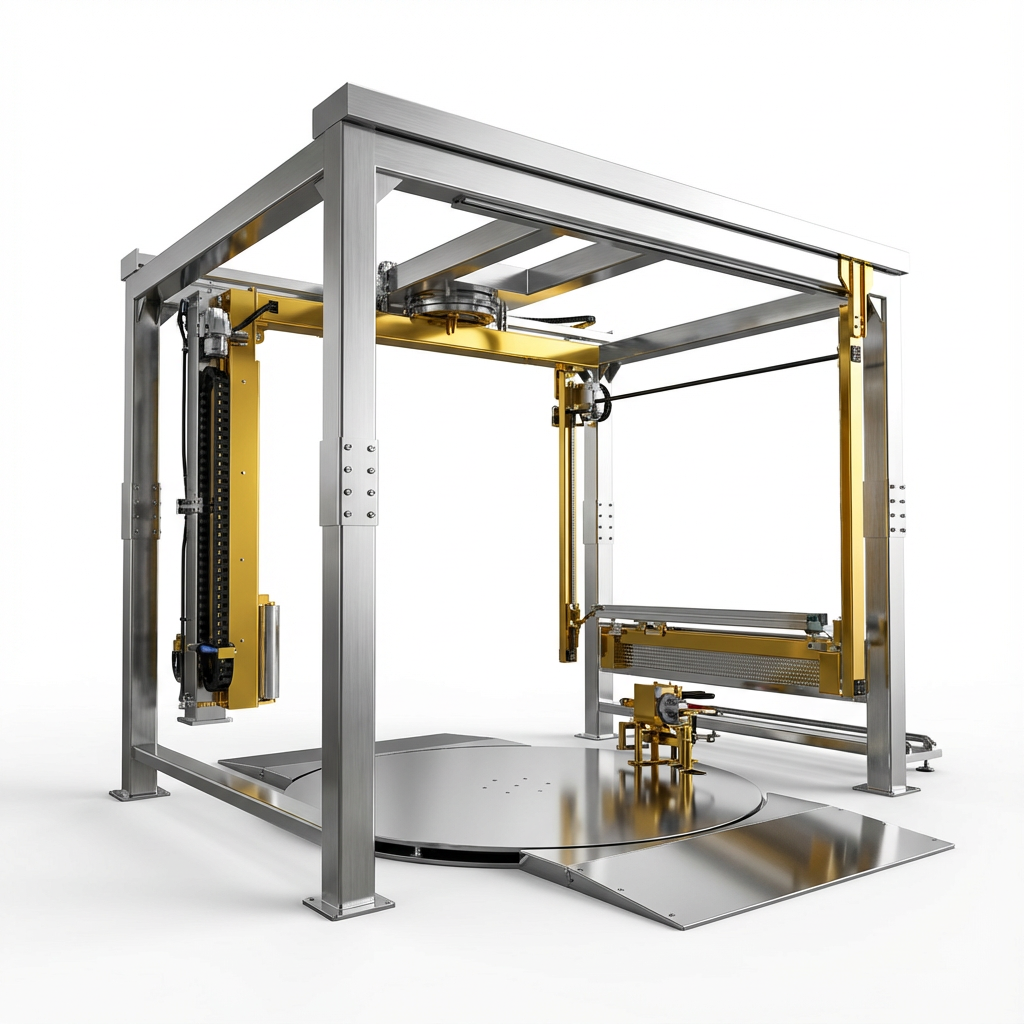
Dust Control Features in Powder Heavy Duty Packaging Machines: A Comprehensive Guide for Industrial Safety, Efficiency, and Compliance
Powder heavy duty packaging machines are specialized industrial systems designed to handle bulk, fine-grained, or powdered materials—ranging from mineral powders, chemical additives, and pharmaceutical excipients to food-grade powders like flour or cocoa. One of the most persistent challenges in operating these machines is the generation of airborne dust during filling, sealing, conveying, and packaging processes. Uncontrolled dust in powder packaging lines poses significant risks to workers’ health, operational efficiency, product integrity, and environmental compliance. This guide outlines the essential dust control features integrated into modern powder heavy duty packaging machines, their functionalities, benefits, and best practices for implementation to help industrial operators optimize their processes while adhering to global safety standards.
1. Understanding Powder Heavy Duty Packaging Machines and Dust-Related Challenges
Powder heavy duty packaging machines are engineered for high-volume, precision packaging of dense or loose powders, operating at speeds that often exceed 50 packages per minute for large-scale industrial applications. Common types include auger fillers, valve bag fillers, open mouth baggers, and drum fillers, all of which involve moving powders through hoppers, chutes, nozzles, and transfer points—areas where fine particles become easily airborne. The risks associated with unmanaged dust are multi-faceted:
Health Hazards
Fine powder particles (under 10 microns, PM10, or especially respirable particles under 2.5 microns, PM2.5) can penetrate deep into the respiratory system, leading to chronic conditions like silicosis, asthma, or even long-term lung damage. Regulatory bodies such as the U.S. Occupational Safety and Health Administration (OSHA), the European Agency for Safety and Health at Work (EU-OSHA), and the International Organization for Standardization (ISO) have set strict exposure limits for airborne dust in industrial settings. For example, OSHA’s permissible exposure limit (PEL) for respirable crystalline silica is 50 micrograms per cubic meter of air (μg/m³) over an 8-hour time-weighted average (TWA).
Product Integrity and Waste
Airborne dust can contaminate finished powder products, leading to rejects that result in significant financial loss. In food or pharmaceutical industries, even trace dust from cross-contamination can render batches unfit for use. Additionally, during packaging, dust particles escaping the machine lead to material loss, increasing raw material costs and reducing overall operational yield. For example, a chemical plant using an un sealed auger filler might lose 5–10% of its powdered product to airborne dust, adding up to thousands of dollars in monthly waste.
Operational Disruptions
Dust accumulation on machine components (sensors, motors, conveyors) can cause premature wear, unplanned downtime, and increased maintenance costs. Dust settling on electrical parts may also create fire or explosion risks, especially for flammable powders like coal, aluminum, or certain chemical compounds. A 2022 industry study found that un controlled dust accounts for 15–20% of unplanned downtime in powder packaging facilities, with maintenance teams spending up to 20 hours per week cleaning dust from critical machine parts.
Environmental Compliance
Industrial dust emissions contribute to air pollution, leading to fines and regulatory penalties for non-compliance with environmental laws. Many regions require operators to report dust emission levels and maintain systems that keep particulate matter (PM) within permissible ambient limits. For instance, the U.S. Environmental Protection Agency (EPA) enforces National Ambient Air Quality Standards (NAAQS) for PM2.5, with violations resulting in fines of up to $50,000 per day for repeated offenses.
2. Core Dust Control Features in Modern Powder Heavy Duty Packaging Machines
To address these challenges, manufacturers of powder heavy duty packaging machines integrate specialized dust control features that target dust generation at the source, capture it before it becomes airborne, and safely dispose of or filter it. Below are the most critical features, each designed to meet specific operational needs:
2.1 Enclosed Machine Design and Source Capture
The foundation of effective dust control in powder packaging machines is a fully enclosed design that minimizes open points where powder can escape. Unlike older, open-frame machines, modern heavy duty packaging systems feature sealed enclosures around all powder handling zones: hoppers, filling nozzles, rotary valves, and discharge points. These enclosures are fitted with airtight access panels to prevent leakage during maintenance and connect directly to dust extraction systems to capture any minor dust that may escape during operation. Source capture is a key principle here: instead of trying to control dust after it spreads, the enclosure captures it at the point of generation. For example, a valve bag filler uses an enclosed nozzle that inserts into the bag’s valve and seals around it, so any dust released during filling is contained within the nozzle’s enclosure and immediately sucked into the extraction system.
2.2 Local Exhaust Ventilation (LEV) Systems
Local Exhaust Ventilation (LEV) is the most widely used dust control feature in powder packaging machines. LEV systems consist of a network of ducts, fans, and hoods or nozzles positioned directly at dust generation points to suck in airborne dust before it enters the work environment. For powder packaging applications, LEV systems are tailored to each machine type: for auger fillers, LEV hoods are placed above the filling point to capture dust rising from the hopper; for drum fillers, LEV nozzles are positioned around the drum’s opening to contain dust during filling. Modern LEV systems are equipped with variable speed fans that adjust airflow based on real-time dust levels, reducing energy consumption by up to 30% compared to fixed-speed systems. Additionally, LEV systems are designed to maintain negative pressure within the machine’s enclosure, ensuring that air (and any dust) flows toward the extraction system rather than escaping into the facility.
2.3 High-Efficiency Filtration Technologies
Once dust is captured by LEV systems, it is passed through filtration systems to remove particulate matter before releasing air back into the facility or atmosphere. The type of filter used depends on the powder’s properties (size, flammability, toxicity) and required emission levels:
- HEPA (High-Efficiency Particulate Air) Filters: HEPA filters are standard for applications requiring ultra-clean air, such as pharmaceutical or food-grade powder packaging. These filters capture 99.97% of particles 0.3 microns in size, and even higher percentages for smaller particles, making them ideal for removing respirable dust. HEPA filters are often used in combination with pre-filters to extend their lifespan by removing larger particles first.
- Baghouse Filters: For high-volume, industrial powder operations handling large amounts of bulk powder, baghouse filters are preferred. These use fabric filter bags to capture dust, with a pulse-jet cleaning system that shakes the bags periodically to remove accumulated dust, ensuring consistent airflow. Baghouse filters are highly efficient, often achieving over 99% removal of PM10 particles, and are suitable for flammable powders when fitted with explosion venting systems.
- Cyclone Separators: Cyclones use centrifugal force to separate larger dust particles from air, making them ideal as pre-filters for LEV systems. They are low-maintenance, require no filters, and can handle high dust loads efficiently. Cyclones are often used before HEPA or baghouse filters to reduce the load on higher-efficiency filters, extending their service life by up to 40%.
2.4 Precision Sealing Mechanisms
Sealing is critical to prevent dust leakage at points where powder moves between components or is packaged. Modern powder packaging machines incorporate several sealing technologies:
- Double-Seal Filling Nozzles: These nozzles have two concentric seals that create a barrier between the powder inside the nozzle and the surrounding environment. The inner seal fits tightly around the bag’s valve or drum opening, while the outer seal prevents air (and dust) from escaping between the nozzle and the container. Double-seal nozzles significantly reduce dust release during filling, even for fine, aerated powders.
- Rotary Airlock Valves: For conveying powder between processing stages, rotary airlock valves are used to maintain airtight seals while allowing powder to flow through. These valves have rotating blades that fit tightly against the valve housing, preventing air from leaking out and dust from becoming airborne. They are essential for systems that handle powders at low or high pressures, ensuring that air doesn’t carry dust into areas where it shouldn’t go.
- Static and Dynamic Seals: All moving parts (shafts, joints) in the machine are fitted with high-quality static or dynamic seals made from durable materials like polyurethane or stainless steel. These seals prevent dust from escaping around moving components, reducing the need for frequent cleaning and minimizing dust exposure.
2.5 Inert Gas Purge Systems (for Flammable Powders)
For powders that are flammable or explosive (e.g., aluminum powder, magnesium, certain chemical powders), dust control also involves explosion prevention. Inert gas purge systems work by filling the machine’s enclosure with an inert gas (usually nitrogen or argon) to displace oxygen, reducing the oxygen concentration below the level required for combustion (typically below 8–10% by volume). These systems not only prevent explosions but also reduce dust dispersion by displacing air, making dust capture more efficient. Inert gas purge systems are integrated with LEV and filtration systems to ensure that any remaining dust is safely captured and filtered, while maintaining inert conditions within the machine.
2.6 Real-Time Dust Monitoring and IoT Integration
Modern powder heavy duty packaging machines often feature IoT-enabled dust monitoring sensors that measure airborne dust levels in real time. These sensors use laser-based technology to detect PM2.5 and PM10 levels, sending data to a central control system. If dust levels exceed pre-set thresholds, the system automatically adjusts LEV fan speed, increases filtration, or alerts operators to take action. This proactive monitoring reduces the risk of dust-related incidents, ensures compliance with exposure limits, and optimizes dust control system performance to reduce energy waste. For example, a sensor detecting higher dust levels during peak production can trigger the LEV system to increase airflow temporarily, ensuring no dust escapes, while returning to lower speed during off-peak times.
2.7 Vibration Damping and Dust Suppression
Vibration from machine operation can cause dust to become airborne by agitating settled particles in hoppers or transfer points. To address this, modern machines incorporate vibration damping technologies, including cushioned motor mounts and vibration isolators, that reduce overall machine vibration. Additionally, some systems use dry dust suppression agents (like fine water mist or chemical agents) for very fine, easily dispersed powders—though this is balanced with the need to keep products dry (especially for powder that must remain in a free-flowing state). Vibration control not only reduces dust generation but also extends the machine’s lifespan by reducing wear on components.
3. Key Benefits of Advanced Dust Control Features in Powder Packaging Operations
The integration of robust dust control features in powder heavy duty packaging machines delivers tangible benefits across multiple areas of operation:
Compliance with Global Safety Standards
By incorporating OSHA, EU-OSHA, and ISO-compliant dust control systems, operators avoid costly fines and penalties. LEV systems, HEPA filters, and proper sealing ensure that airborne dust levels stay within permissible limits, protecting workers and meeting regulatory requirements. For example, facilities handling crystalline silica must comply with OSHA’s silica rule, which requires effective dust control measures—features like enclosed machines and HEPA filters help meet these requirements, reducing the risk of fines by up to 90%.
Enhanced Product Quality and Reduced Waste
Dust control systems prevent cross-contamination, ensuring that finished powder products meet purity standards. In industries like pharmaceuticals or food processing, this is critical to avoid product recalls or batch rejection. Additionally, capturing escaped dust means less raw material is lost during packaging, reducing material costs by up to 5–10% depending on powder type and machine efficiency. For a plant processing 100 tons of powder monthly, this translates to savings of $5,000–$10,000 per month.
Improved Worker Health and Safety
Reduced exposure to respirable dust lowers the risk of chronic respiratory diseases, improving worker well-being and reducing healthcare costs for the facility. A 2023 study by the National Institute for Occupational Safety and Health (NIOSH) found that facilities with effective dust control systems had 70% fewer respiratory-related incidents compared to those with outdated systems. A safer work environment also boosts employee morale and reduces absenteeism due to dust-related illnesses.
Increased Operational Efficiency
Less downtime for cleaning dust from machine components means more production hours. For example, machines with effective dust control require less frequent shutdowns for maintenance, increasing overall equipment effectiveness (OEE) by up to 15%. Additionally, dust control systems reduce wear on parts like bearings and motors, extending machine lifespan by several years. A modern powder packaging machine with robust dust control can last 10–15 years, compared to 5–8 years for an outdated, unsealed machine.
Environmental Sustainability
Proper dust capture and filtration reduce particulate emissions into the atmosphere, helping facilities meet environmental regulations and reduce their carbon footprint. Some modern dust control systems also use energy-efficient fans and smart monitoring, lowering energy consumption compared to older, wasteful systems. The captured dust can often be recycled or reused if it’s pure enough, reducing waste sent to landfills. For example, a mineral processing plant can recycle captured silica dust back into the production line, cutting waste by up to 80%.
4. Comparative Specification Table of Common Dust Control Features
The table below provides a side-by-side comparison of key dust control features, their working principles, typical applications, compliance advantages, and maintenance requirements:
| Dust Control Feature | Working Principle | Typical Application | Compliance Advantage | Maintenance Requirement |
|---|---|---|---|---|
| Local Exhaust Ventilation (LEV) | Negative pressure suction at dust generation points to capture airborne particles | General powder packaging, chemical, mineral, food industries | Meets OSHA, EU-OSHA exposure limits; source capture reduces dust spread | Monthly duct inspection, annual fan calibration, filter replacement as needed |
| HEPA Filtration | Mechanical filtration to capture 99.97% of 0.3μm particles | Pharmaceuticals, food-grade powders, fine chemical products | Ensures ultra-low emissions; complies with GMP (Good Manufacturing Practices) | Quarterly pre-filter change, annual HEPA integrity testing |
| Double-Seal Nozzle Systems | Dual concentric seals to prevent dust leakage during filling | Valve bag fillers, drum fillers, high-precision powder packaging | Reduces respirable dust levels by up to 80%; meets ISO 14644 (cleanroom) requirements | Regular seal inspection, replacement every 6–12 months |
| Rotary Airlock Valves | Rotating blades create airtight seal for powder transfer between zones | Conveying systems, bulk powder handling, high-pressure lines | Prevents cross-contamination and air leakage; meets explosion safety standards | Monthly blade wear inspection, lubrication of moving parts |
| Inert Gas Purge Systems | Displaces oxygen with inert gas to prevent combustion and dust dispersion | Flammable powders (aluminum, magnesium, certain chemicals) | Complies with NFPA (National Fire Protection Association) explosion standards | Annual gas line inspection, oxygen level monitoring calibration |
| Real-Time Dust Sensors | Laser-based detection of PM2.5/PM10 levels to trigger system adjustments | All high-volume powder packaging lines, IoT-integrated facilities | Ensures continuous compliance with exposure limits; proactive risk management | Quarterly sensor calibration, lens cleaning to prevent dust interference |
| Baghouse Filters | Fabric filter bags with pulse-jet cleaning for high dust load capacity | High-volume industrial powder operations, mineral processing, coal packaging | Achieves over 99% PM removal; meets EPA emission standards | Bi-annual bag replacement, pulse jet system maintenance, pressure differential monitoring |
5. Best Practices for Implementing Dust Control in Powder Packaging Lines
To maximize the effectiveness of dust control features in powder heavy duty packaging machines, operators should follow these best practices:
Conduct a Dust Hazard Analysis (DHA)
Before installing or upgrading dust control systems, perform a detailed DHA to identify all dust generation points, assess risks (health, explosion, compliance), and determine the required dust control measures for your specific powder type and operation. A DHA should include air sampling to measure existing dust levels and review of regulatory requirements applicable to your industry. For example, a plant handling pharmaceutical powders will need to comply with stricter GMP standards than a plant handling mineral powders, so the DHA will prioritize HEPA filtration and cleanroom enclosures.
Perform Regular Maintenance of Dust Control Systems
Dust control features require consistent upkeep to function properly. Implement a preventive maintenance schedule that includes daily visual inspections (checking for dust leakage, seal wear), weekly functional tests (verifying LEV airflow rates), and annual professional audits (testing HEPA filter integrity, calibrating dust sensors). For example, HEPA filters must be tested for leaks using a aerosol generator every 12 months to ensure they are capturing particles as intended.
Train Operators on Dust Control Protocols
Ensure that all operators are trained to use and maintain dust control systems correctly. This includes understanding how to adjust LEV airflow, identify warning signs (like increased dust levels from clogged filters), and perform basic troubleshooting. Regular refreshers every 6 months can help ensure that operators follow best practices, reducing human error that can compromise dust control. For example, an operator who accidentally bypasses the LEV system during maintenance can cause a major dust release if not properly trained.
Integrate Dust Control with Plant-Wide Safety Systems
Connect the powder packaging machine’s dust control system to the plant’s overall safety network. For example, if dust levels exceed pre-set thresholds, the system should trigger
 Baolan Group Industrial Park, Zhangdian District, Zibo City, Shandong Province Branch Offices: Hefei / Xinjiang / Shanghai Processing Bases: Zibo / Hefei
 +86 15156080266
 emo@cyznpack.com
© Copyright: 2026 Shandong Chengyi Intelligent Equipment Co., Ltd. All Rights Reserved.

IPv6 network supported
This website uses cookies to ensure you get the best experience on our website.


Comment
(0)