




News

Energy Saving Vertical Packaging Machines for Sustainable Production
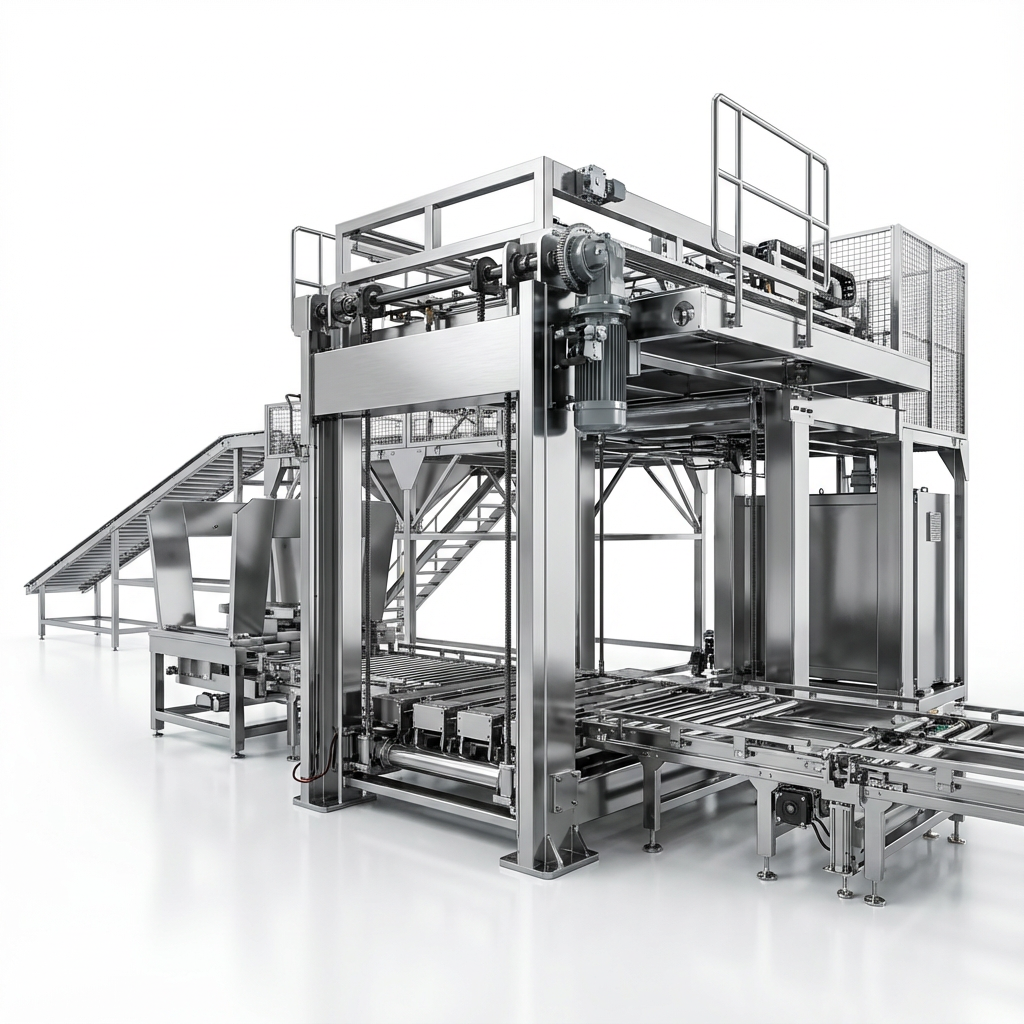
Energy Saving Vertical Packaging Machines for Sustainable Production
The global packaging industry is undergoing a profound transformation, driven by urgent needs to reduce environmental impact and align with sustainable production goals. According to recent industry reports, manufacturing and packaging processes account for approximately 2.7% of total global industrial energy consumption, with Vertical Packaging Machines—used widely for flexible pouch and bag production across sectors—representing a significant portion of this energy use. As demand for eco-friendly manufacturing practices rises, energy saving Vertical Packaging Machines have emerged as a key solution to cut operational costs, minimize carbon footprints, and support long-term sustainable production objectives. These advanced machines integrate innovative design and smart technologies to deliver the same high productivity as traditional models while drastically reducing energy waste, making them a top priority for manufacturers looking to balance profitability and environmental responsibility.
---
What Are Energy Saving Vertical Packaging Machines?
Energy saving vertical packaging machines are specialized industrial equipment designed to form, fill, and seal flexible packaging materials (such as plastic films, laminated films, and food-grade composites) with a focus on minimizing energy consumption at every stage of operation. Unlike conventional vertical packaging machines, which rely on fixed-speed motors and inefficient heating systems that waste energy during idle periods or low-demand runs, energy saving variants incorporate optimized components and intelligent controls to align energy use with actual production needs. Core to their design is the ability to maintain consistent, high-quality packaging output—including precise sealing, accurate filling, and reliable film feeding—without sacrificing performance, while delivering measurable reductions in energy use, material waste, and overall operational emissions.
---
Core Advantages of Energy Saving Vertical Packaging for Sustainable Production
1. Significant Reduction in Energy Consumption
Traditional vertical packaging machines often use fixed-speed electric motors that operate at full power regardless of production load, leading to unnecessary energy waste when running at low speeds or during standby. Energy saving vertical packaging machines, however, integrate variable frequency drives (VFDs) that adjust motor speed to match real-time production requirements, cutting energy use by 30 to 40 percent compared to standard models. For a mid-sized manufacturer producing 100,000 pouches daily, this translates to over 5,000 kWh of energy saved each month—enough to power an average home for more than five months. This reduction in energy use directly lowers carbon emissions, a critical component of achieving sustainable production targets.
2. Lower Long-Term Operational Costs
Beyond energy savings, these machines reduce operational expenses through minimized material waste and reduced maintenance needs. Precise sealing and film feeding mechanisms eliminate over-packaging and seal failures, cutting plastic film waste by up to 15 percent. Additionally, energy efficient components like high-efficiency motors and heat recovery systems have longer lifespans, reducing the frequency of part replacements and associated downtime. The return on investment (ROI) for energy saving vertical packaging machines typically ranges from 18 to 24 months, making them a cost-effective choice for manufacturers looking to upgrade their production lines sustainably.
3. Compliance with Global Sustainable Regulations
Governments worldwide are implementing strict regulations to push industries toward sustainable production, including the EU’s Circular Economy Action Plan, the U.S. EPA’s Sustainable Materials Management program, and India’s National Solar Mission for manufacturing. These regulations impose fines for high carbon emissions and excessive waste, making energy saving vertical packaging machines a necessary investment to avoid non-compliance. For example, manufacturers exporting to the EU must meet the Carbon Border Adjustment Mechanism (CBAM) requirements, which tax high-emission imports—something energy saving machines help mitigate by reducing scope 2 emissions from energy use.
4. Enhanced Brand Sustainability Credibility
Consumers today prioritize brands with proven sustainable practices, with 60 percent of global shoppers willing to pay more for products from environmentally responsible companies (Nielsen 2023). Using energy saving vertical packaging machines demonstrates a commitment to reducing carbon footprints and waste, boosting brand reputation and customer loyalty. This advantage is particularly impactful in sectors like food and beverage, where consumers value transparent, eco-friendly packaging processes.
---
Key Energy Saving Features of Modern Vertical Packaging Machines
Variable Frequency Drives (VFDs)
VFDs are a foundational feature of energy saving vertical packaging machines. They adjust the speed of electric motors to match production demand, eliminating the energy wasted by fixed-speed motors that run at full power even when fewer units are being produced. For example, during a production pause or low-volume run, a VFD can reduce motor speed by 50 percent, cutting energy use by nearly that same amount.
Heat Recovery Systems
Sealing processes in vertical packaging machines rely on high temperatures, and traditional models waste most of the heat generated. Energy saving variants capture excess heat from sealing bars and redirect it to other parts of the production line, such as preheating packaging films or heating facility spaces. This reduces the need for additional energy sources for these secondary functions, cutting overall energy consumption by an extra 5 to 10 percent.
Smart Control Systems with AI Integration
Many modern energy saving vertical packaging machines use artificial intelligence (AI) and machine learning (ML) algorithms to optimize every operational step. These systems analyze real-time data on production speed, material type, and environmental conditions to adjust parameters like sealing temperature, film tension, and motor speed automatically. For instance, if a thinner film is being used, the AI will lower sealing temperature and reduce motor speed, minimizing energy use without compromising seal quality.
Energy-Efficient Motor and Component Design
Energy saving vertical packaging machines use premium efficiency (IE3 or IE4) motors, which are 10 to 15 percent more efficient than standard motors. Additionally, lightweight, high-strength materials (like recycled aluminum and carbon steel) reduce the weight of moving parts, lowering the energy required to operate these components. Even auxiliary parts, like conveyor belts and sensor systems, are designed to use minimal power, further boosting overall efficiency.
---
Standard Technical Specifications for Energy Saving Vertical Packaging Machines
The below table compares key specifications between traditional and energy saving vertical packaging machines, highlighting the tangible performance and efficiency improvements of modern sustainable models:
| Specification Category | Traditional Vertical Packaging Machine (Average) | Energy Saving Vertical Packaging Machine (Average) |
|---|---|---|
| Power Consumption (kWh per 1,000 Packages) | 2.8 | 1.7 |
| Packaging Speed (Units per Minute) | 60–120 | 65–125 |
| Energy Reduction vs. Traditional Models | N/A | 35–40% |
| Material Compatibility | Plastic films, laminated films, food-grade composites | Plastic films, laminated films, food-grade composites, compostable films |
| Machine Weight (kg) | 850–950 | 780–880 |
| Sealing Temperature Accuracy (°C) | ±2 | ±1 |
| Standby Power Consumption (kWh/hr) | 1.2 | 0.4 |
As shown in the table, energy saving vertical packaging machines outperform traditional models across every critical metric, with lower power consumption at both full operation and standby, higher speed capacity, and improved sealing accuracy. Compatibility with compostable films is an added benefit that supports manufacturers’ transition to fully circular packaging solutions, aligning with sustainable production goals beyond just energy efficiency.
---
How Energy Saving Vertical Packaging Support Sustainable Production Across Key Sectors
Food & Beverage
The food and beverage sector is one of the largest users of vertical packaging machines, with applications in snacks, frozen meals, dairy, and beverage pouches. Energy saving vertical packaging machines help this sector reduce its carbon footprint by cutting energy use for every batch of packaged products. For example, a snack food manufacturer producing 500,000 pouches monthly can save over 550 kWh of energy per month using an energy saving model, equivalent to avoiding 380 kg of carbon emissions. Additionally, precise sealing reduces food spoilage caused by faulty seals, minimizing food waste—another critical component of sustainable production.
Pharmaceutical & Medical Devices
Pharmaceutical packaging requires strict adherence to hygiene and quality standards, making precise, reliable vertical packaging essential. Energy saving vertical packaging machines in this sector offer consistent sealing accuracy, reducing the risk of contaminated or defective packaging. Their low energy use helps pharmaceutical manufacturers meet regulatory requirements for carbon reduction, while their compatibility with thin, specialized films for sterile packaging ensures no compromise on product safety.
Consumer Goods & Personal Care
For products like laundry detergents, shampoo, and household cleaners, vertical packaging machines produce pouches that are more space-efficient than rigid containers. Energy saving models in this sector cut operational costs and reduce waste from over-sized packaging. Additionally, many consumer goods brands now market their products as “eco-friendly,” so using energy saving machines enhances their sustainability messaging to attract environmentally conscious customers.
Agricultural & Horticultural Products
Agricultural sectors use vertical packaging machines for seeds, fertilizers, and fresh produce packaging. Energy saving vertical packaging machines handle high-volume production runs, so even small per-unit energy savings add up to significant annual reductions. They also work well with lightweight, biodegradable films used for fresh produce packaging, further supporting sustainable agricultural practices.
---
Best Practices to Maximize Energy Efficiency of Vertical Packaging Machines
To fully leverage the benefits of energy saving vertical packaging machines, manufacturers should implement these actionable best practices:
1. Scheduled Maintenance: Regularly lubricate moving parts, calibrate sealing sensors, and replace worn components to ensure the machine operates at peak efficiency. A poorly maintained machine can waste up to 20% more energy than a well-tuned one.
2. Operator Training: Train operators to use smart control features, optimize production schedules to avoid frequent start-stop cycles (which use extra energy), and select appropriate packaging settings for each batch.
3. Eco-Friendly Material Pairing: Complement energy saving machines with recyclable or compostable films. These materials often require lower sealing temperatures, reducing energy use even further, and align with circular economy goals.
4. Integrate with Energy Management Systems (EMS): Connect vertical packaging machines to a factory-wide EMS to track real-time energy use, identify waste hotspots, and adjust operations to reduce overall energy consumption.
5. Optimize Production Batches: Group production runs of the same product to minimize setup and changeover times, which reduces energy used during machine idle periods.
---
Future Trends in Energy Saving Vertical Packaging for Sustainable Production
The evolution of energy saving vertical packaging machines is ongoing, with several trends shaping their role in sustainable production:
- IoT-Enabled Energy Monitoring: Future machines will feature built-in IoT sensors that track every aspect of energy use, from motor speed to sealing temperature, providing real-time insights to operators. This will enable proactive adjustments to further reduce waste.
- Predictive Maintenance with AI: AI-powered predictive maintenance will forecast component failures before they occur, preventing energy waste from faulty parts and reducing unplanned downtime.
- Circular Machine Design: Manufacturers are shifting toward modular, recyclable machine components, allowing parts to be repaired or replaced instead of the entire machine. This reduces e-waste and extends machine lifespan, supporting long-term sustainability.
- Zero-Energy Auxiliary Systems: Emerging models will integrate solar-powered lighting, waste heat recovery for facility heating, and energy-harvesting sensors to cut auxiliary energy use to nearly zero.
---
Conclusion
Energy saving vertical packaging machines are no longer a niche upgrade—they are a fundamental tool for achieving sustainable production in the global packaging industry. By combining energy efficiency, material waste reduction, and operational cost savings, these machines enable manufacturers to meet regulatory requirements, enhance brand credibility, and contribute to a lower-carbon future. As demand for sustainable practices continues to grow, investing in energy saving vertical packaging machines will be a key step for businesses looking to thrive in an increasingly eco-conscious market.
 Baolan Group Industrial Park, Zhangdian District, Zibo City, Shandong Province Branch Offices: Hefei / Xinjiang / Shanghai Processing Bases: Zibo / Hefei
 +86 15156080266
 emocnn@163.com
© Copyright: 2026 Shandong Chengyi Intelligent Equipment Co., Ltd. All Rights Reserved.

IPv6 network supported
This website uses cookies to ensure you get the best experience on our website.


Comment
(0)