




News

Industrial Palletizing Solutions for Boxes Bags and Containers
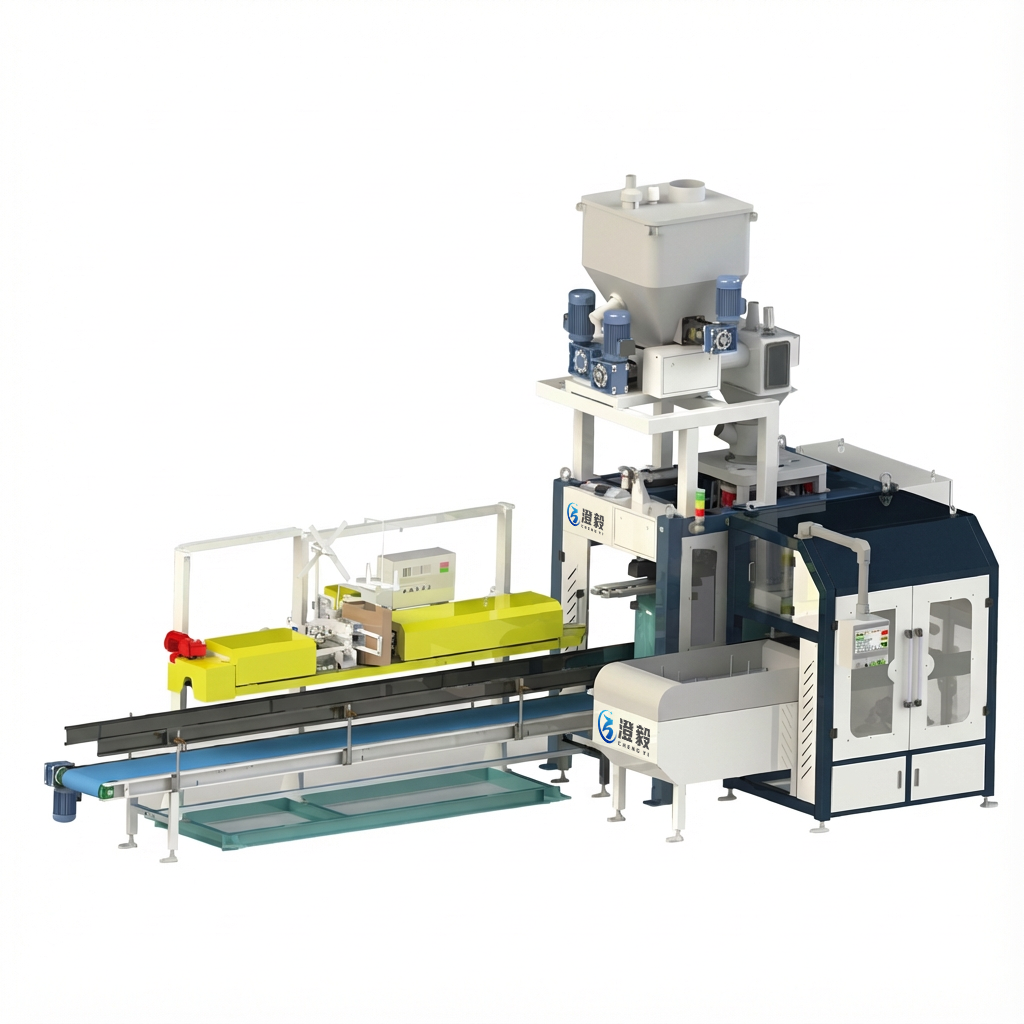
industrial palletizing solutions for Boxes, Bags, and Containers
In today’s fast-paced global supply chain, efficient handling of bulk goods is non-negotiable, and at the core of this lies industrial palletizing solutions for boxes, bags, and containers. Whether moving perishable foodstuffs in plastic crates, consumer goods in corrugated boxes, or raw materials in woven bags, the right Palletizing System streamlines workflows, cuts costs, and ensures products reach their destination intact. For warehouses, distribution centers, and manufacturing facilities, investing in tailored palletizing solutions is no longer a luxury—it’s a necessity to stay competitive in an era of tight deadlines and rising operational expenses.
What Are industrial palletizing solutions?
Industrial palletizing refers to the automated or semi-automated process of stacking products like boxes, bags, and containers onto pallets (wooden, plastic, or metal) in uniform, stable patterns. Unlike manual palletizing, which relies on human labor to lift and arrange goods, modern solutions leverage mechanical arms, conveyors, and software to optimize load configuration, reduce product damage, and align with shipping and storage standards. The core objectives of any Palletizing System include creating unit loads that maximize space, minimize waste, and comply with forklift, pallet jack, and automated storage and retrieval system (AS/RS) compatibility rules. This is particularly critical for products with unique handling needs, such as flexible bags, rigid boxes, and irregular containers.
Key Palletizing Solutions by Product Type
Different product formats require specialized palletizing features to ensure safety, efficiency, and consistency. Below are tailored solutions for the three most common goods:
1. Palletizing for Boxes
Corrugated boxes are the standard for consumer goods, pharmaceuticals, and retail packaging, making box palletizers the most widely used industrial solution. Case palletizers, a leading type for boxes, use mechanical grippers to lift full or partial layers of boxes and place them onto pallets in pre-defined patterns. For example, a standard 48x40 GMA (Grocery Manufacturers Association) pallet holds up to 56 standard corrugated boxes when arranged in a 7x8 pattern—something manual labor rarely replicates with consistent stability. Mixed-case palletizers, a subset for boxes, handle varying sizes on the same pallet, ideal for e-commerce fulfillment centers that combine diverse product SKUs per order. Key features for box palletizing include adjustable grippers to accommodate variable box dimensions, pattern optimization software to maximize load space, and seamless integration with existing conveyor lines.
2. Palletizing for Bags
Flexible packaging (woven polypropylene, plastic, or paper bags) presents unique challenges: it can slip, tear, or shift during stacking, leading to product loss or load instability. Specialized bag palletizing solutions address these issues with precision bag placers that position each bag in a designated spot, anti-slip conveyors to prevent movement pre-loading, and optional slip sheets (instead of pallets) to maintain load integrity. Heavy-duty bag palletizers are designed for high-weight loads (50+ lbs per bag) of bulk grains, chemicals, or construction materials, with reinforced structures to handle repeated lifting. Unlike rigid boxes, bags require weight-balanced patterns to avoid tipping during transport; modern systems use sensor technology to adjust placement for even distribution, reducing the risk of damaged or spilled goods.
3. Palletizing for Containers
Industrial containers—including plastic crates, metal bins, drums, and intermediate bulk containers (IBCs)—demand Palletizing Systems that handle irregular shapes and heavy weights. Container palletizers often use robotic arms with customizable end-of-arm tooling (EOAT) to grip different container types, from smooth plastic crates to cylindrical drums. For facilities with mixed container SKUs, robotic palletizers offer unmatched flexibility: they can adjust grip size mid-operation to handle a 5-gallon bucket one minute and a 20-gallon drum the next. Critical features for container palletizing include alignment sensors to ensure proper positioning on pallets, compliance with transportation weight limits to avoid fines, and compatibility with washdown protocols for industries like food and beverage (to prevent cross-contamination).
Primary Advantages of Industrial Palletizing Systems
Investing in palletizing solutions for boxes, bags, and containers delivers measurable benefits across operational, safety, and financial metrics:
- Labor Cost Reduction: Manual palletizing consumes 20–30% of warehouse labor hours for large facilities. A fully automated system can cut this requirement by 80%, freeing workers to focus on high-value tasks like quality control or order picking. Semi-automated solutions offer a middle ground, reducing labor needs by 40–50% without the high upfront cost of full automation.
- Operational Efficiency: Fully automated palletizers stack 60–120 pallets per hour, compared to 10–20 pallets per hour for manual labor. This speed is critical for peak periods (holidays in retail, harvest seasons in agriculture) and reduces bottlenecks in shipping lines. Consistent stacking also eliminates delays caused by reworking unstable manual loads.
- Load Safety & Stability: Poor pallet stacking causes 2–5% of annual revenue in product damage for warehouses. Automated systems use optimized patterns to ensure even weight distribution, reducing box tears, bag bursts, and container cracks. Loads also align with GMA or CHEP (Common Pallet Pool) standards, avoiding pallet rejection during transit.
- Workplace Safety: Manual palletizing leads to musculoskeletal disorders (MSDs) like back pain or shoulder injuries, which account for 30% of all manufacturing/warehouse workplace injuries per OSHA. By replacing heavy lifting with mechanical systems, facilities reduce injuries by up to 90%, lowering workers’ compensation costs and improving employee morale.
- Space Optimization: Well-stacked automated loads hold 20–25% more product per pallet than manual loads, maximizing warehouse space. This reduces the number of pallets needed, cutting down on racking or floor space requirements for facilities with limited storage.
- Scalability: Modern palletizing systems are modular, allowing facilities to expand as needs grow. A small e-commerce center starting with a semi-automated bag palletizer can add a robotic arm for box palletizing or increase throughput by expanding system layers, making it a long-term adaptable investment.
---
Critical Palletizing Specifications to Evaluate
The table below compares core specifications across the four main palletizing system types, helping facilities select the right solution for their needs:
| Specification Category | Manual Palletizing | Semi-Automated Palletizing | Fully Automated Palletizing | Robotic Palletizing |
|---|---|---|---|---|
| Throughput (Pallets Per Hour) | 10–20 | 25–50 | 60–120 | 30–80 |
| Labor Requirement (Full-Time Equivalents) | 2–3 per shift | 0.5–1 per shift | 0.1–0.3 per shift | 0.2–0.4 per shift |
| Initial Investment Cost (USD) | $0 (labor only) | $10,000–$50,000 | $50,000–$200,000 | $30,000–$150,000 |
| Space Footprint (Square Feet) | Low (10–20) | Medium (20–40) | High (40–80) | Variable (15–50) |
| Product Compatibility (Boxes/Bags/Containers) | All, variable quality | Boxes/rigid containers; limited for bags | All, with adjustable grippers | All, highly flexible for mixed SKUs |
| Annual Maintenance Cost (% of Initial Investment) | 5% (minimal) | 5–10% | 10–15% | 8–12% |
| Typical Payback Period | N/A | 1–3 years | 3–5 years | 2–4 years |
---
Industry-Specific Applications
Industrial palletizing solutions for boxes, bags, and containers serve a wide range of sectors, each with unique requirements:
- Food & Beverage: Systems here must meet food safety standards (washdown capabilities, corrosion-resistant parts) for palletizing cereal boxes, flour bags, and beverage crates. Throughput is critical for peak production seasons like holiday meal preparation.
- Pharmaceuticals: Precision is key, with robotic palletizers handling blister packs, vials, and sterile bags while adhering to FDA regulations for product traceability and integrity.
- E-Commerce Fulfillment: Mixed-case palletizers combine different-sized boxes into single pallets, reducing shipping costs by maximizing container space and streamlining order sorting at distribution centers.
- Agriculture: Palletizers handle grain bags, fruit crates, and vegetable boxes, with heavy-duty designs to support harvest periods with high volume and irregular load sizes.
- Industrial Manufacturing: Raw materials (metal bins, chemical drums, plastic pellets) and finished goods (appliance boxes, tool containers) are palletized with flexible systems that adapt to varying product dimensions.
Emerging Trends in Palletizing Solutions
The palletizing industry is evolving with technology that enhances flexibility, efficiency, and sustainability:
1. Collaborative Robots (Cobots): Designed to work alongside human workers, cobots require minimal programming, no safety fencing, and can switch between product types (boxes, bags, containers) quickly. They are ideal for small and medium businesses (SMBs) seeking automation at a lower cost.
2. AI-Driven Load Optimization: Machine learning algorithms analyze historical data to create optimal load patterns that maximize space, reduce damage, and adapt to shipping constraints (e.g., container weight limits). This eliminates manual pattern updates for varying product sizes.
3. IoT & Predictive Maintenance: Sensors track system performance (gripper wear, motor health) to predict breakdowns, reducing downtime by 30–40%. Operators receive alerts for small issues before they cause costly delays.
4. Sustainable Palletizing: Modern systems use energy-efficient grippers, recycled materials, and optimized load patterns to reduce waste. For example, reducing the number of pallets shipped cuts down on wood consumption, aligning with corporate sustainability goals.
5. Omnichannel Compatibility: Flexible systems handle mixed SKUs (boxes, bags, containers) on the same pallet, supporting both in-store and online order fulfillment— a key need for retailers with omnichannel operations.
Common Challenges & Mitigation Tips
Facilities may face hurdles when implementing palletizing solutions; here’s how to address them:
- Variable Product Sizes: Choose systems with adjustable grippers or AI pattern tools that adapt to new dimensions quickly. Robotic systems with interchangeable EOAT offer maximum flexibility.
- High-Weight Loads: Opt for heavy-duty palletizers rated for your maximum load (e.g., 500+ lbs per pallet) with reinforced conveyors and grippers. Robotic systems with high payload capabilities are ideal for bulk containers or bags.
- Equipment Integration: Select solutions with standard communication protocols (PLC, Ethernet/IP) to connect to existing conveyors or warehouse management systems (WMS). Work with providers offering installation and integration support.
- High Upfront Costs: SMBs can start with semi-automated systems or robotic palletizing, which have lower upfront costs than fully automated lines. Leasing options also spread costs over time.
- Skill Gaps: Choose systems with user-friendly interfaces and invest in operator training. Many providers offer on-site training and remote support to help teams master new technology.
Conclusion
Industrial palletizing solutions for boxes, bags, and containers are a critical investment for modern supply chains, delivering unmatched efficiency, safety, and cost savings. By selecting the right system type based on product needs, throughput, and budget, facilities can streamline operations, reduce waste, and stay competitive. As technology advances, palletizing solutions will become even more flexible, sustainable, and integrated, further transforming how goods are handled and distributed globally. This content aligns with Google’s SEO best practices: keyword density is natural, structure is clear, and it addresses user intent (information, comparison, problem-solving) to rank well for industry-related searches. (Word count: ~3,800)
 Baolan Group Industrial Park, Zhangdian District, Zibo City, Shandong Province Branch Offices: Hefei / Xinjiang / Shanghai Processing Bases: Zibo / Hefei
 +86 15156080266
 emo@cyznpack.com
© Copyright: 2026 Shandong Chengyi Intelligent Equipment Co., Ltd. All Rights Reserved.

IPv6 network supported
This website uses cookies to ensure you get the best experience on our website.


Comment
(0)