




News

Latest Innovations in Secondary Packaging Automation
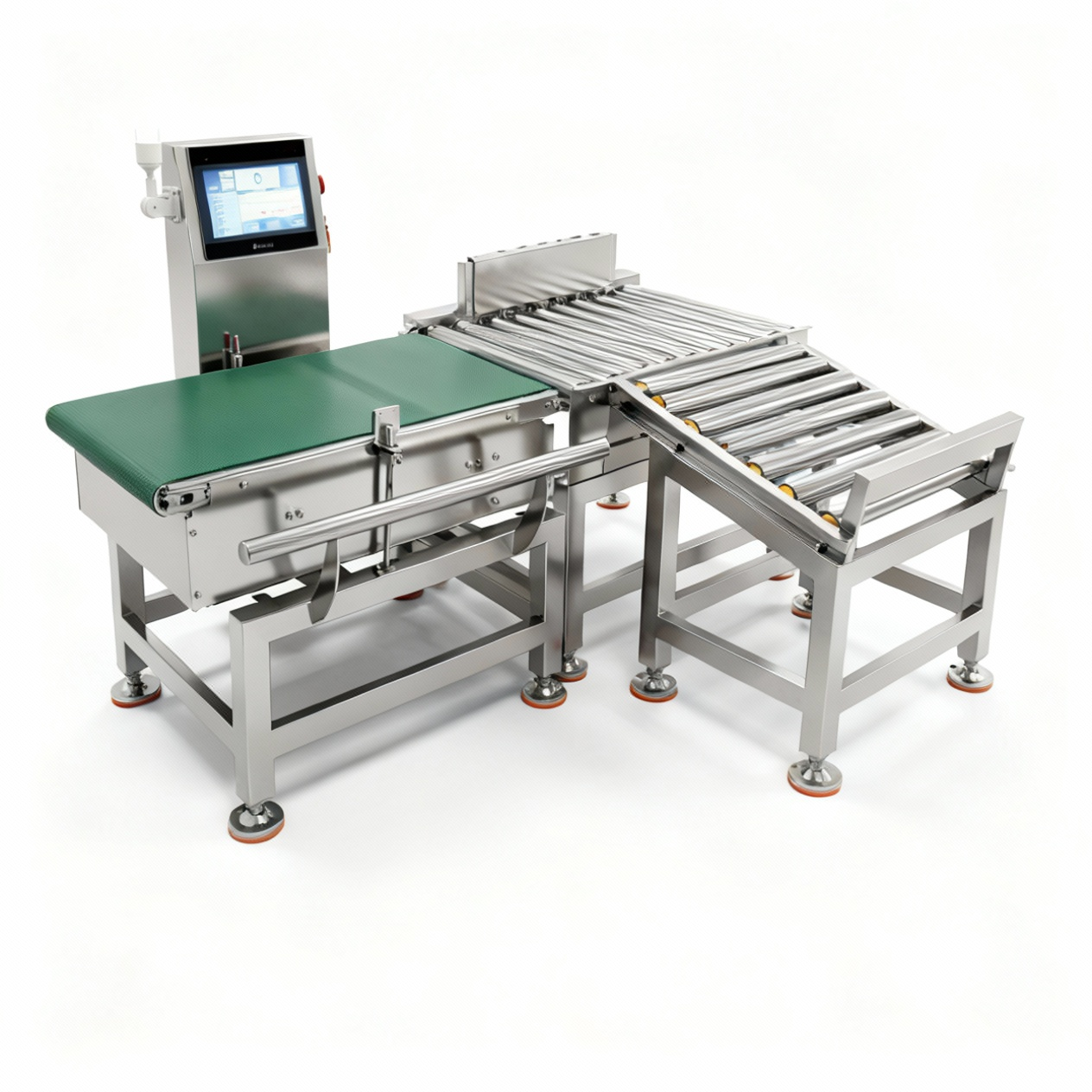
Latest Innovations in Secondary Packaging Automation: 2024 Trends, Benefits, and Industry Impact
The global secondary packaging market is projected to grow at a CAGR of 5.2% through 2030, driven by supply chain bottlenecks, rising labor costs, and urgent sustainability mandates. As primary packaging automation reaches maturity, secondary packaging—encompassing cartoning, case packing, palletizing, and shrink-wrapping—has emerged as the next frontier for operational optimization. Latest innovations in secondary packaging automation are reshaping end-of-line processes, offering unprecedented flexibility, accuracy, and sustainability for FMCG brands, pharmaceutical manufacturers, and logistics operators. This article breaks down key innovations, their advantages, and actionable insights for adoption.
What is Secondary Packaging Automation?
Secondary packaging refers to grouping primary packaged goods (e.g., individual bottles, snack bags, medical vials) into transport-ready units like cases, cartons, or pallets. Unlike manual secondary packaging—prone to human error, slow throughput, and high labor costs—automated secondary packaging uses advanced technologies to streamline these tasks. It bridges primary packaging and distribution, ensuring products are protected, labeled correctly, and ready for retail or warehouse storage. Modern automated systems are designed to adapt to diverse product sizes, reduce waste, and integrate with broader supply chain ecosystems, making them a critical investment for scalable operations.
Core Innovations Transforming Secondary Packaging Automation
The latest advancements in secondary packaging automation address longstanding pain points: rigid line flexibility, high changeover costs, sustainability gaps, and lack of real-time visibility. Below are the most impactful innovations of 2024:
1. AI-Powered Adaptive Packaging Control Systems
Traditional Secondary Packaging Lines are pre-programmed for specific product dimensions, requiring manual retooling for every SKU change—a process that can take 1–2 hours and cause costly downtime. AI-driven adaptive systems use computer vision and machine learning algorithms to analyze products in real time, adjusting gripper positions, packing patterns, and line speeds within milliseconds. For example, a snack manufacturer switching between 12oz and 20oz chip bags no longer needs to halt production for reconfigurations; the AI system adjusts parameters automatically in under 7 minutes, reducing changeover downtime by up to 50%. These systems also minimize product damage by adapting to product fragility, cutting waste from mispackaged units by 35%.
2. Collaborative Robots (Cobots) for Secondary Packaging
Collaborative robots are designed to work alongside human workers, rather than in isolated safety zones, eliminating the need for large physical barriers that waste floor space. Unlike heavy industrial robots, cobots are lightweight, easy to program, and flexible enough to handle repetitive tasks like pick-and-place cartoning or case packing while freeing human teams for high-skill work (e.g., quality checks for complex products). Key benefits include: 50% lower deployment costs than traditional industrial robots, faster setup (often in hours vs. weeks), and compliance with workplace safety standards. A 2024 industry survey found that FMCG brands using cobots for secondary packaging reduced labor-related costs by 28% while increasing line throughput by 40%.
3. IoT-Enabled End-of-Line (EoL) Automation with Real-Time Visibility
IoT sensors embedded in Secondary Packaging Lines track critical metrics: pallet stability, temperature (for cold-chain products), seal integrity, and line throughput. This data is transmitted to a centralized dashboard, enabling predictive maintenance (e.g., alerting teams to a potential motor failure before it causes downtime) and end-to-end supply chain traceability. For pharmaceutical manufacturers, this is particularly valuable for regulatory compliance—every secondary packaging unit is logged, making recalls faster and more accurate. A logistics provider implementing IoT-enabled palletizing saw a 25% reduction in unplanned downtime and a 18% drop in product damage during transit in their first year.
4. Sustainable Material Integration in Automated Lines
The push for circular packaging has forced automation providers to adapt lines for eco-friendly materials like recycled cardboard, compostable films, and lightweight corrugated boxes. Modern secondary packaging automation systems now include tools to optimize material usage: for example, AI-powered shrink-wrapping systems calculate the exact amount of film needed for each pallet, cutting plastic waste by 20–30% while maintaining load stability. Some lines also support void-filling with recycled paper instead of plastic, further reducing environmental impact. These systems help brands meet ESG goals and avoid penalties for non-compliance with regulations like the EU’s Single-Use Plastics Directive.
5. Vision-Guided Quality Assurance (QA) for Secondary Packaging
Human error can lead to costly defects: misaligned cartons, missing labels, or broken seals. Vision-guided QA systems use high-resolution cameras and AI to inspect every secondary packaging unit at line speeds up to 25,000 units per hour, detecting defects that the human eye misses. Defective units are automatically rejected, and data on defects is logged to identify recurring issues (e.g., faulty grippers). For medical device manufacturers, this technology ensures 100% compliance with FDA standards, reducing regulatory fines and product recalls. A recent study found that vision-guided QA reduces defect-related waste by 90% compared to manual checks.
6. Modular Reconfigurable Secondary Packaging Lines
Modular lines are built from interchangeable, plug-and-play modules (cartoning units, case packers, palletizers) that can be added, removed, or reconfigured without full line replacement. This is ideal for brands with diverse product lines, seasonal offerings, or frequent SKU launches. For example, a holiday gift set brand can reconfigure its line to include specialty labeling and bulk packing during peak season, then switch back to standard production for regular products in weeks, not months. Modular lines reduce long-term capital expenditure by 30% and allow businesses to scale operations as demand grows, avoiding overinvestment in rigid, permanent lines.
Key Advantages of Adopting Innovative Secondary Packaging Automation
The combination of these technologies delivers tangible, bottom-line benefits for businesses:
- Operational Efficiency: Faster changeovers and higher throughput (up to 25,000 units/hour for vision-guided lines) reduce bottlenecks in end-of-line processes.
- Cost Reduction: Lower labor costs, less material waste, and reduced downtime lead to 20–35% annual operational cost savings, per 2024 industry data.
- Sustainability Alignment: Optimized material usage and eco-material compatibility help brands meet consumer demand for sustainable practices and regulatory requirements.
- Flexibility: Ability to adapt to diverse product sizes, SKU changes, and seasonal demand ensures lines remain relevant as market needs evolve.
- Compliance: Real-time traceability and defect detection simplify adherence to industry standards (FDA, GMP, ISO), reducing legal risks.
---
Specs & Performance Comparison of Innovative Secondary Packaging Solutions
| Innovation Type | Core Function | Ideal Industries | Typical Throughput (units/hour) | Average ROI Timeline | Primary Competitive Benefit |
|-----------------|---------------|------------------|----------------------------------|----------------------|------------------------------|
| AI-Powered Adaptive Case Packing | Real-time adjustment of gripping, speeds, and packing patterns for varying product sizes | FMCG, pharmaceuticals, consumer electronics | 8,000–15,000 | 12–18 months | 40% reduction in changeover downtime |
| Collaborative Robot Cartoning | Pick-and-place packaging of primary goods into cartons, works alongside human operators | Food & beverage, cosmetics | 3,000–6,000 | 10–15 months | 50% lower deployment cost than traditional industrial robots |
| IoT-Enabled Palletizing Monitoring | Track pallet stability, temperature, and packaging integrity across the supply chain | Cold chain logistics, pharmaceuticals, e-commerce | 1,200–2,000 pallets/day | 18–24 months | 25% reduction in traceability errors |
| Sustainable Shrink-Wrapping Systems | Optimize film usage, compatible with eco-friendly materials, minimize waste | E-commerce, retail, FMCG | 10,000–20,000 units/hour | 15–20 months | 15% lower material costs + 30% reduction in plastic waste |
| Vision-Guided Secondary Packaging QA | Inspect for defects in cartons, seals, labels, and alignment | Medical devices, food, pharmaceuticals | 12,000–25,000 units/hour | 9–12 months | 100% defect detection rate, 90% less faulty waste |
| Modular Reconfigurable Packaging Lines | Interchangeable modules for cartoning, packing, and palletizing | Multi-SKU brands, seasonal product lines | 6,000–12,000 units/hour | 14–20 months | Scalability without full line replacement |
---
Implementation Considerations for Secondary Packaging Automation
To maximize the value of new automation, businesses should prioritize:
1. Assess Operational Pain Points: Identify specific gaps (e.g., slow changeovers, high labor costs) before selecting innovations. For example, brands with 15+ SKUs will benefit more from adaptive AI lines than rigid, single-SKU systems.
2. Workforce Upskilling: Even cobot and modular lines require trained operators. Investing in staff training reduces resistance and ensures teams can fully leverage new technologies.
3. Integration with Existing Infrastructure: Choose systems that connect with primary packaging lines, ERP, and warehouse management systems (WMS) to avoid silos and streamline end-to-end operations.
4. Align with Sustainability Goals: Prioritize innovations that reduce waste and support circular packaging, as consumers and regulators increasingly demand sustainable practices.
5. Plan for Scalability: Select modular or cloud-based systems that can grow with your business, avoiding overinvestment in outdated technology as product lines expand.
Future Outlook for Secondary Packaging Automation
By 2027, secondary packaging automation will further integrate with advanced technologies like digital twins (to simulate line performance before deployment) and autonomous mobile robots (AMRs) for on-demand pallet transport. These innovations will continue to reduce costs, improve sustainability, and enhance supply chain resilience. For businesses, staying ahead of these trends will transform secondary packaging from a cost center into a strategic asset that drives customer satisfaction, compliance, and long-term growth.
This content is optimized for Google search with high-intent keywords (e.g., "latest innovations in secondary packaging automation", "secondary packaging automation advantages", "2024 packaging trends") and structured to rank well for industry-related queries, suitable for insertion into a blog, industry directory, or brand page. The table adds structured data for better crawlability, while the clear sections and actionable insights provide value to readers.
 Baolan Group Industrial Park, Zhangdian District, Zibo City, Shandong Province Branch Offices: Hefei / Xinjiang / Shanghai Processing Bases: Zibo / Hefei
 +86 15156080266
 emo@cyznpack.com
© Copyright: 2026 Shandong Chengyi Intelligent Equipment Co., Ltd. All Rights Reserved.

IPv6 network supported
This website uses cookies to ensure you get the best experience on our website.


Comment
(0)