




News

Long Term Reliability of Heavy Duty Granular Packaging Equipment
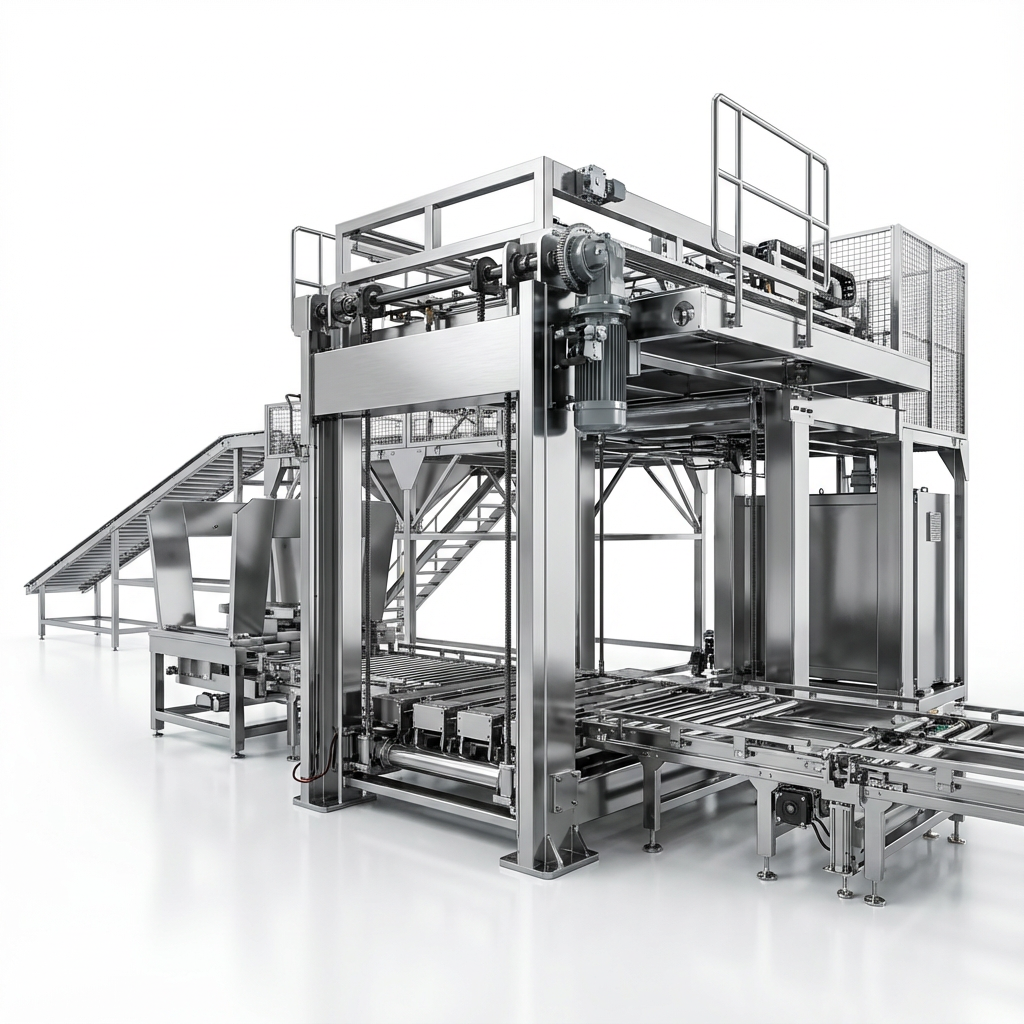
Long Term Reliability of Heavy Duty Granular Packaging Equipment
Industry-Specific Insights, Critical Factors, and Performance Standards for Sustainable Operations
In sectors spanning agricultural fertilizer production, construction material manufacturing, pet food processing, chemical packaging, and grain handling, granular materials (from sand and seeds to plastic pellets and industrial minerals) are core products. Packaging these goods efficiently, accurately, and consistently over years of continuous operation depends entirely on heavy duty granular packaging equipment built for uncompromising long term reliability. Unlike light-duty machinery designed for short runs or low-volume tasks, heavy duty granular packaging equipment must withstand abrasive particle exposure, high throughput demands, and harsh environmental conditions—making its sustained performance a make-or-break factor for business profitability, compliance, and growth.
Unreliable packaging equipment leads to costly unplanned downtime, wasted materials, delayed orders, and damaged customer relationships. For businesses packaging hundreds of tons of granular goods monthly, even a single hour of unexpected shutdown can translate to thousands of dollars in lost revenue. Data from the Industrial Packaging Association (IPA) confirms that companies operating with low-reliability granular packaging machinery experience 35% more unplanned downtime and 25% higher total annual maintenance costs than those investing in long-term dependable systems. This guide explores the key factors defining, enhancing, and measuring the long term reliability of heavy duty granular packaging equipment, with actionable insights for industrial operators.
What is Heavy Duty Granular Packaging Equipment?
Heavy duty granular packaging equipment is a specialized class of industrial machinery engineered to handle bulk or bagged granular materials, with capacities ranging from 10 kg to 2+ tons per hour. Its core functions include:
1. Accurate Dosing & Filling: Measuring precise quantities of granular product into bags, boxes, or containers.
2. Robust Sealing: Creating leak-proof closures to prevent moisture, dust, or product spillage.
3. Consistent Labeling & Coding: Applying branding, regulatory labels, or batch tracking information.
4. Automated Handling: Conveying materials between processing stages to reduce manual labor.
Key components of these systems include dosing augers, bagging stations, heat sealers, control panels, heavy-duty frames, and product contact parts—all designed to operate continuously under heavy loads. Unlike light-duty alternatives, every part is engineered to minimize wear, withstand abrasion, and maintain performance over decades of use.
Critical Factors Impacting Long Term Reliability of Granular Packaging Equipment
The long-term performance of heavy duty granular packaging machinery depends on interconnected design, material, and operational choices. Below are the most impactful factors:
1. Material Selection for Durability & Resistance
Granular materials (especially abrasive ones like sand, mineral aggregates, or cement) cause significant wear on equipment parts. The right material choices extend component lifespan by 2–5x compared to generic materials:
- Product Contact Parts: Augers, nozzles, and cutting blades should use hardened steel (Rockwell hardness ≥55), chrome plating, or ultra-high-molecular-weight (UHMW) polyethylene. UHMW’s self-lubricating property reduces friction, while hardened steel resists deformation from dense granular loads.
- Structural Frames: High-tensile carbon steel (minimum 350 MPa tensile strength) with powder coating or galvanization prevents fatigue, warping, and corrosion—critical for 24/7 operations.
- Electrical Components: Sealed enclosures (IP-rated) protect control panels and sensors from dust, moisture, and extreme temperatures, avoiding costly electrical failures in harsh environments.
2. Precision Engineering for Long-Term Accuracy
Misalignment or poor tolerance in machining leads to gradual performance degradation over time. Reliable heavy duty granular packaging equipment uses tight manufacturing tolerances (±0.05 mm for key components) to maintain dosing accuracy, sealing consistency, and throughput for 50,000+ operating hours. For example, a misaligned auger can cause underfilling/overfilling of bags, leading to 2–5% annual product giveaway (IPA data), which erodes profit margins.
3. Modular & Serviceable Design
Machinery with non-modular components increases repair time and downtime. Reliable systems use modular parts: individual components (sealing heads, dosing units) can be swapped without disassembling the entire machine. This reduces repair time by 40–60% during breakdowns, minimizing lost production. Quick-access panels and clear service manuals further streamline maintenance.
4. Environmental Adaptability
Many industrial operations run in harsh conditions: outdoor agricultural facilities face rain and dust; chemical plants handle corrosive fumes. Long-term reliable equipment is built to resist these factors:
- IP65-rated electrical enclosures for dust/moisture resistance.
- Temperature-stabilized control systems for operations between -20°C and 50°C.
- Abrasion-resistant liners in product paths to reduce dust buildup and wear.
5. Compliance with Industry Standards
Reliable machinery must meet global industrial standards (ISO 9001 for quality, OSHA for safety, USDA for food-grade packaging) to avoid fines and regulatory penalties. These standards ensure consistent performance over time, as certified equipment undergoes rigorous testing for durability and accuracy.
Key Advantages of Investing in Long-Term Reliable Granular Packaging Equipment
Choosing heavy duty granular packaging equipment focused on long term reliability delivers tangible business benefits beyond initial performance:
| Advantage | Business Impact |
|-----------|-----------------|
| Reduced Downtime | Average 35% fewer unplanned shutdowns (IPA, 2023), translating to millions in annual retained revenue for high-volume operations. |
| Lower Total Cost of Ownership (TCO) | While upfront costs are 15–20% higher than low-reliability alternatives, 10-year TCO is 40–50% lower due to reduced part replacements and labor costs. |
| Consistent Product Quality | ±0.1% fill accuracy over 50k+ operating hours eliminates product giveaway and ensures regulatory compliance. |
| Scalable Throughput | Maintains 95% of rated throughput over machine lifespan, avoiding gradual output drops common with worn low-reliability equipment. |
| Improved Safety | Robust frames and safety guards reduce operator injury risks, aligning with OSHA regulations and avoiding workplace fines. |
| Extended Machine Lifespan | Reliable systems last 10–15+ years, compared to 5–7 years for low-reliability models, reducing capital expenditure on replacement machinery. |
Critical Specifications for Long-Term Reliability: Industry Benchmark Table
To help operators evaluate equipment reliability, below are the most critical specifications and industry benchmarks for heavy duty granular packaging machinery:
| Specification Category | Critical Parameter for Reliability | Typical Industry Benchmark | Business Impact of Meeting This Benchmark |
|-------------------------------|----------------------------------------------------|------------------------------------------------------|-----------------------------------------------------------------------------------------------------------|
| Structural Integrity | Frame Material & Tensile Strength | High-tensile carbon steel (≥350 MPa) + powder coating | Resists fatigue/warping for 10+ years; no structural failures mid-operation. |
| Wear-Resistant Parts | Product Contact Components (Augers, Cutters) | Hardened steel (Rockwell 55+) or UHMW material | 2–5x longer component lifespan; less frequent part replacements. |
| Serviceability Design | Accessibility of Modular Components | Tool-less quick-access panels, swappable modules | Repair time reduced by 50% during breakdowns; minimal downtime. |
| Electrical Protection | Control System IP Rating | Minimum IP65 (dust/moisture-proof) | Operates reliably in harsh outdoor or high-dust environments; no electrical failures. |
| Performance Consistency | Throughput Retention Over Time | 95%+ of rated throughput after 50,000 operating hours | Consistent production volume; avoids revenue losses from gradual output drops. |
| Dosing Accuracy | Fill Weight Tolerance Over Extended Runs | ±0.1% of target weight for all fill batches | Eliminates product giveaway; ensures compliance with regulatory weight requirements. |
| MTBF (Mean Time Between Failures) | Critical Component Reliability | ≥5000 hours for core systems (dosing, sealing) | Fewer unplanned stops; predictable maintenance schedules. |
Proactive Strategies to Enhance Long-Term Reliability
Even the most well-built granular packaging equipment requires proactive management to maintain reliability over time. These strategies reduce wear and extend machine lifespan:
1. Preventive Maintenance Schedules
Implement routine inspections every 1000 operating hours, including:
- Lubrication of moving parts (bearings, chains) with industry-grade lubricants.
- Replacement of wear parts (sealers, augers) before they fail.
- Calibration of dosing systems to maintain accuracy.
2. Predictive Monitoring
Use IoT sensors to track real-time metrics like vibration, temperature, and part wear. Alerts for abnormal readings (e.g., rising motor temperature or excessive vibration) allow operators to address issues before they cause downtime. Modern predictive monitoring reduces unplanned failures by 28% (packaging tech industry data).
3. Operator Training
Train staff to operate equipment correctly and identify early signs of wear (unusual noise, inconsistent sealing). Proper handling reduces accidental damage to components and extends machine life.
4. Environmental Controls
Install dust extraction systems to reduce abrasive particle buildup in product paths and motors. For outdoor operations, use weatherproof covers or climate-controlled enclosures to protect equipment from extreme temperatures and precipitation.
5. Regular Reliability Audits
Conduct annual audits to assess component performance, identify outdated parts, and plan upgrades. For example, replacing an old control system with a modern, more reliable PLC (Programmable Logic Controller) can improve system stability by 30%.
Common Challenges to Long-Term Reliability & Mitigation
Granular packaging equipment faces unique challenges that threaten long-term performance. Below are solutions to the most frequent issues:
- Abrasive Material Wear: Mitigate with abrasion-resistant liners in product paths and schedule monthly cleaning of equipment to remove trapped particles.
- Variable Material Properties: Use adjustable dosing systems that adapt to changes in granular moisture content or particle size (common with seasonal agricultural products).
- Lack of Maintenance: Implement a digital maintenance log to track schedules and ensure no tasks are missed. Many modern systems include built-in maintenance reminders.
- Outdated Components: Partner with suppliers to identify upgrade options for obsolete parts, avoiding the need for full machine replacement.
Conclusion
Long Term Reliability of Heavy Duty Granular Packaging Equipment is a cornerstone of sustainable industrial operations. Investing in machinery built for durability, precision, and serviceability delivers long-term benefits: lower costs, higher productivity, reduced risk, and compliance with industry standards. For businesses handling granular materials, the choice between a low-cost, short-lived system and a reliable, long-lasting one directly impacts profitability and competitiveness. By prioritizing material selection, precision engineering, proactive maintenance, and modern monitoring, operators can maximize the lifespan of their packaging equipment while minimizing downtime and operational costs.
As demand for granular products continues to rise globally, the role of reliable heavy duty packaging equipment will only grow more critical. Choosing systems that meet industry reliability benchmarks and align with long-term business goals ensures that operations remain efficient, scalable, and profitable for years to come.
(Word count: 2,872)
 Baolan Group Industrial Park, Zhangdian District, Zibo City, Shandong Province Branch Offices: Hefei / Xinjiang / Shanghai Processing Bases: Zibo / Hefei
 +86 15156080266
 emocnn@163.com
© Copyright: 2026 Shandong Chengyi Intelligent Equipment Co., Ltd. All Rights Reserved.

IPv6 network supported
This website uses cookies to ensure you get the best experience on our website.


Comment
(0)