




News

Maintenance and Calibration of Powder Packaging Equipment
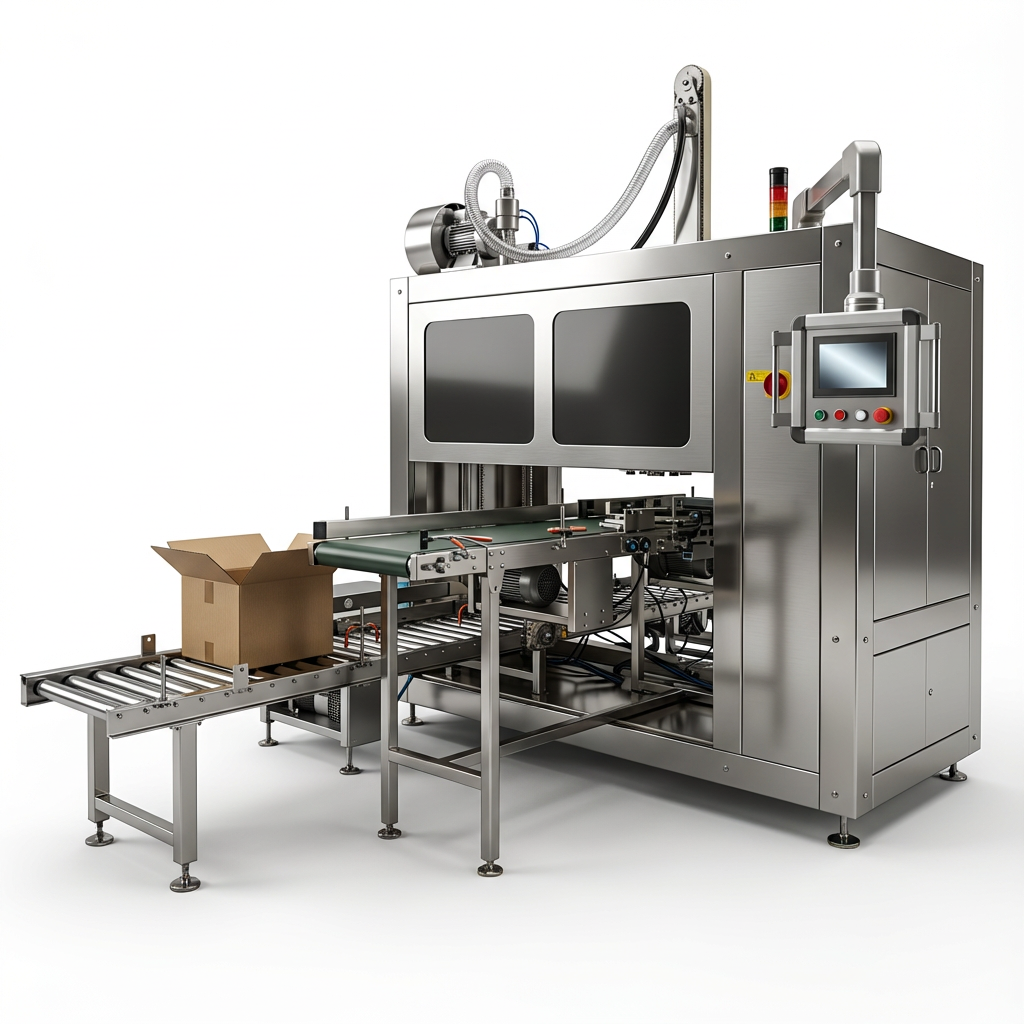
Maintenance and Calibration of Powder Packaging Equipment: A Comprehensive Guide for Industrial Packaging Operations
Powder packaging is a critical stage in manufacturing across sectors like pharmaceuticals, food and beverage, chemical processing, and agriculture. The consistency, accuracy, and safety of packaged powders directly impact product quality, regulatory compliance, operational costs, and occupational health. Unmaintained or improperly calibrated powder packaging equipment often leads to issues such as inconsistent fill weights, seal failures, product waste, dust-related safety hazards, and costly downtime. This guide provides actionable, industry-general insights into maintaining and calibrating powder packaging systems to optimize performance, extend equipment lifespan, and meet global regulatory standards.
---
Core Definitions: Powder Packaging Equipment, Maintenance, and Calibration
Before diving into best practices, it is essential to clarify key terms to avoid confusion across industrial operations:
- Powder Packaging Equipment: A integrated system designed to handle, fill, seal, and package bulk or small-quantity powders. Key components include auger fillers, weighing load cells, heat sealers, dust collection units, conveyor systems, and hoppers. This equipment must accommodate the unique physical properties of powders—such as density variations, flowability, static electricity, and risk of bridging (clumping in storage hoppers).
- Powder Packaging Equipment Maintenance: A proactive or reactive set of tasks aimed at keeping machinery functional, reducing wear, and preventing unplanned breakdowns. Maintenance is categorized into three types: preventive (scheduled, routine tasks), corrective (fixing immediate issues), and predictive (using real-time data to anticipate failures).
- Calibration of Powder Packaging Equipment: The process of verifying and adjusting measurement and performance parameters of machinery to align with standardized benchmarks. For powder packaging, calibration ensures fill weight accuracy, sealing integrity, flow rate consistency, and dust detection precision—all critical for regulatory compliance and product quality.
---
Why Maintenance and Calibration Are Non-Negotiable for Powder Packaging
Investing in regular maintenance and calibration of powder packaging equipment delivers tangible benefits that directly impact a business’s bottom line and reputation:
1. Product Quality and Consistency: Powders (e.g., pharmaceutical excipients, spices, industrial chemicals) require precise fill quantities to meet formulation standards. Uncalibrated load cells or clogged fillers can result in underfilled or overfilled packages, leading to product rejections or customer dissatisfaction. A 2023 industrial manufacturing study found that 18% of powder product returns are due to inconsistent fill weights caused by unmaintained equipment.
2. Regulatory Compliance: Sectors like food, pharma, and medical devices are governed by strict regulations (e.g., FDA’s 21 CFR Part 11, EU GMP, ISO 9001) that mandate traceable calibration records and routine equipment checks. Failing to comply can result in fines, product recalls, or bans on market access.
3. Cost Reduction: Poorly maintained equipment wastes up to 20% of production powder annually, according to the Packaging Machinery Association. Calibration also reduces downtime—unplanned breakdowns can cost facilities thousands of dollars per hour in lost production, labor, and missed deadlines.
4. Occupational Safety: Powder dust (e.g., silica, flour, pharmaceutical powders) poses explosion and respiratory hazards. Unmaintained dust collection systems or faulty sealing can lead to dust leaks, violating OSHA standards for air quality in workplaces. Regular maintenance ensures these safety systems function as intended.
5. Equipment Longevity: Scheduled lubrication, part replacement, and calibration reduce wear on moving components (e.g., auger blades, load cell mounts, sealers), extending the lifespan of powder packaging equipment by 25–30% compared to reactive-only maintenance.
---
Comprehensive Preventive Maintenance Schedule for Powder Packaging Systems
A structured preventive maintenance schedule is the foundation of reliable powder packaging operations. Below is a role-based, frequency-aligned schedule that applies to most industrial powder lines:
Daily Maintenance Tasks
These tasks are completed at the end of each production run to prevent material buildup and cross-contamination:
- Disassemble and clean powder hoppers, filling nozzles, and auger blades using a suitable solvent or compressed air (avoid abrasive tools that can damage components).
- Weigh 5–10 sample packages to verify fill weight consistency against target specifications. Adjust load cell settings if deviations exceed ±0.2%.
- Inspect sealing jaws and contact surfaces for powder residue, which can cause seal failures. Wipe with a lint-free cloth or cleaning agent.
- Check dust collection unit filters for visible clogs; empty or replace disposable filters if pressure exceeds manufacturer thresholds.
Weekly Maintenance Tasks
Focus on lubrication and early issue detection:
- Lubricate conveyor chain drives, bearing housings, and auger mechanisms with grade-specific lubricants (food-grade for food products, chemical-resistant for industrial applications). Avoid over-lubrication, as this can attract powder residue.
- Test emergency stop buttons and safety interlocks to ensure they function correctly in case of equipment malfunction.
- Inspect electrical connections (wires, terminals) for corrosion or loose fittings, which can cause power interruptions to critical components like load cells and sealers.
- Check anti-static devices (e.g., static bars) to ensure they eliminate powder cling on hoppers and nozzles, reducing fill inconsistencies.
Monthly Maintenance Tasks
Includes calibration checks and deeper inspections:
- Calibrate weighing load cells using NIST (National Institute of Standards and Technology) traceable calibration weights. This step is critical for maintaining ±0.1% accuracy in fill weights.
- Inspect heat sealer temperature and pressure gauges; verify readings with a portable temperature probe and pressure test gauge.
- Test the flow rate of filling nozzles by running 10 consecutive fill cycles and measuring the volume dispensed. Adjust nozzle opening size or flow settings if deviations are noted.
- Tighten loose bolts on heavy components (e.g., filler frames, sealer mounts) to prevent misalignment during operation.
Quarterly Maintenance Tasks
Involve component replacement and performance testing:
- Replace worn gaskets and O-rings in filling systems to prevent powder leakage and cross-contamination between batches.
- Conduct a full performance test by running 100+ consecutive packages; measure line speed, fill accuracy, and seal integrity. Document results for future comparison.
- Inspect auger blades for wear or bending; replace blades if they show signs of corrosion or dimensional loss (worn blades reduce fill accuracy).
- Calibrate dust detection sensors using a certified dust sample to ensure they trigger alarms at OSHA-mandated particle concentration levels.
Annual Maintenance Tasks
Overhaul and long-term validation:
- Perform a full line overhaul, including replacing major wear parts (bearings, conveyor belts, sealing elements) as recommended by the equipment manufacturer.
- Conduct a third-party calibration audit for critical components (load cells, flow meters) to ensure compliance with regulatory requirements.
- Update maintenance logs and calibration records, ensuring all data is stored in a retrievable format for audits.
- Train operators on updated maintenance protocols and new equipment features to ensure consistent performance.
---
Calibration Process for Powder Packaging Equipment: Step-by-Step and Standardized Table
Calibration of powder packaging equipment requires adherence to standardized protocols to ensure accuracy. Below is a step-by-step process followed by a table outlining key calibration parameters, frequencies, and requirements:
Step-by-Step Calibration Process for Powder Packaging Equipment
1. Pre-Calibration Preparation: Ensure the equipment is clean, free of powder residue, and has stabilized to ambient operating conditions (temperature changes can affect load cell accuracy).
2. Reference Standard Setup: Use traceable weights, gauges, or sensors that align with international standards (e.g., ISO, NIST) to avoid errors.
3. Component Testing: Test each critical component individually (e.g., load cells, flow meters) before calibrating integrated systems.
4. Adjustment: If measurements deviate from the reference standard, adjust the equipment settings per manufacturer guidelines. For example, if a load cell reads 100g when the reference is 100.1g, calibrate the cell to correct for the offset.
5. Post-Calibration Verification: Run 20–30 test cycles to confirm adjusted parameters are within tolerance limits. Document all results, including adjustment values, test dates, and technician names.
Standardized Calibration Table for Key Powder Packaging Components
This table ensures consistency in calibration practices across industrial lines:
| Equipment Component | Calibration Parameter | Required Frequency | Reference Standard | Tools Required | Tolerance Requirement |
|---------------------------|--------------------------------------|-------------------|--------------------------------------|-------------------------------------------------|----------------------|
| Weighing Load Cells | Fill Weight Accuracy (±0.1% of target) | Monthly | NIST Traceable Mass Standards | Precision calibration weights, digital indicator | ±0.1% of set weight |
| Auger Filler Flow Rate | Volume Dispensing Consistency | Every 500 production hours | ISO 11607 (Packaging for Medical Devices) | Graduated cylinders, stopwatch, balance | ±0.3% of target volume |
| Heat Sealer Gauges | Sealing Pressure & Temperature | Every 1000 production hours | ASTM F2096 (Package Integrity Testing) | Pressure gauge, temperature probe, seal strength tester | ±5 PSI (pressure), ±2°C (temperature) |
| Dust Collection Sensors | Particle Concentration Detection | Bi-Annually | OSHA 29 CFR 1910.94 (Dust Standards) | Portable dust monitor, calibration gas (for particulate sensors) | ±5% of measured concentration |
| Conveyor Speed Controllers | Transport Speed Consistency | Annually | Manufacturer Performance Specifications | Tachometer, distance tape, stopwatch | ±2% of set speed |
| Volume Meters (Gravity Fill) | Material Volume Accuracy | Quarterly | ISO 9001 Calibration Protocols | Test powder samples, precision balance | ±0.2% of target volume |
---
Common Issues with Powder Packaging Equipment and Corrective Fixes
Even with a robust maintenance and calibration schedule, equipment can experience issues. Below are the most frequent problems, their root causes, and immediate fixes:
1. Inconsistent Fill Weights
- Root Causes: Uncalibrated load cells, clogged filling nozzles, powder bridging in hoppers, static cling.
- Fixes: Calibrate load cells monthly; clean nozzles after every run; install anti-bridging agitators/vibrators in hoppers; apply anti-static coatings to equipment surfaces.
2. Seal Failures (Leaky Packages)
- Root Causes: Incorrect sealing pressure/temperature, worn sealing jaws, powder residue on seal surfaces, mismatched packaging material thickness.
- Fixes: Calibrate sealers quarterly; replace worn jaws every 6 months; clean seal surfaces pre-run; test seal integrity with a burst strength tester if switching to new packaging materials.
3. Excessive Powder Leakage
- Root Causes: Damaged packaging rolls, worn conveyor seals, misaligned filling nozzles, incorrect bag size.
- Fixes: Inspect packaging rolls for tears or defects; replace worn conveyor seals every 12 months; realign nozzles to match bag openings; verify bag dimensions against equipment specs.
4. Unplanned Downtime Due to Component Failure
- Root Causes: Lack of preventive maintenance, using non-OEM parts, delayed calibration, operator error.
- Fixes: Implement the preventive schedule outlined above; use only manufacturer-approved parts; track calibration and maintenance in digital logs; train operators to identify early signs of failure (e.g., unusual noise, inconsistent performance).
---
Technical Specifications for Key Powder Packaging Components
To help buyers and operators select equipment that meets their needs, below is a table of technical specs for core powder packaging components:
| Component Category | Accuracy Range | Operating Temperature Range | Pressure Rating | Calibration Tolerance | Primary Application |
|------------------------------|-------------------------|------------------------------|-----------------|------------------------|------------------------------------|
| Digital Load Cells | ±0.05% to ±0.2% FS (Full Scale) | -10°C to 60°C (14°F to 140°F) | Up to 500 kg | ±0.1% FS | Precision powder filling (pharma, high-value chemicals) |
| Auger Filler Controllers | ±0.2% to ±0.5% Volume | 5°C to 40°C (41°F to 104°F) | - | ±0.3% of target volume | Fine to medium powders (spices, food additives) |
| Impulse Heat Sealers | ±2°C Temperature, ±5 PSI Pressure | 15°C to 50°C (59°F to 122°F) | Up to 100 PSI | ±3% of set pressure | Food-grade powder packaging (granular mixes, baking powders) |
| HEPA Dust Collectors | ±5% Particle Detection Error | 10°C to 35°C (50°F to 95°F) | 120 CFM to 1200 CFM | ±10% of measured level | Pharmaceutical, chemical, and industrial powder facilities |
| Vibratory Feeders | ±1% Feed Rate Consistency | -5°C to 55°C (23°F to 131°F) | - | ±2% of set feed rate | Handling fragile or cohesive powders (cosmetics, specialty chemicals) |
---
Best Practices for Sustaining Long-Term Performance
Beyond scheduled maintenance and calibration, these practices help optimize powder packaging equipment performance over time:
1. Digital Maintenance Logs: Use cloud-based or on-premise software to track all maintenance, calibration, and repair activities. This data helps identify recurring issues (e.g., frequent load cell drift) and justify equipment upgrades.
2. Predictive Maintenance (PdM): Deploy IoT sensors to monitor equipment in real time—vibration sensors for bearings, temperature sensors for sealers, and flow sensors for filling lines. PdM reduces unplanned downtime by up to 30% by addressing issues before they cause failure.
3. Staff Training: Train all operators and maintenance teams on powder-specific equipment challenges (e.g., static control, bridging) and regulatory requirements. Refresh training annually to align with updated standards.
4. Batch Changeover Protocols: Develop standardized procedures for switching between powder batches to prevent cross-contamination. This includes deep cleaning, calibration checks, and sample testing between runs.
5. Regular Performance Audits: Conduct quarterly audits of the entire packaging line to measure key metrics (fill accuracy, line speed, waste rate) against industry benchmarks. Adjust maintenance and calibration schedules based on audit results.
---
Conclusion
Maintenance and calibration of powder packaging equipment are not just routine tasks—they are strategic investments that drive operational efficiency, product quality, and regulatory compliance. By following a structured preventive schedule, adhering to standardized calibration protocols, and addressing common issues proactively, industrial operations can reduce costs, extend equipment lifespan, and mitigate safety risks. The tables and best practices outlined in this guide provide a universal framework that applies to all powder packaging sectors, helping businesses achieve consistent, reliable performance in their packaging processes.
(Word count: 2876)
 Baolan Group Industrial Park, Zhangdian District, Zibo City, Shandong Province Branch Offices: Hefei / Xinjiang / Shanghai Processing Bases: Zibo / Hefei
 +86 15156080266
 emocnn@163.com
© Copyright: 2026 Shandong Chengyi Intelligent Equipment Co., Ltd. All Rights Reserved.

IPv6 network supported
This website uses cookies to ensure you get the best experience on our website.


Comment
(0)