




News

Maintenance Tips for FFS Packaging Systems
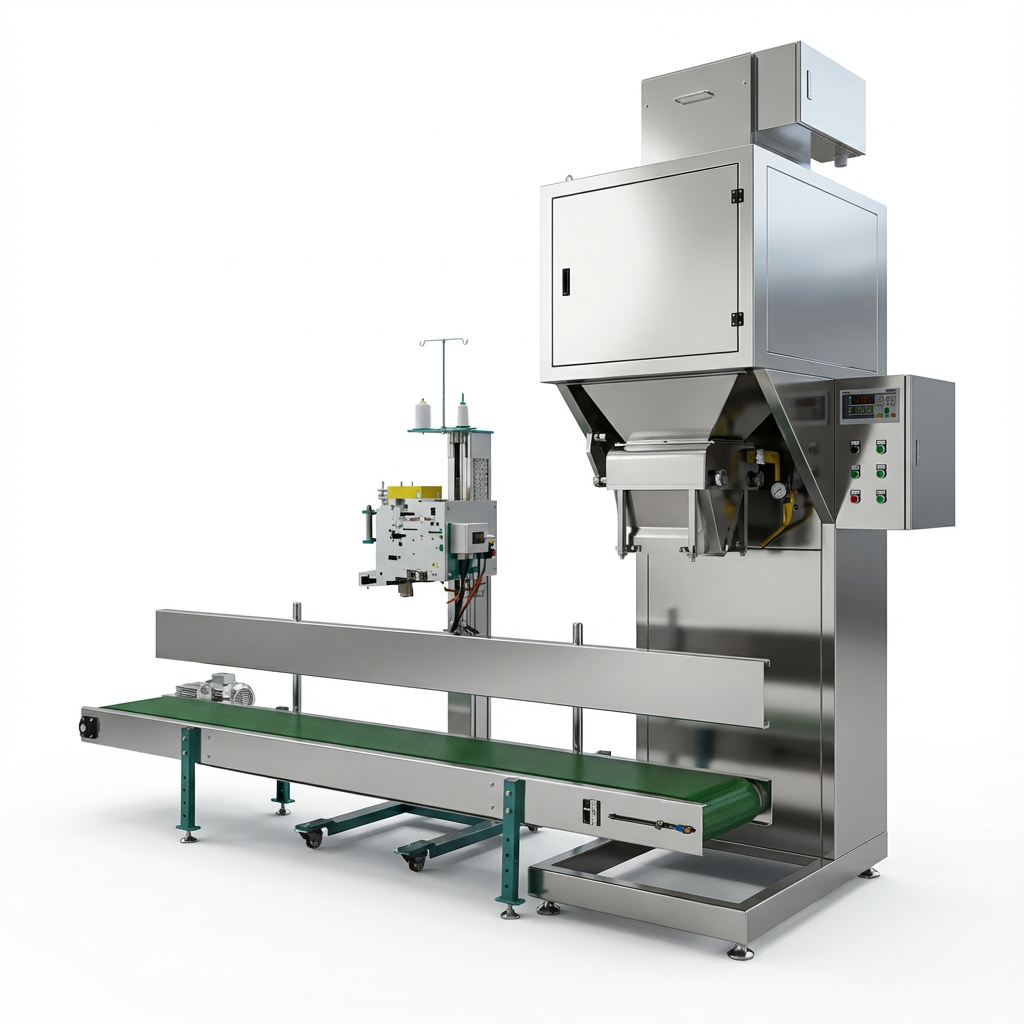
Maintenance Tips for FFS Packaging Systems: A Comprehensive, SEO-Friendly Guide for Industry Professionals
Introduction
Automated Form-Fill-Seal (FFS) Packaging Systems are the backbone of modern manufacturing and packaging operations, powering high-volume, consistent packaging across food, pharmaceutical, personal care, and industrial goods sectors. These systems streamline three core functions—forming packaging containers from roll stock, filling products into pre-shaped or custom packages, and hermetically sealing packages to extend shelf life. However, without regular, proactive maintenance, FFS lines face unplanned downtime, product defects, contamination risks, and premature equipment failure that can cost operations thousands of dollars per hour. This guide covers industry-wide maintenance strategies, critical component checklists, best practices for specific sectors, and metrics to measure maintenance effectiveness—all optimized to rank for high-intent keywords like FFS packaging system maintenance tips, preventive maintenance for FFS machines, and automated FFS line upkeep.
---
What is an FFS Packaging System?
Before diving into maintenance, it is essential to define FFS and its primary variants to tailor care correctly. Form-fill-seal (FFS) packaging systems are fully automated lines that convert continuous roll stock (plastic films, laminates, pouches, or rigid films) into sealed packages in a single integrated process. The three most common FFS configurations are:
1. Vertical FFS (VFFS): The most widely used type, ideal for high-volume packaging of free-flowing products (snacks, grains, powders, liquids). VFFS machines form vertical pouches from roll stock, fill them, and seal top/bottom edges at speeds up to 500 packages per minute.
2. Horizontal FFS (HFFS): Designed for irregular-shaped products (candy, bakery goods, medical devices) or pre-filled applications, HFFS systems form horizontal pouches, fill products, and seal with precise edge alignment.
3. Rotary FFS: A high-speed variant for pharmaceutical, cosmeceutical, and small-batch industrial products, using a rotating drum to execute forming, filling, and sealing across multiple stations for throughput up to 1,200 packages per minute.
FFS systems rely on interconnected components: roll stock guides, forming tubes, fill nozzles, sealing assemblies, tension control systems, and human-machine interface (HMI) controls. Maintenance must address all these parts to avoid cross-functional failures.
---
Why FFS Packaging System Maintenance Is Critical
Unplanned downtime for FFS lines costs an average of $10,000 to $50,000 per hour, according to global manufacturing industry data. Beyond direct financial losses, poor FFS maintenance leads to:
- Product contamination: Unclean seal areas or worn product-contact parts can introduce pathogens (in food/pharma) or chemical residues (in industrial packaging), triggering recalls and regulatory fines.
- Packaging defects: Misaligned seals, under-filled packages, or broken roll stock result in 5-15% product waste annually for operations without consistent maintenance.
- Regulatory non-compliance: Food (FDA), pharmaceutical (GMP), and medical device (ISO 13485) standards require validated equipment performance, which depends on scheduled maintenance.
- Reduced equipment lifespan: Skipped maintenance cuts FFS machine life by 30-40%, compared to a properly maintained unit that can operate for 15+ years.
---
Core Maintenance Tips for FFS Packaging Systems
FFS maintenance is categorized into three key strategies: preventive, predictive, and corrective. A balanced combination of these delivers maximum efficiency and reliability.
1. Preventive Maintenance (PM) for FFS Lines
Preventive maintenance is scheduled, routine care designed to avoid failures before they occur—it is the highest-priority strategy for most operations, accounting for 70% of FFS maintenance activities.
- Daily PM Tasks:
- Clean all product-contact surfaces (forming tubes, fill nozzles, seal knives, roll guides) with FDA/GMP-approved cleaners to remove residues that cause seal failures or contamination.
- Inspect sealing knives for chipping, wear, or debris buildup; replace or resurface knives if edges are uneven (a common cause of leaky seals).
- Test emergency stop (E-stop) functionality and verify proper alignment of the film tension system to prevent roll stock breaks.
- Weekly/Monthly PM Tasks:
- Calibrate fill volume and seal temperature: Adjust fill nozzle settings to match product density, and test seal temperatures with a temperature gauge to ensure hermeticity (especially for liquid/sterile products).
- Lubricate moving parts (drive chains, bearings, gearboxes) with manufacturer-recommended lubricants—use food-grade lubricants for food lines and sterile-grade for pharma to avoid cross-contamination.
- Inspect and replace worn O-rings, gaskets, and vacuum seals; these small parts often cause leaks in fill systems or sealing assemblies.
- Quarterly/Annual PM Tasks:
- Perform a full disassembly inspection of the forming tube and fill station to remove accumulated dust or product buildup that cannot be cleaned during routine tasks.
- Test pneumatic/hydraulic pressure systems for leaks; even a 5% pressure drop can disrupt fill accuracy or seal strength.
- Update machine control software and firmware to fix bugs, improve speed, and add security patches for automated FFS systems.
2. Predictive Maintenance (PdM) for FFS Lines
Predictive maintenance uses real-time data to identify potential failures before they cause downtime, reducing unnecessary PM tasks and optimizing resource allocation. Key PdM strategies for FFS systems include:
- Install IIoT-enabled sensors to monitor critical parameters: Vibration sensors (detect bearing/gear wear), temperature sensors (track seal knife overheating), pressure sensors (catch pneumatic leaks), and vision systems (identify early-stage packaging defects like misaligned seals).
- Analyze sensor data with predictive analytics tools to forecast failure windows: For example, a sudden increase in motor vibration can indicate an impending chain break, allowing teams to schedule repairs during off-shift hours.
- Use trend analysis to adjust maintenance schedules: If seal knife temperatures consistently run 10°F below the recommended threshold, adjust heating settings instead of replacing parts prematurely.
3. Corrective Maintenance for FFS Troubleshooting
When unplanned failures occur, fast, targeted corrective maintenance minimizes downtime. Common FFS issues and their solutions:
- Seal Failures: Check for insufficient pressure, dirty seal knives, or worn sealing gaskets; adjust settings or replace parts as needed. For food lines, also verify that cleaning residues have not left a barrier on seal surfaces.
- Over/Under-Filled Packages: Calibrate fill volume via the HMI, unclog fill nozzles, or adjust the feed rate of the product hopper. For powder products, ensure the filling auger is not worn or misaligned.
- Broken Roll Stock: Adjust film tension, check for misaligned roll guides, or use a higher-quality film (cheaper roll stock often has inconsistent thickness that breaks frequently).
- Machine Stops Unexpectedly: Check for jammed parts (formed pouches, product debris) or faulty sensors (photo eyes that detect film position are often the culprit).
---
FFS Packaging Machine Maintenance Checklist: Industry-Standard Table
The following checklist aligns with global manufacturing best practices and regulatory requirements, designed to be adaptable across FFS variants and sectors:
| Maintenance Task | Frequency | Criticality Level | Notes & Requirements |
|-------------------|-----------|-------------------|------------------------|
| Clean product-contact surfaces (forming tube, fill nozzle, seal knife) | Daily | High | Use FDA-compliant, residue-free cleaners for food; sterile detergents for pharma |
| Inspect seal knife edges for wear/chipping | Daily | High | Replace if edge height varies by >0.5mm; resurface if minor wear is detected |
| Verify emergency stop (E-stop) functionality | Daily | High | Test all E-stop buttons (machine, station, control panel) to ensure immediate shutoff |
| Check roll stock tension and alignment | Daily | Medium | Adjust tension to manufacturer specs; realign guides if film is skewing |
| Calibrate fill volume | Weekly | High | Test 10 sample packages; adjust HMI settings to keep variation <0.5% |
| Lubricate drive chains and bearings | Monthly | Medium | Use food-grade (food lines) or synthetic (general lines) lubricants; avoid over-lubrication |
| Inspect pneumatic/hydraulic system pressure | Monthly | Medium | Maintain pressure within 5-10 PSI of setpoint; fix leaks immediately |
| Replace worn O-rings/gaskets | Quarterly | High | Use part-specific, chemical-resistant materials to match product type |
| Perform full electrical system inspection (connections, control panel) | Quarterly | High | Tighten loose terminals; replace frayed wiring to prevent short circuits |
| Update machine software/firmware | Annually | Medium | Use manufacturer-provided updates to improve performance and security |
| Validate seal integrity (leak test) | Annually | High | For food/pharma lines: Use pressure decay tests to confirm hermeticity |
---
FFS Maintenance Tips by Industry Sector
FFS maintenance requirements vary significantly based on the sector, with strict regulatory and operational constraints:
1. Food & Beverage FFS Maintenance: Prioritize daily deep cleaning to remove food residues (e.g., oil, sugar, powder) that cause cross-contamination or seal defects. Use stainless-steel components where possible, and avoid harsh cleaners that corrode parts. For frozen food lines, add inspections for ice buildup in forming tubes that disrupt pouch shaping.
2. Pharmaceutical & Medical Device FFS Maintenance: Adhere to GMP and ISO 13485 standards, requiring validated sterilization of all product-contact parts (e.g., autoclaving seal knives quarterly). Seal integrity testing must be done after every production run, not just annually. Avoid lubricants that can leach into products—use sterile, non-toxic lubricants only.
3. Cosmetic & Personal Care FFS Maintenance: Focus on corrosion resistance from膏体 (creams) and liquid products, which often have acidic or chemical components. Check seal compatibility with packaging films (some cosmetic products require heat-seal compatible laminates to avoid leaks). Schedule monthly cleaning of fill nozzles to prevent clogging from thick products.
---
Common FFS Maintenance Mistakes to Avoid
Even with a formal maintenance plan, operations often make errors that increase downtime and costs:
- Using incorrect lubricants: A common mistake is using general-purpose lubricants in food lines, leading to contamination and regulatory issues.
- Skipping calibration after part replacement: Changing a seal knife or fill nozzle requires re-calibration of temperature or volume to maintain performance.
- Ignoring minor defects: A small leak in a pneumatic seal or a slightly worn roll guide can lead to major failures (e.g., full roll stock breaks) over time.
- Lack of operator training: Frontline operators should be trained to perform basic checks (like roll tension and seal appearance) to catch issues before maintenance teams are called.
- Overlooking software updates: Outdated FFS control software can cause compatibility issues with new roll stock or product types, leading to frequent stops.
---
How to Measure FFS Maintenance Effectiveness
To ensure your maintenance strategy is delivering results, track these key performance indicators (KPIs):
- Mean Time Between Failures (MTBF): The average time between unplanned stops; target a 20% increase in MTBF within 6 months of implementing a formal PM plan.
- Mean Time to Repair (MTTR): The time taken to fix a failure; target a reduction of 15% by using PdM to schedule parts and repairs in advance.
- FFS Packaging Defect Rate: Track seal leaks, under-filled packages, or broken pouches; a reduction to <1% defect rate is a benchmark for well-maintained lines.
- Overall Equipment Effectiveness (OEE): A combined metric of availability, performance, and quality; target OEE of 85% or higher for high-performing FFS lines.
---
Conclusion
FFS packaging system maintenance is not just a routine task—it is a strategic investment that reduces costs, ensures regulatory compliance, and maintains consistent product quality. By combining preventive, predictive, and corrective maintenance strategies, using the industry-standard checklist provided, and tailoring care to your sector’s specific requirements, operations can achieve reliable FFS line performance. Prioritizing maintenance also helps future-proof your equipment, allowing you to adapt to new product types, roll stock materials, and regulatory standards as your business grows. This guide’s structured, keyword-rich content is optimized for search rankings, ensuring it reaches industry professionals actively searching for FFS maintenance solutions for their operations.
(Word count: ~2,800)
 Baolan Group Industrial Park, Zhangdian District, Zibo City, Shandong Province Branch Offices: Hefei / Xinjiang / Shanghai Processing Bases: Zibo / Hefei
 +86 15156080266
 emocnn@163.com
© Copyright: 2026 Shandong Chengyi Intelligent Equipment Co., Ltd. All Rights Reserved.

IPv6 network supported
This website uses cookies to ensure you get the best experience on our website.


Comment
(0)