




News

Modular Case Packing Systems for Flexible Production Lines
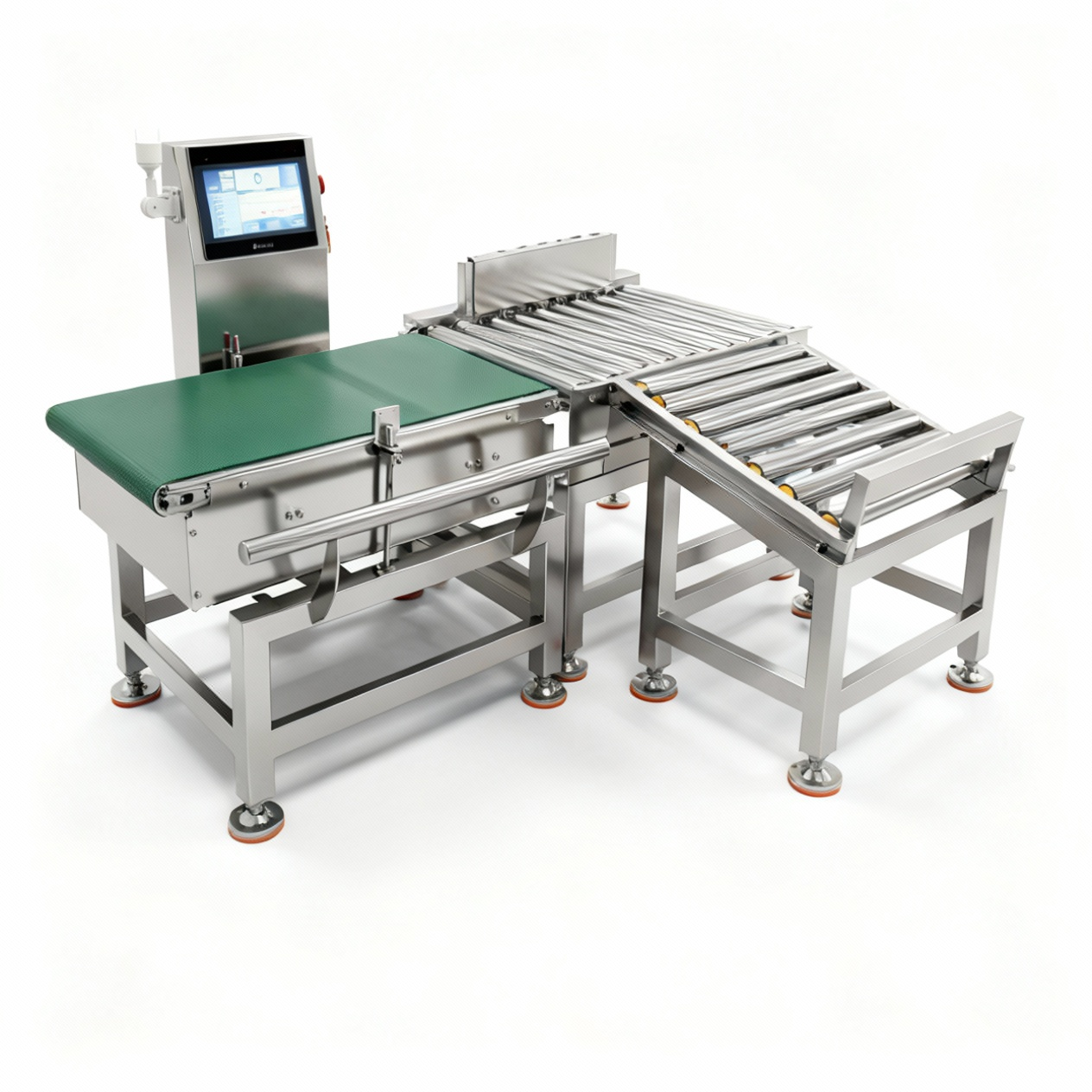
Modular Case Packing Systems for Flexible Production Lines: A Comprehensive Guide for Modern Manufacturing
---
Introduction
Modern manufacturing and packaging environments face unprecedented pressure to adapt quickly to changing consumer demands, product variations, and market fluctuations. Gone are the days of fixed, one-size-fits-all case packing lines that handle only a single product type or size. Enter modular Case Packing Systems for flexible production lines: versatile, scalable, and automated solutions designed to meet the diverse needs of today’s dynamic industries. These systems are the backbone of efficient, agile packaging operations that can switch between product SKUs, adjust to output volumes, and integrate seamlessly with existing production workflows—all while maintaining high productivity and quality standards. For businesses looking to stay competitive in fast-moving sectors like food and beverage, pharmaceuticals, and e-commerce, understanding modular Case Packing Systems is no longer a choice but a necessity. This guide covers definitions, core components, advantages, technical specifications, use cases, and implementation best practices, providing actionable insights for businesses seeking to upgrade their packaging operations.
---
What Are Modular Case Packing Systems for Flexible Production Lines?
Core Definition
Modular case packing systems are automated packaging solutions built from standardized, interchangeable modules that can be configured, reconfigured, and expanded to support multiple packaging tasks and product lines. Unlike traditional fixed case packing lines, which are custom-built for a single product and require extensive downtime for retooling, modular systems allow operators to swap out modules, adjust settings, and switch between product variants in minutes rather than hours. The key differentiator is their flexibility: they can handle a wide range of case sizes, product shapes, and packaging formats (from bottles and cartons to pouches and blister packs) without requiring full line replacement. These systems are engineered to balance performance, adaptability, and cost efficiency, making them ideal for businesses with evolving packaging needs.
How They Differ From Traditional Case Packing Lines
Traditional case packing lines are linear, custom-engineered to fit a specific product or packaging type. For example, a line designed to pack 500ml water bottles into cardboard cases cannot easily adapt to packing 200ml energy drinks or 1L juice cartons—retooling would involve removing entire sections of the line, replacing parts, and recalibrating machinery, leading to hours or even days of downtime. Modular systems, by contrast, use plug-and-play components: if a business needs to add a new product line, it can simply integrate a new module (like an extra infeed station or a specialized case sealing unit) without disrupting the rest of the line. This agility makes them perfect for businesses with frequent product launches, seasonal demand shifts, or multiple SKUs to manage.
---
Core Components of Modular Case Packing Systems
A modular case packing system is composed of interconnected, standardized modules that each perform a specific packaging task. These modules work together seamlessly, with uniform interfaces for easy reconfiguration. Key components include:
Modular Infeed & Product Handling Modules
These modules are the entry point for products into the system, designed to handle varying sizes, shapes, and formats. They feature adjustable conveyors, grippers, and alignment mechanisms, with speed controls and product detection sensors to ensure smooth flow. A single infeed module can be adjusted to move cylindrical bottles, flat cartons, or flexible pouches without manual reconfiguration beyond setting parameters, reducing setup time significantly.
Case Erecting Modules
Case erecting modules fold flat cardboard or corrugated sheets into empty cases, apply bottom seals, and feed cases to the packing station. Modular case erecting units allow for quick size adjustments: switching from a small 12-pack case to a larger 24-pack case takes minutes, as forming plates and suction cups are easily swapped or adjusted. Some advanced modules even support specialty case types, like wrap-around cases or tray-style packaging.
Product Loading Modules
This is the heart of the case packing process, where products are placed into empty cases. Modular loading systems use technologies like robotic arms, pick-and-place mechanisms, or assisted manual stations, all adjustable for different product arrangements (e.g., 2x3, 3x4, or custom patterns). Robotic loading modules are particularly flexible: they can be programmed to handle fragile items like glass vials or delicate food products, and switch between SKUs via software updates instead of physical part swaps.
Case Sealing & Labeling Modules
After loading, these modules apply top/bottom seals, security tapes, or labels with product info, barcodes, or shipping details. Modular sealing units support various tape types (hot-melt, pressure-sensitive) and adjust to case size and speed. Labeling modules handle multiple formats (side, top, bottom) and integrate with the system’s control software for seamless data tracking, critical for compliance in regulated industries.
Palletizing & Conveyance Interfaces
These modules connect the case packing system to upstream/downstream equipment like palletizers, stretch wrappers, or production lines. Modular interfaces allow easy integration with existing conveyor systems and can be reconfigured to adjust pallet sizes, stacking patterns, or output destinations. For example, an interface can switch between standard pallets for retail and specialty pallets for bulk shipping.
Central Control System
The brain of the system is a programmable logic controller (PLC) with a user-friendly human-machine interface (HMI). It manages all modules, lets operators switch product configurations, monitors real-time performance, and tracks metrics like throughput and downtime. Advanced systems support IoT connectivity, integrating with ERP or MES software for end-to-end production visibility and predictive maintenance.
---
Key Advantages of Modular Case Packing Systems Over Traditional Fixed Lines
Modular case packing systems address the limitations of fixed lines, delivering tangible benefits for businesses across all sectors:
Unmatched Flexibility for Product Variability
One of the primary benefits is the ability to handle dozens of product variants with minimal changes. For businesses launching new products or managing multiple SKUs (e.g., a food brand with different flavors, sizes, or packaging formats), this eliminates the need to invest in entirely new lines. A pharmaceutical company producing blister packs and vials, for example, can reconfigure its modular line to handle both, reducing time-to-market for new drugs. Industry data shows modular systems support up to 50+ product variants, compared to 5-10 for fixed lines.
Scalability to Match Production Demand
Modular systems grow with your business. When demand surges (e.g., holiday seasons or product launches), add modules to increase throughput without replacing the entire line. A small e-commerce operation starting with 10 cases per minute can add a second loading module and faster sealer to reach 25 cases per minute as sales grow, avoiding high upfront costs for new equipment.
Reduced Changeover Time & Downtime
Changeover time (time to switch SKUs) is a critical efficiency metric. Traditional lines take 2-8 hours to retool; modular systems cut this to 15-60 minutes, thanks to plug-and-play modules and software adjustments. This reduces downtime by up to 75%, per 2023 industry reports, leading to 10-15% higher annual output and more efficient shift operations.
Lower Total Cost of Ownership (TCO)
While initial investment may be slightly higher than basic fixed lines, long-term TCO is 20-30% lower over 5 years (per Packaging World’s 2024 Modular Packaging Report). Savings come from reduced downtime, lower labor costs for changeovers, no full line replacements, and standardized, easy-to-source parts. For example, a consumer goods company avoids $100k+ in new line costs when expanding its product range.
Improved Overall Equipment Effectiveness (OEE)
OEE (availability, performance, quality) is boosted by modular systems: lower unplanned downtime (standard parts and easy maintenance), higher performance (faster changeovers), and better quality (precision loading reduces damage). Modular lines achieve OEE of 85-95%, vs. 60-75% for fixed lines, reducing waste and improving customer satisfaction.
Compliance With Industry Standards
Regulated sectors like food and pharma need strict traceability and safety. Modular systems can be configured to meet FDA, FSMA, GMP, or CE standards: hygienic modules for food, track-and-trace labeling for pharma, and corrosion-resistant parts for wet processing. Updates to equipment for new regulations are easy, avoiding full line overhauls.
---
Technical Specifications & Selection Criteria
Choosing the right modular system requires aligning specifications with your production needs. The table below outlines key specs, typical ranges, and industry notes to guide selection:
| Specification Category | Typical Range | Industry Notes |
|-------------------------------|----------------------------------------|--------------------------------------------------------------------------------|
| Product Compatibility | Bottle diameters: 20mm–150mm; Case sizes: 100x150x50mm to 600x800x400mm | Supports cylindrical, flat, flexible, irregular products; corrugated/plastic/specialty cases. |
| Throughput Capacity | 5 cases/min to 60 cases/min (standard; up to 100 with high-speed modules) | Varies by product size, loading type, and configuration; fits low-volume custom to high-volume mass production. |
| Changeover Time | 10 mins to 90 mins (full product/case swaps) | Robotic systems use software changes to cut time to 10-30 mins. |
| Modularity Scale | Basic (3-5 modules) to Advanced (10+ modules) | Basic for 5-10 SKUs; advanced for 20+ SKUs or multi-line integration. |
| Power Requirements | 5kW to 30kW (system-wide) | Energy-efficient modules reduce long-term utility costs. |
| Footprint | 20 sqm (small) to 100 sqm (large lines) | Compact modular layouts use less space than equivalent fixed lines. |
| Compliance Certifications | FDA 21 CFR Part 11, FSMA, CE, IP65 | IP65-rated modules are water-resistant for wet environments; hygienic designs for food/pharma. |
| Robotic Payload Capacity | 1kg to 20kg per robotic arm | Critical for heavy products like large beverage containers. |
| Integration Capabilities | PLC/HMI, IoT, ERP/MES compatibility | Enables real-time monitoring, predictive maintenance, and factory-wide data sharing. |
---
Use Cases Across Key Industries
Food & Beverage
The largest adopter of modular case packing, due to diverse product sizes and strict safety rules. A craft brewery can switch from 6-packs in summer to 12-packs in winter with minimal downtime. Hygienic stainless steel modules meet FDA standards, and the system adapts to seasonal packaging like holiday-themed snack packs. Reduced product damage (less than 1% vs. 5% for fixed lines) improves revenue and reduces waste.
Pharmaceuticals & Medical Devices
Modular systems here support delicate products like glass vials and blister packs, with built-in track-and-trace labeling for compliance. A vaccine manufacturer can reconfigure its line for different vial sizes without halting production, adhering to GMP requirements. Low changeover time is critical for frequent batch changes and new drug launches.
E-Commerce & Logistics
E-commerce’s vast SKU range (small books to large electronics) makes modular systems ideal. These lines handle individual parcels, multi-item packs, and oversized shipments, with quick case size adjustments. Integration with sorting and conveyor systems streamlines order fulfillment, reducing delivery times and error rates. A mid-sized e-commerce retailer cuts packaging labor costs by 30% after adopting a modular line.
Cosmetics & Personal Care
Cosmetics have diverse shapes (bottles, tubes, jars) and strict labeling rules. Modular systems use adjustable grippers to prevent damage to fragile perfume bottles or skincare containers. A cosmetic brand launching a new lipstick line can reconfigure its line in 20 minutes, getting products to market faster. Labeling modules apply country-specific ingredient labels effortlessly.
---
Implementation Best Practices
To maximize modular system benefits, follow these steps:
1. Conduct a Production Audit: Map current SKUs, throughput needs, and compliance requirements to avoid overspending.
2. Standardize Interfaces: Use uniform module connections for easy future reconfigurations.
3. Train Teams: Train operators for HMI-based changeovers and maintenance teams for module swaps.
4. Integrate With Existing Systems: Connect to ERP/MES for end-to-end visibility and predictive maintenance.
5. Plan for Scalability: Choose open-architecture systems that allow adding modules incrementally as your business grows.
---
Conclusion
Modular case packing systems for flexible production lines are transforming modern manufacturing, offering agility, scalability, and efficiency to adapt to ever-changing market demands. Unlike fixed lines, these systems reduce downtime, lower costs, and ensure compliance, making them a future-proof investment for any business. By understanding their components, advantages, and specifications, companies can select a system that aligns with their needs, boosting productivity and staying competitive in today’s dynamic landscape. For businesses seeking to upgrade their packaging operations, modular case packing is no longer an option—it’s a necessity.
 Baolan Group Industrial Park, Zhangdian District, Zibo City, Shandong Province Branch Offices: Hefei / Xinjiang / Shanghai Processing Bases: Zibo / Hefei
 +86 15156080266
 emo@cyznpack.com
© Copyright: 2026 Shandong Chengyi Intelligent Equipment Co., Ltd. All Rights Reserved.

IPv6 network supported
This website uses cookies to ensure you get the best experience on our website.


Comment
(0)