




News

Operator Friendly Case Packing Machines with Simple Controls
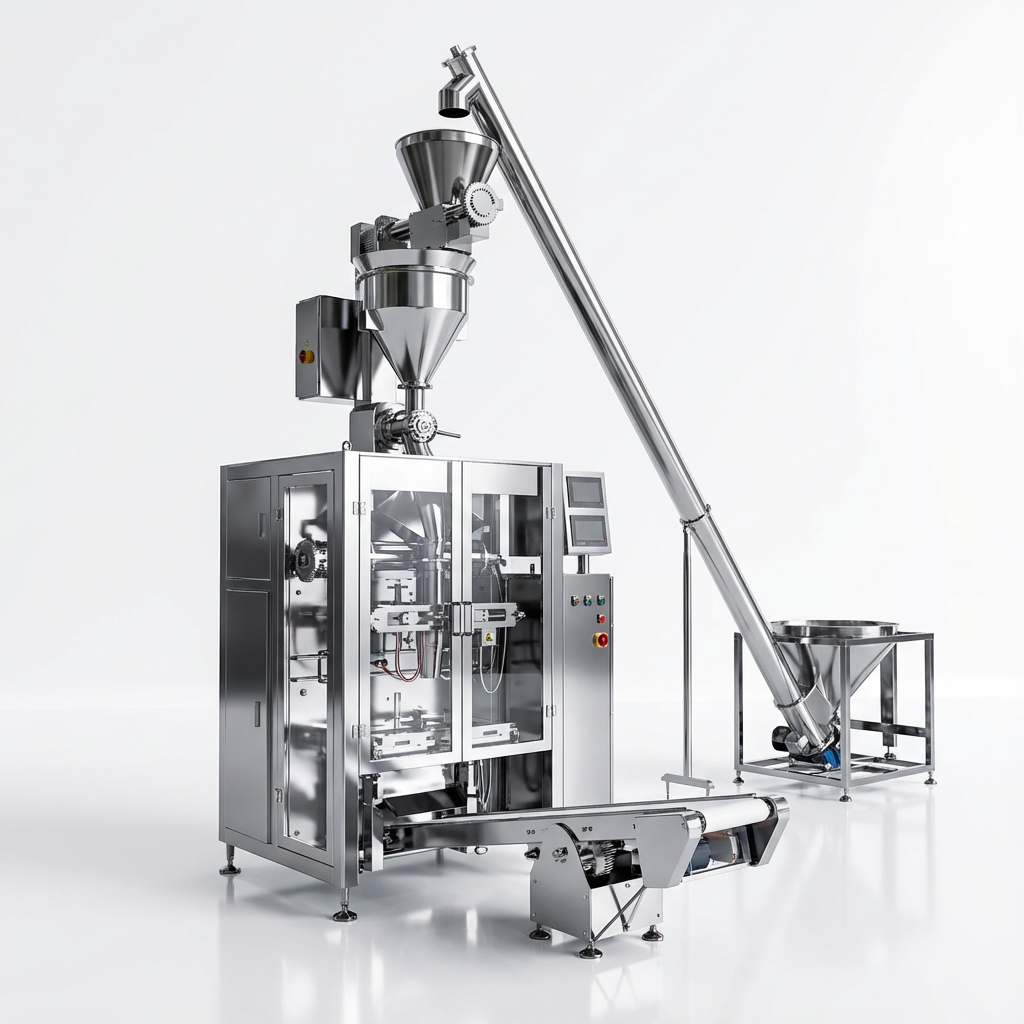
Operator Friendly Case Packing Machines with Simple Controls: A Comprehensive Guide for Modern Packaging Lines
Operator Friendly Case Packing Machines with Simple Controls are redefining packaging line efficiency by solving long-standing pain points of complex machinery that demands specialized technical expertise to operate. For industries spanning food and beverage, pharmaceuticals, e-commerce, and consumer goods, the dual pressures of labor shortages, high operator turnover, and the need for fast, flexible production have made these units indispensable. Traditional Case Packing Systems rely on text-heavy control panels, intricate programming, and specialized training, leading to costly downtime, human error, and higher operational expenses. In contrast, operator friendly models streamline every workflow with intuitive, simplified controls that empower entry-level operators to run, adjust, and maintain equipment with minimal technical barrier. This guide explores their core attributes, key advantages, critical specifications, industry use cases, and emerging trends, offering actionable insights for businesses seeking to optimize their packaging processes.
---
Core Definition & Key Attributes of Operator Friendly Case Packing Machines
At their core, operator friendly case packing machines are automated or semi-automated systems designed with the end user’s workflow in mind. Unlike conventional packers that prioritize functionality over usability, these units reduce cognitive load for operators by centering simplicity without sacrificing performance. Key attributes include:
1. Icon-Based, Intuitive HMIs: Modern units feature 7-inch+ color touchscreens with universal icons (not text-heavy menus) for core functions like start, stop, or SKU switching. Operators select case styles, product formats, or packing patterns with a single tap, eliminating the need to navigate multi-layered programming. For example, switching from packing 12oz soda cans to 16oz bottles requires just selecting the new SKU from a pre-programmed list—no manual calibration of case dimensions or alignment.
2. One-Touch Operation for Core Tasks: Critical functions like emergency stop, reset, and changeover are mapped to large, labeled physical buttons, so operators don’t need to rely on the HMI for urgent actions. This is especially vital in high-pressure production environments where speed of response is key.
3. Rapid, Tool-Less Changeovers: Most models include quick-adjust mechanisms (like locking levers or sliding guides) that cut SKU changeover time from hours to minutes. For businesses with high product variety (e.g., snack brands offering 10+ flavors), this reduces line idle time significantly.
4. Clear, Actionable Error Alerts: Instead of cryptic technical codes, the HMI displays visual alerts with location markers and step-by-step troubleshooting. For example, a jam at Station 2 would be highlighted with a diagram and a simple prompt: “Open guard B, clear product, restart line.” This helps operators resolve issues in seconds, rather than waiting for a maintenance technician.
5. Simplified Safety Integration: Safety features (light curtains, interlocks) are paired with clear visual indicators, so operators understand when a safety mechanism is activated and how to reset it. No complex technical knowledge is needed to comply with safety protocols.
---
Key Advantages of Operator Friendly Case Packing Machines
Adopting these machines delivers measurable value across operational, financial, and safety metrics:
1. Drastically Reduced Training Time: Industry surveys show operator friendly models require 75% less training than traditional control systems—from 16 hours of hands-on learning to just 2–4 hours for new operators. This is a game-changer for teams with high turnover, as new hires become productive faster without relying on senior staff or external trainers.
2. Lower Long-Term Labor Costs: Reduced training expenses, fewer specialized technicians needed, and less overtime for troubleshooting all add up to significant savings. A mid-sized packaging plant with two 2-shift lines can expect a 15–20% reduction in labor-related overhead after switching to these machines.
3. 30% Less Unplanned Downtime: Operators can resolve minor issues (misaligned products, small jams) independently, eliminating wait times for maintenance. This translates to more uptime for production, directly boosting throughput. For example, a confectionery plant reported adding 12+ hours of weekly production time by cutting downtime from 8 hours to 1 hour weekly.
4. Improved Line Efficiency & Throughput: Fast changeovers and less idle time mean lines run at full capacity more often. A snack manufacturer switching between 5 SKUs daily went from 2 hours of changeover time with traditional machines to 20 minutes with operator friendly models, freeing up hours for additional production runs.
5. Enhanced Workplace Safety: OSHA data shows that 60% of machinery-related packaging accidents stem from operator misunderstanding of complex controls. Operator friendly machines reduce confusion by 40% via clear interfaces and intuitive safety prompts, creating a safer work environment.
6. Consistent Product Quality & Compliance: Simple controls ensure packing patterns, seal strength, and case counts are accurate every time, eliminating human error that leads to damaged products or non-compliant packaging. For pharmaceuticals, this is critical for meeting FDA requirements; for food brands, it reduces waste and recall risks.
---
Critical Specifications to Evaluate Operator Friendly Case Packing Machines
The table below outlines key specifications to prioritize when selecting these machines, aligned with their operator-centric design:
| Specification Category | Details for Operator Friendly Case Packing Machines with Simple Controls | Ideal Range & Notes |
|-------------------------------|-----------------------------------------------------------------------------|-------------------------------------------------------------------------------------|
| HMI Interface Design | Icon-based color touchscreen (multi-language support for global teams) | 7-inch or larger; no text-heavy submenus for daily operations |
| SKU Changeover Time | Tool-less adjustments for case dimensions, alignment, and packing patterns | <5 minutes per SKU; supports up to 50 pre-programmed settings for quick selection |
| Operator Training Requirement | Hands-on theoretical + practical training for core operations | 2–4 hours (vs. 12–16 hours for traditional control panels) |
| Error Notification System | Visual alerts with location markers and step-by-step troubleshooting tips | No cryptic error codes; prompts visible on the main HMI dashboard |
| Safety Features | Large, accessible emergency stop, interlock indicators, jam detection | Light curtains at all access points; automatic line stop on safety interlock activation |
| Control Accessibility | Large physical buttons for core functions (start/stop/reset) | Universal icons; no small, hard-to-reach controls for urgent actions |
| Compatibility | Modular design for various case types (corrugated, plastic) and product formats (bottles, cartons, pouches) | Adapts to product size changes without custom programming |
---
Industry Use Cases: Where Operator Friendly Simple Controls Shine
These machines are tailored to high-demand sectors that value flexibility and low operational friction:
1. Food & Beverage: For breweries, bottlers, and snack producers, frequent product line changes are standard. For example, a craft brewery switching between 12oz and 24oz bottles can complete changeovers in under 5 minutes, keeping production running smoothly. The simplified interface also ensures compliance with food safety standards, as operators can verify packing settings quickly without technical expertise.
2. Pharmaceutical Manufacturing: Strict regulatory requirements (FDA 21 CFR Part 11) demand accurate, traceable packaging. Operator friendly case packers have built-in validation features accessible via the HMI, letting operators confirm case counts and labels with a few taps. Low training needs are critical here, as pharmaceutical lines often face high operator turnover.
3. E-Commerce & Retail Fulfillment: E-commerce brands handle diverse products (apparel, electronics, home goods) with variable sizes. Simple controls let line operators adjust packing patterns for new orders in seconds, avoiding delays to fast shipping deadlines. The quick error resolution also reduces downtime during peak seasons, like Black Friday or holiday sales.
---
Common Myths About Operator Friendly Case Packing Machines
Myths often deter businesses from adopting these systems, but facts debunk them:
1. Myth: Simple Controls Mean Limited Functionality: False. Advanced features like data logging, remote diagnostics, and IIoT integration are available, but locked behind password-protected sections for maintenance teams. Core operations remain simple for line operators.
2. Myth: Only for Small Production Lines: False. Scalable models exist for high-volume lines running 24/7. Modular designs let businesses add capacity without losing the operator-friendly control interface.
3. Myth: Higher Upfront Costs = Longer ROI: False. While initial prices may be slightly higher, the ROI is typically 12–18 months (vs. 2+ years for traditional machines) due to reduced labor, downtime, and training costs.
---
Future Trends in Operator Friendly Case Packing Technology
The segment is evolving to meet even greater operator needs:
1. AI-Powered Intuitive Controls: Next-gen machines will use AI to adjust packing patterns in real time, suggesting optimal settings based on product size and condition. Operators only need to confirm, reducing manual input further.
2. Voice-Activated Controls: Hands-free voice commands (e.g., “Start packing SKU 45”) will let operators multitask in busy lines, improving productivity.
3. Enhanced Accessibility Features: HMIs will include support for visually impaired operators (audio prompts), ergonomic placement for operators of all heights, and larger buttons for users with motor skill challenges.
4. Seamless IIoT Integration: Machines will connect to line-wide monitoring systems, but still keep operator controls simple—remote diagnostics will be handled by tech teams, not line operators.
Final Takeaway
Operator Friendly Case Packing Machines with Simple Controls are no longer a niche solution—they are a strategic investment for businesses looking to reduce costs, improve safety, and boost production efficiency. By prioritizing operator needs and eliminating unnecessary complexity, these machines deliver long-term value across every stage of the packaging line, making them a must-have for modern manufacturing.
 Baolan Group Industrial Park, Zhangdian District, Zibo City, Shandong Province Branch Offices: Hefei / Xinjiang / Shanghai Processing Bases: Zibo / Hefei
 +86 15156080266
 emocnn@163.com
© Copyright: 2026 Shandong Chengyi Intelligent Equipment Co., Ltd. All Rights Reserved.

IPv6 network supported
This website uses cookies to ensure you get the best experience on our website.


Comment
(0)