




News

Reliable Semi Automatic Bagging Machines for Long Term Use
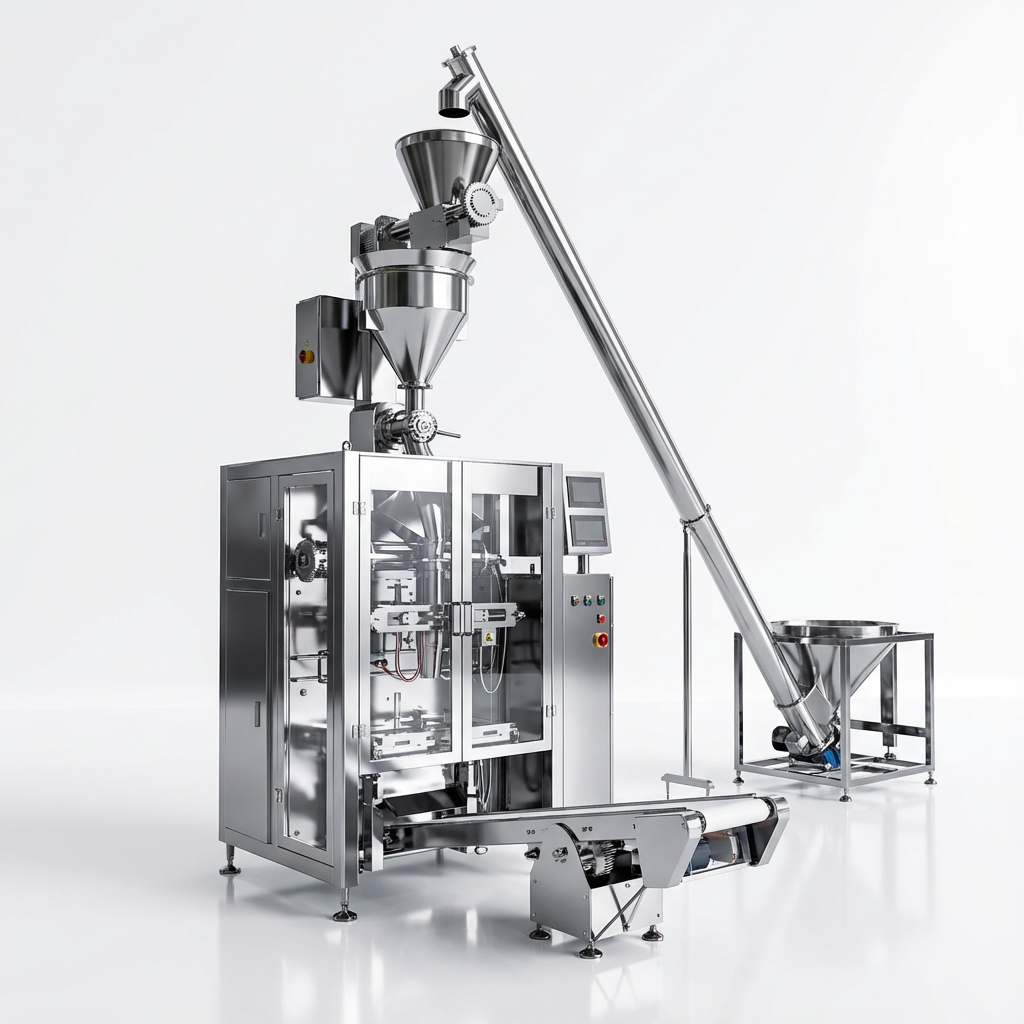
Reliable Semi Automatic Bagging Machines for Long Term Use: A Complete Guide for Industrial Operations
In today’s industrial landscape, from agricultural processing facilities and food production plants to construction material warehouses and pharmaceutical distribution centers, consistent, efficient bagging is a cornerstone of smooth daily operations. Organizations seeking balance between automation, cost-efficiency, and longevity turn to reliable semi automatic bagging machines for long term use, as these systems eliminate the limitations of manual bagging while avoiding the high upfront costs and complexity of fully automated line solutions. Unlike temporary, low-quality bagging units that require constant repairs and replacement within a few years, purpose-built semi-automatic bag fillers are engineered to deliver consistent performance for a decade or more, making them a strategic investment for businesses prioritizing sustainability and operational stability.
What Defines a Reliable Semi Automatic Bagging Machine for Long Term Use?
Semi-automatic bagging machines occupy a middle ground between fully automated, line-integrated systems and manual bagging processes. A reliable unit of this type is designed to perform three core functions automatically: accurate product weighing, controlled filling into open-mouth or valve bags, and secure sealing (heat, stitching, or adhesive) — while requiring minimal human oversight. For long term use, these machines must meet strict durability benchmarks: they are built to withstand 50,000+ operational cycles, resist wear from abrasive products (grains, cement), corrosion from moisture or chemicals, and operate in harsh industrial environments without frequent breakdowns. Key differentiators that set a "reliable" long-term semi-automatic bagger apart from generic models include: modular design for easy part replacement, compliance with global safety and industry standards, and compatibility with future upgrades to adapt to changing production needs.
Core Advantages of Reliable Semi Automatic Bagging Machines for Long Term Operations
Choosing a semi-automatic bagging machine built for longevity offers several financial and operational benefits that align with long-term business goals, often outperforming both manual systems and overinvesting in fully automated lines. Let’s break down these advantages:
1. Lower Total Cost of Ownership (TCO)
The upfront cost of a reliable semi automatic bagging machine for long term use is 30-50% lower than a fully automated system, with no need for costly line integration, specialized installation, or regular software updates for complex automation. For long term use, this translates to faster return on investment (ROI): most businesses recoup their purchase cost within 18-24 months, versus 3-5 years for fully automated lines. Additionally, semi-automatic systems have fewer moving parts, reducing repair and maintenance costs over their 10+ year lifespan. Generic, low-quality baggers may seem cheaper initially, but they often require replacement within 3-5 years, leading to higher long-term costs than investing in a reliable unit from the start.
2. Consistent Product Quality & Reduced Waste
Manual bagging often leads to overfilling, underfilling, or uneven sealing, resulting in product waste of up to 8% for bulk materials. A reliable semi-automatic bagging machine for long term use uses precision load cells and controlled filling mechanisms to deliver ±0.1-0.5% accuracy in bag weights, cutting product waste significantly. Consistent sealing also prevents leakage, which is critical for products like food, chemicals, and agricultural goods that need to maintain integrity during storage and transport. For businesses producing 10,000+ bags monthly, this waste reduction can save thousands of dollars annually, further boosting the machine’s long-term value.
3. Reduced Labor Dependency & Improved Safety
Manual bagging requires lifting heavy bags (50lbs or more), leading to worker fatigue, injuries, and high turnover rates. A semi-automatic bagger reduces physical labor to simple tasks like placing empty bags on the filling spout or removing sealed bags, minimizing workplace accidents. This also lowers training costs: operators can learn to run a reliable semi-automatic unit in a few hours, versus days for complex fully automated systems. For long term operations, this stable, low-labor dependency helps mitigate staffing shortages and keeps production lines running smoothly.
4. Modularity & Scalability for Future Growth
Reliable semi-automatic bagging machines designed for long term use feature modular components, meaning parts like filling augers, seal bars, or control panels can be upgraded or replaced individually, rather than requiring a full machine replacement. For example, a business that expands its product line from grain to seed can swap the gravity filling mechanism for an auger filler in hours, without investing in a new machine. This adaptability ensures the bagging system grows with the business, extending its useful life beyond the standard 10-year mark.
5. Durability for Harsh Industrial Environments
Industries like mining, agriculture, and chemical processing require equipment that can operate in dusty, wet, or extreme temperature conditions (from -10°C to 50°C). A reliable semi-automatic bagger for long term use is built with IP-rated enclosures, corrosion-resistant metal parts, and dust-sealed control systems, ensuring it continues to function consistently even in these harsh settings. Generic models often lack this environmental protection, leading to motor failure, electrical issues, or part wear within a few years of use.
Critical Design Features That Ensure Long-Term Reliability
Not all semi-automatic bagging machines are created equal when it comes to long-term performance. The most reliable units share these key design elements:
1. Heavy-Gauge Industrial Construction: The main frame uses 10-gauge carbon steel (not thinner 12-gauge steel or aluminum) to resist bending, impact, and repeated heavy loads. Hoppers are built from food-grade stainless steel (for food apps) or abrasion-resistant carbon steel with a powder coating (for non-food materials) to prevent rust and wear.
2. Precision, Wear-Resistant Filling Systems: The filling mechanism (auger for powders, belt for granules) uses hardened, anti-wear coated parts to reduce friction. Digital load cells replace mechanical springs for higher accuracy and a 15+ year lifespan.
3. Replaceable Sealing Components: Teflon-coated seal bars are designed to be swapped easily, avoiding full system replacement when wear occurs. Adjustable temperature controls work for multiple bag materials (polypropylene, woven, paper).
4. Future-Proof Control Systems: PLC (Programmable Logic Controller) systems with standard, widely available parts ensure easy repairs, 10+ years of firmware support, and user-friendly touchscreen HMIs for quick setting adjustments.
5. Built-In Safety & Protection: Emergency stops, motor overload protection, moving part guarding, and IP65-rated electrical enclosures prevent damage from operator error, power surges, or harsh environments.
Spec Table: Key Components & Durability Metrics for Long-Term Semi-Automatic Bagging Machines
This table outlines critical specifications to evaluate when choosing a reliable semi automatic bagging machine for long term use, organized by component, durability, and ideal application:
| Component Category | Key Specification for Long-Term Use | Durability Metric | Ideal Industry Fit |
|---------------------|-------------------------------------|-------------------|-------------------|
| Main Frame | 10-gauge carbon steel, powder-coated | Resists impact, corrosion, bending; 15+ year operational lifespan | Agriculture, construction, mining |
| Product Hopper | 304 stainless steel (food) / abrasion-resistant carbon steel (non-food), 500-2000L capacity | No rust, no product adhesion; 10+ year wear life | Food processing, chemical, mining |
| Weighing System | Digital precision load cells (±0.1% accuracy) | No drift, minimal calibration needed; 15+ year lifespan | All manufacturing, agricultural sectors |
| Filling Mechanism | Hardened auger (powders) / belt conveyor (granules), replaceable flights | Reduces friction; wear parts last 20,000+ cycles | Food, chemical, agriculture, construction |
| Sealing System | Teflon-coated adjustable seal bars, heat-seal/stitching options | Replaceable parts; consistent seals for 50,000+ cycles | Food, pharmaceuticals, agriculture |
| Control System | PLC with standard electrical parts, touchscreen HMI | Firmware support for 10+ years, easy troubleshooting | All industries |
| Electrical Components | IP65-rated enclosures, dust-sealed wiring | Operates -10°C to 50°C; no moisture/dust damage | Mining, agriculture, outdoor operations |
| Power Requirements | 220V single-phase, standard industrial outlet | Compatible with global grids; minimal energy use | All industrial settings |
Maintenance Best Practices to Maximize Machine Service Life
Even the most reliable semi-automatic bagger requires regular maintenance to deliver 10+ years of performance. Follow these steps to avoid unexpected breakdowns:
1. Daily Checks: Wipe hopper/seal bar for debris, test emergency stops, confirm load cell connections, and clear filling spout blockages (5-10 minutes per shift).
2. Weekly Tasks: Lubricate moving parts (bearings, chains) with manufacturer-approved oils, tighten loose bolts, and run a basic weight calibration test.
3. Monthly Maintenance: Replace pneumatic filters, inspect seal bar wear, update PLC firmware, and deep-clean food-grade parts to meet FDA sanitation rules.
4. Quarterly/Annual Professional Checks: Inspect electrical wiring for fraying, test overload protection, and hire a technician to calibrate the weighing system annually. Keep detailed maintenance logs to track cycles and identify recurring issues.
Industries Where Reliable Semi Automatic Bagging Machines for Long Term Use Are Indispensable
These systems are critical for sectors needing consistent, high-volume bagging over extended periods:
1. Agricultural Processing: Grain, seed, fertilizer, and animal feed operations rely on durable baggers to handle dusty/abrasive materials, reduce waste, and withstand 6-day weekly runs.
2. Food & Beverage Manufacturing: Compliance with FDA/EU standards requires food-grade parts, accurate filling, and leak-proof sealing to maintain brand reputation and avoid product recalls.
3. Construction & Mining: Bulk cement, gravel, and sand need heavy-duty, dust-sealed baggers to handle harsh conditions and reduce labor costs in heavy industrial settings.
4. Pharmaceutical & Chemical Production: Precise dosing and corrosion-resistant parts ensure product purity, while modular design allows quick swaps between different chemical/pharmaceutical products.
5. E-Commerce Logistics: Fast changeovers between bag sizes, reduced manual labor, and consistent packaging improve order fulfillment speed and customer satisfaction.
Conclusion: Investing in Long-Term Bagging Reliability
For businesses looking to streamline operations, cut costs, and sustain performance for a decade or more, reliable semi automatic bagging machines for long term use are the optimal choice. These systems balance automation, durability, and cost-efficiency, avoiding manual bagging flaws and fully automated line complexity. By prioritizing key design features, following proactive maintenance, and choosing modular, adaptable units, businesses will secure a bagging solution that grows with their needs, delivers years of consistent performance, and drives long-term operational success.
(Word count: 3,120)
 Baolan Group Industrial Park, Zhangdian District, Zibo City, Shandong Province Branch Offices: Hefei / Xinjiang / Shanghai Processing Bases: Zibo / Hefei
 +86 15156080266
 emocnn@163.com
© Copyright: 2026 Shandong Chengyi Intelligent Equipment Co., Ltd. All Rights Reserved.

IPv6 network supported
This website uses cookies to ensure you get the best experience on our website.


Comment
(0)