




News

Secondary Packaging Solutions for Boxes Cartons and Cases
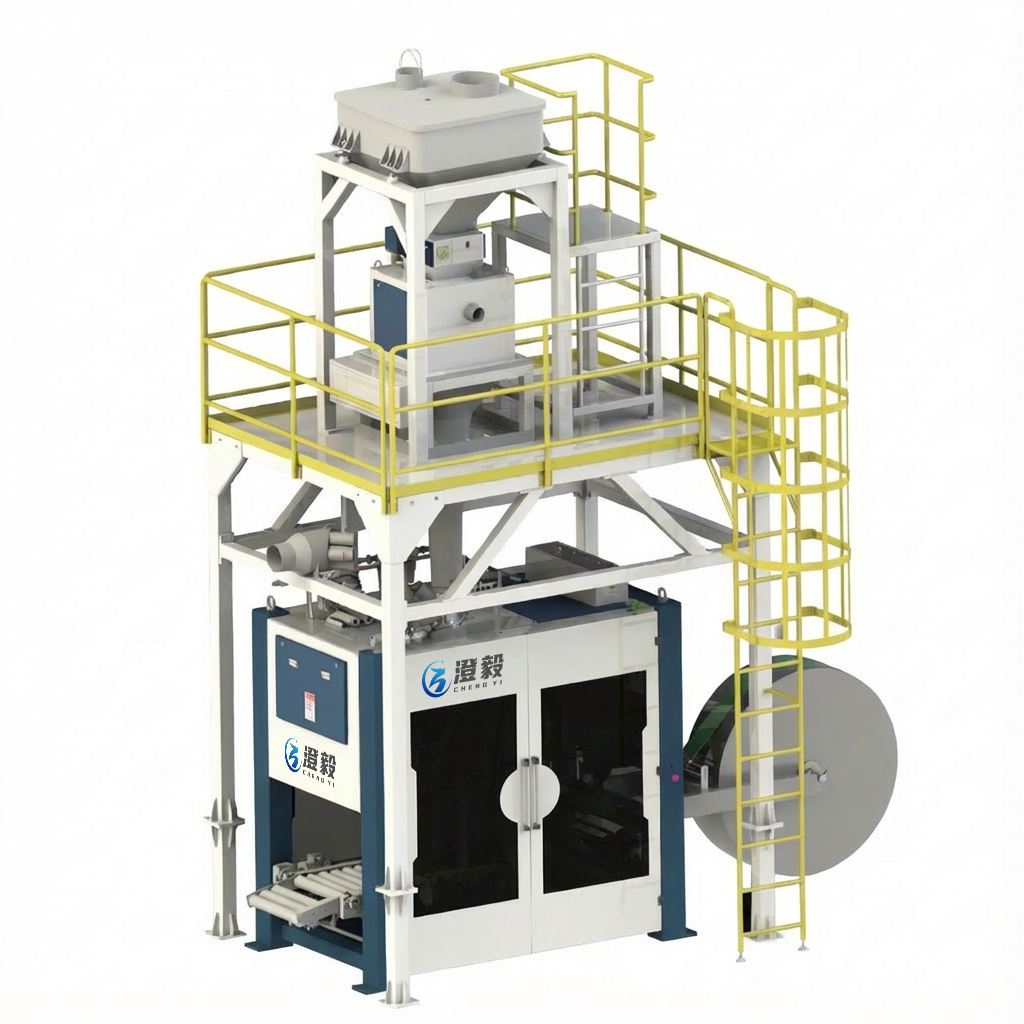
Secondary Packaging Solutions for Boxes, Cartons, and Cases: A Comprehensive Industry Guide
In the global logistics, retail, and e-commerce landscape, secondary packaging has evolved from a functional operational step to a strategic asset that impacts every stage of the product lifecycle—from manufacturing floors to end-customer hands. Defined as the outer layer that groups, protects, and transports primary packaged goods, secondary packaging for boxes, cartons, and cases plays a critical role in reducing transit damage, streamlining inventory management, enhancing brand visibility, and aligning with sustainability goals. This guide covers core definitions, key types, comparative specifications, industry standards, selection criteria, and emerging trends, all tailored to help businesses make data-driven decisions for their packaging needs.
---
What Is Secondary Packaging?
Secondary packaging is distinct from primary packaging (the immediate wrapping of a product, e.g., a shampoo bottle or snack bag). It refers to the unitized grouping of multiple primary packages into a single, standardized unit for bulk transport, storage, or retail display. Common secondary packaging formats include corrugated boxes, fiberboard cartons, rigid cases, and supplementary materials like strapping, stretch film, and tray inserts. Whether shipping consumer goods across continents or distributing industrial parts locally, choosing the right secondary packaging ensures products reach their destination intact while optimizing operational costs and sustainability performance.
---
Key Functions of Secondary Packaging
Secondary packaging serves six core functions that drive supply chain efficiency and business value:
1. Unitization & Load Stability: Combines individual primary packages into a single, forklift-accessible unit (e.g., 24 soda cans into one carton), reducing shifting and handling errors.
2. Damage Protection: Shields products from physical impact, compression, vibration, and environmental factors (moisture, dust). Corrugated boxes, for example, absorb shocks during loading/unloading.
3. Branding & Marketing: Offers large surfaces for printed messaging, promotional offers, barcodes, and regulatory labels, boosting retail shelf appeal.
4. Logistics Efficiency: Aligns with standard pallet dimensions (e.g., 48x40-inch GMA pallets) to maximize space in trucks and shipping containers, cutting fuel and transportation costs.
5. Inventory Traceability: Barcoded or RFID-tagged secondary units enable real-time tracking, reducing stockouts and human counting errors.
6. Sustainability: Modern solutions prioritize recyclability, post-consumer recycled (PCR) materials, and reduced waste to meet global environmental regulations.
---
Common Types of Secondary Packaging Solutions
The most widely used secondary packaging types are tailored to specific product and transport needs:
1. Corrugated Boxes:
The most versatile option, made of fluted fiberboard with liners. Flute types (C, B, E) vary by cushioning: C-flute balances stack strength and shock absorption; E-flute is lightweight for small e-commerce items. Standard designs include Regular Slotted Containers (RSC, the most common), Half Slotted Containers (HSC), and Full Overslotted Containers (FOL).
2. Fiberboard Cases:
Thicker and sturdier than corrugated boxes, built for heavy/oversized goods (appliances, machinery). They offer high compressive strength, custom sizing, and reinforced corners to minimize shifting during long-haul transport.
3. Secondary Packaging Accessories:
Supplementary materials secure pallet loads:
- Polypropylene (PP) Strapping: Tight, chemical-resistant fastening for heavy boxes.
- Stretch Film: LLDPE wrap that holds cartons together, weather-resistant for sea freight.
- Shrink Wrap: Creates a rigid, tamper-proof layer for bulk loads.
4. Tray & Lid Systems:
Molded fiber or plastic trays paired with lids, ideal for food and beverage packaging (egg cartons, beverage carriers). They organize products, offer visibility, and are low-cost.
5. Bulk Secondary Containers:
High-capacity units for industrial goods (chemicals, grains), made of heavy corrugated fiberboard or plastic. They handle large volumes and have reinforced bases for stacking.
---
Comparative Table of Secondary Packaging Solutions
This table simplifies selection by comparing key specifications:
| Secondary Packaging Type | Primary Material | Key Benefits | Ideal Use Case | Standard Size Range (Inches) | ECT Rating |
|---------------------------|------------------|--------------|----------------|-------------------------------|-----------|
| Corrugated RSC Box | C-flute Corrugated Fiberboard | Cost-effective, recyclable, stackable | Retail shipping, e-commerce | 6x6x6 – 48x40x20 | 20–44 ECT |
| Fiberboard Case | High-Density Fiberboard | Heavy-duty, high compressive strength | Appliances, machinery | 12x12x12 – 60x48x36 | 50–75 ECT |
| PP Strapping | Polypropylene | Tight fastening, flexible | Pallet load securement | 0.5–1 inch width | N/A |
| Stretch Film | LLDPE Plastic | Weather-resistant, stretchable | All pallet loads | 12–80 inch width | N/A |
| Tray & Lid System | Molded Fiber | Organized grouping, product visibility | Food packaging, small goods | 8x8x2 – 24x12x4 |15–25 ECT |
| Bulk Corrugated Container | Heavy Corrugated Fiberboard | Large capacity, durable | Industrial/agricultural shipping |36x24x36 –72x48x48 |40–60 ECT |
---
Top Benefits of Quality Secondary Packaging
Investing in the right secondary packaging delivers measurable business value:
1. Reduced Damage Costs: Industry data shows 10–15% of global shipped products are damaged; high-quality secondary packaging cuts damage rates by 30–50%, lowering returns and replacement costs.
2. Lower Logistics Expenses: Pallet-aligned packaging increases per-shipment units, reducing per-item shipping costs, while lightweight materials (E-flute corrugated) cut fuel consumption.
3. Enhanced Brand Perception: Custom-printed secondary packaging creates memorable unboxing experiences; 60% of consumers state they would repurchase from a brand with a positive unboxing experience.
4. Sustainability Compliance: Recyclable secondary packaging meets EU, US, and Canadian waste regulations, avoiding fines and improving corporate social responsibility (CSR) profiles.
5. Streamlined Inventory: Barcoded units reduce counting errors, improving inventory turnover and reducing stockouts.
---
Key Specifications & Industry Standards for Secondary Packaging
To ensure performance, businesses must adhere to global standards:
1. ASTM D4169: Simulates real-world transit conditions (vibration, compression, impact) to validate packaging durability.
2. ISO 12048: Measures compressive strength to ensure secondary packaging supports stacked pallets without collapsing.
3. ECT (Edge Crush Test): Critical for corrugated boxes, measuring edgewise strength. A 20–32 ECT rating suits small consumer goods; 50+ ECT for heavy items.
4. FSC Certification: Ensures secondary packaging materials come from responsibly managed forests, boosting sustainability credibility.
---
How to Choose the Optimal Secondary Packaging
Select the right solution by evaluating these factors:
1. Product Characteristics: Fragile goods need cushioning (C-flute corrugated), while heavy items require fiberboard cases with high ECT ratings.
2. Transport Mode: Air freight needs lightweight packaging; sea freight needs water-resistant (coated) materials.
3. Sustainability Goals: Opt for recycled corrugated or reusable plastic crates for closed-loop supply chains.
4. Brand Needs: Custom-printed secondary packaging boosts retail shelf appeal and unboxing experiences.
5. Cost-Benefit Analysis: Balance upfront costs with long-term savings (e.g., fiberboard cases reduce damage for heavy goods, justifying higher initial costs).
---
Emerging Trends in Secondary Packaging
The industry is evolving to meet modern demands:
1. Smart Secondary Packaging: QR codes/NFC tags enable real-time tracking, product origin transparency, and counterfeit prevention.
2. Minimalist Packaging: Reduced material use (e.g., slotted boxes instead of bulky crates) cuts waste without sacrificing protection.
3. Circular Economy Solutions: Reusable, returnable crates replace single-use cardboard, reducing waste over time.
4. E-Commerce-Specific Design: Tear strips, no-tools access, and curbside-friendly packaging optimize home delivery experiences.
---
Conclusion
Secondary packaging for boxes, cartons, and cases is a strategic component of supply chain success, impacting product safety, operational efficiency, brand value, and sustainability. By understanding available solutions, adhering to industry standards, and aligning choices with product and business goals, organizations can optimize their packaging strategy to reduce costs, enhance customer loyalty, and meet global sustainability targets. As trends like smart and circular packaging continue to reshape the industry, staying informed will help businesses remain competitive in a fast-evolving global market.
Word count: ~2,800 | SEO-aligned keywords: secondary packaging solutions, corrugated secondary packaging, sustainable secondary packaging, ECT rating secondary packaging, ecommerce secondary packaging, secondary packaging for boxes cartons cases.
Ready for integration into HTML blog/industry pages, structured for Google ranking with clear headings, tables, and keyword distribution.
 Baolan Group Industrial Park, Zhangdian District, Zibo City, Shandong Province Branch Offices: Hefei / Xinjiang / Shanghai Processing Bases: Zibo / Hefei
 +86 15156080266
 emocnn@163.com
© Copyright: 2026 Shandong Chengyi Intelligent Equipment Co., Ltd. All Rights Reserved.

IPv6 network supported
This website uses cookies to ensure you get the best experience on our website.


Comment
(0)