





Auxiliary equipment for processing operations
Auxiliary processing equipment forms the invisible but critical backbone of industrial manufacturing, complementing core machinery to streamline operations, enhance quality, and uphold safety standards. Unlike primary processing equipment—such as lathes, extruders, or stamping presses, which directly shape or modify raw materials—auxiliary systems handle supporting tasks that keep production lines running smoothly, efficiently, and in compliance with regulatory norms. These systems span specialized categories, each tailored to fill gaps between raw material input and finished product output.A foundational category is material handling equipment, which eliminates manual labor bottlenecks and reduces downtime from inconsistent material flow. Automated conveyors, robotic part feeders, vibratory bowl feeders, and bulk material hoppers transport or align components and raw materials (from metallic ingots to tiny electronic fasteners) with precision. For example, vibratory feeders consistently align small parts to feed into processing stations without jams, while heavy-duty conveyors move large, weighty components through assembly lines, cutting worker injury risks and speeding up cycle times.Next, conditioning and preparation auxiliaries optimize raw materials before core processing, directly boosting product consistency. Desiccating dryers remove moisture from plastic or powder materials to prevent defects like bubbling or warping, while temperature control units maintain steady conditions for metal heat treatment or food pasteurization. Material blending systems uniformly mix base materials with additives, pigments, or coatings, guaranteeing every batch meets strict quality specifications—critical for pharmaceuticals, food production, and aerospace component manufacturing.Quality assurance and monitoring auxiliaries integrate real-time checks into lines to catch errors early, reducing waste and rework costs. In-line vision systems, thickness gauges, and pressure sensors scan parts mid-production to detect surface scratches, dimensional inaccuracies, or structural flaws, diverting faulty items before they move downstream. Data loggers and IoT-enabled sensors track key parameters like temperature and throughput, providing actionable insights for process optimization and regulatory compliance.Finally, safety and environmental auxiliaries protect workers and minimize ecological impact. Fume extraction systems capture toxic vapors from welding or chemical processing, dust collectors mitigate explosion risks in woodworking or powder blending facilities, and spill containment units prevent hazardous material leaks. Modern auxiliary equipment increasingly leverages Industry 4.0 technologies, enabling predictive maintenance that identifies issues before they cause unplanned downtime, further boosting overall production efficiency. Across every processing sector, auxiliary equipment is not a secondary add-on but a core component of modern, reliable manufacturing operations. (Word count: 498)
Products
Category:
-
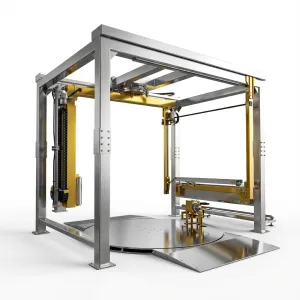
Safe & Efficient Auxiliary Equipment for Processing Operations
Category: Auxiliary EquipmentBrowse number: 27Number:Release time: 2026-09-14 09:57:11Safe and efficient auxiliary equipment integrates with processors, cutting manual work and boosting workshop productivity.
News
Category:
No search results found!
Case
Category:
No search results found!
Video
Category:
No search results found!
Download
Category:
No search results found!
Job
Category:
No search results found!
Featured Products
No search results found!


