





Safe auxiliary equipment for processing operations
Safe Auxiliary Equipment for Processing OperationsProcessing operations—encompassing metalworking, woodworking, fabrication, and material shaping—are fraught with inherent hazards: sharp cutting edges, rotating machinery parts, flying debris, toxic dust, and ergonomic strains. Safe auxiliary equipment is indispensable to mitigating these risks, safeguarding workers, and upholding regulatory standards while sustaining operational efficiency.Core categories of such equipment serve distinct critical functions. First, machine guarding devices act as the first line of defense against mechanical injury. Fixed guards, rigid barriers enclosing rotating shafts, saw blades, or grinding wheels, prevent accidental contact with moving parts without interfering with operational flow. Interlocked guards, a more advanced variant, automatically shut down machinery when opened, eliminating the risk of unauthorized access during operation. Push-button safety enclosures also prevent unintended activation of power tools, a common cause of hand and fingertip injuries.Second, debris and containment systems address airborne and projectile risks. Clear acrylic safety shields mounted on saws, routers, or abrasive cutting tools block flying chips and sparks, reducing eye and facial injury risks. Local exhaust ventilation (LEV) systems, such as dust extraction hoods positioned at grinding or sanding stations, capture toxic particulates and fine dust, preventing long-term respiratory conditions like occupational asthma.Third, ergonomic auxiliary tools reduce musculoskeletal disorders (MSDs), one of the most prevalent work-related injuries in processing. Vibration-dampened handles for power tools minimize hand-arm vibration syndrome (HAVS) caused by prolonged use of jackhammers or grinders. Height-adjustable workbenches and powered lift tables eliminate awkward postures and heavy manual lifting, lowering back and shoulder injury risks. Non-slip work mats on standing work areas also reduce slip-and-fall incidents on oily or wet floors.Proper deployment and maintenance of this equipment are equally vital. Regular inspections ensure guards remain intact and functional, while comprehensive training programs teach workers never to bypass or remove safety devices for temporary convenience. When selected, deployed, and maintained correctly, safe auxiliary equipment transforms high-risk processing tasks into controlled, secure operations, balancing worker well-being with consistent operational productivity. (Word count: 508)
Products
Category:
-
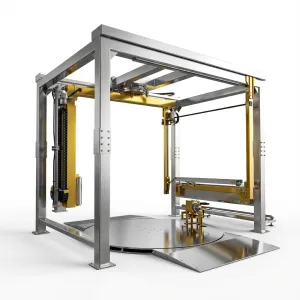
Safe & Efficient Auxiliary Equipment for Processing Operations
Category: Auxiliary EquipmentBrowse number: 27Number:Release time: 2026-09-14 09:57:11Safe and efficient auxiliary equipment integrates with processors, cutting manual work and boosting workshop productivity.
News
Category:
No search results found!
Case
Category:
No search results found!
Video
Category:
No search results found!
Download
Category:
No search results found!
Job
Category:
No search results found!
Featured Products
No search results found!


