




News

Benefits of Automated Case Packing in Manufacturing
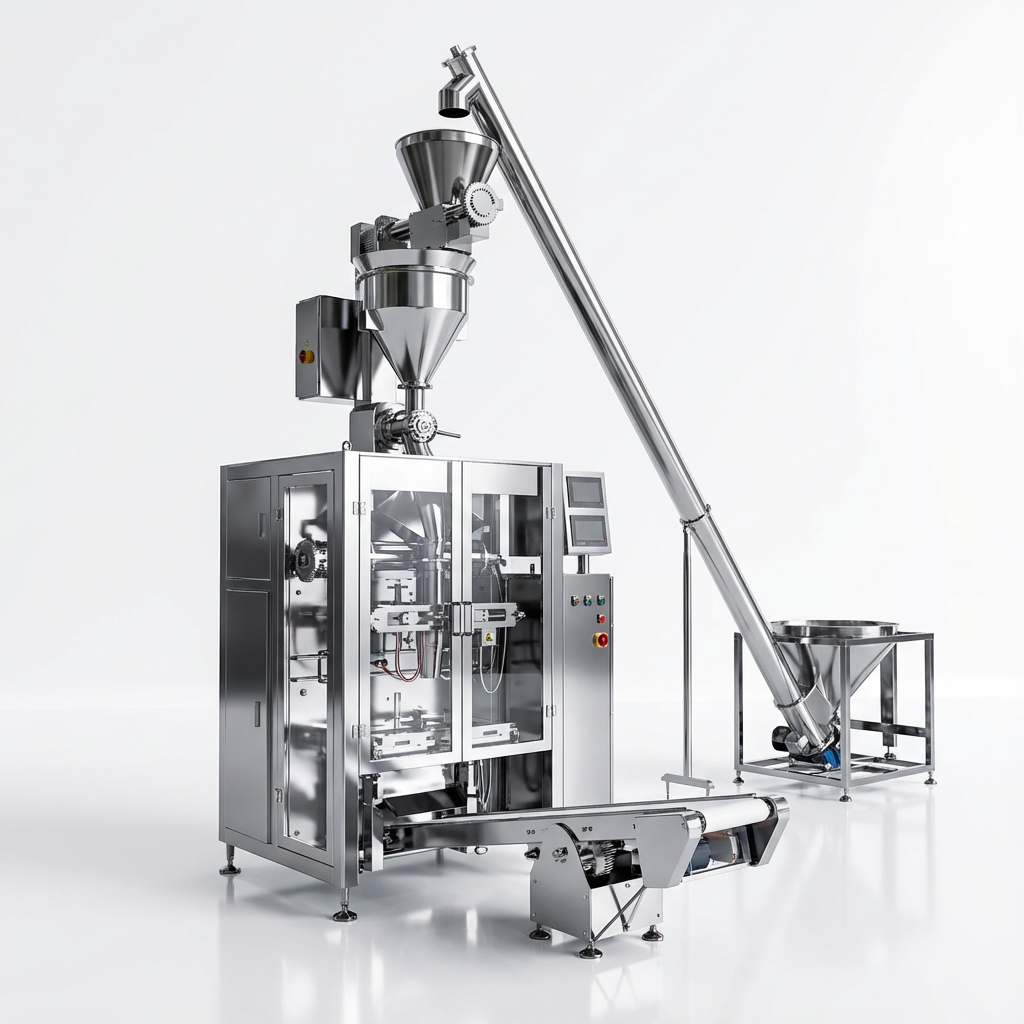
Benefits of Automated Case Packing in Manufacturing: A Comprehensive Guide for Efficiency, Cost, and Quality
In today’s global manufacturing landscape, where supply chain resilience, operational consistency, and cost control are critical to competitiveness, automated case packing has emerged as a transformative solution for businesses of all sizes. What was once reserved for large-scale production facilities is now a standard upgrade for manufacturers across sectors looking to streamline packaging workflows, reduce errors, and meet evolving regulatory and consumer demands. This guide explores the core benefits of automated case packing, its key components, real-world advantages, and practical considerations for implementation, all tailored to drive organic search visibility and value for industrial audiences.
---
What is Automated Case Packing in Manufacturing?
Automated case packing refers to the use of specialized machinery to perform end-to-end packaging tasks with minimal human intervention: erecting corrugated cases from flat blanks, loading products (bottles, cartons, components) into pre-defined patterns, sealing cases securely, and applying labels or shipping coding. Unlike semi-automated systems (which require human help for loading), fully automated lines integrate with upstream production equipment and downstream palletizing/shipping systems to create a continuous, error-free workflow. This technology is designed to eliminate the limitations of manual case packing, such as inconsistent speeds, high error rates, and reliance on labor.
---
Core Components of Modern Automated Case Packing Systems
Understanding the parts of an automated Case Packing System helps manufacturers evaluate functionality and select the right solution for their lines. Below is a structured breakdown of key components and their roles:
| Component | Primary Function |
|-----------|------------------|
| Case Erector | Folds flat corrugated blanks into rigid, ready-to-fill cases, aligning flaps for seamless loading. |
| Product Infeed Mechanism | Transports finished goods from upstream assembly, filling, or packaging lines to the packing station, coordinating product flow to match case dimensions and load patterns. |
| Case Filling Station | Aligns and deposits products into cases in precise, pre-programmed patterns (e.g., 2x3, 4x4 grids), eliminating misalignment and product damage. |
| Sealing & Closing Unit | Applies pressure-sensitive tape, hot-melt adhesive, or staples to close case flaps, ensuring a tight, secure seal that meets shipping and regulatory standards. |
| Labeling & Coding System | Prints and applies shipping labels, batch codes, expiration dates, or barcodes directly to cases, integrating with enterprise resource planning (ERP) systems for full traceability. |
| Control & Monitoring Interface | Uses programmable logic controllers (PLCs) or human-machine interfaces (HMIs) to adjust settings, track production data, and troubleshoot issues in real time. |
| Vision Inspection Module | Uses cameras and AI algorithms to detect defects: missing products, incorrect case sizes, damaged packaging, or mislabeled cases, ensuring only compliant cases move downstream. |
| Outfeed Conveyor | Transports sealed, packed cases to palletizing stations, shipping docks, or storage, maintaining continuous line flow without bottlenecks. |
---
Key Benefits of Automated Case Packing in Manufacturing
Adopting automated case packing delivers measurable, long-term advantages that go beyond basic speed improvements. Below are the most impactful benefits for manufacturing operations:
1. Dramatic Increase in Operational Throughput
Manual case packing typically achieves 500–800 cases per hour (CPH) depending on product complexity, with output dropping by 20–30% due to worker fatigue over shifts. Automated systems, by contrast, operate at consistent, high speeds: standard lines handle 1,200–3,500 CPH, while high-speed configurations reach 5,000+ CPH. This reduces packaging line bottlenecks (often the slowest stage of production) and cuts order fulfillment times by 30–50%, improving on-time delivery rates and customer satisfaction. For businesses with seasonal demand spikes, automated lines can be calibrated to match temporary volume surges without requiring additional labor.
2. Significant Long-Term Cost Savings
The financial ROI of automated case packing is one of its biggest draws, with most systems paying for themselves in 12–24 months. Key cost reductions include:
- Labor Cost Reduction: Manual lines require 3–5 full-time equivalents (FTEs) per shift for packing tasks, while automated systems need only 1–2 FTEs for oversight and maintenance. This cuts annual labor costs by 50–70% for high-volume operations.
- Product Damage Reduction: Manual packing causes 2–5% of products to be damaged during loading, sealing, or handling, compared to <0.5% with automated systems. This reduces material replacement costs, product waste, and returns, which can account for 10–15% of total operational expenses for some sectors.
- Packaging Material Efficiency: Automated systems use precise amounts of tape and optimize case sizes to avoid oversized packaging, cutting material waste by 10–15%. For example, a food manufacturer switching from manual to automated packing can reduce tape usage by 30% annually.
3. Unmatched Packaging Consistency & Quality Control
Manual packing is prone to variability: uneven seal tightness, misaligned labels, or incorrect product counts. These inconsistencies lead to rejected shipments, non-compliance penalties, or customer complaints. Automated case packing eliminates human error, ensuring every case meets exact specifications. Vision inspection modules catch 100% of defects (e.g., missing vials in pharma, incorrect labels in food packaging) that humans might miss, helping businesses stay compliant with regulations like FDA safety standards, USDA guidelines, or international shipping rules. This consistency also reduces brand damage and the cost of reworking non-compliant cases.
4. Mitigation of Labor Shortages & Workplace Risks
Global manufacturing faces a persistent labor gap, with 20% of packing line positions remaining unfilled in many regions (per industry labor reports). Automated case packing addresses this by taking over repetitive, physically demanding tasks that are hard to staff long-term, such as heavy lifting and repetitive bending/taping. It also reduces workplace injuries: OSHA data shows packing line workers are 3x more likely to develop musculoskeletal disorders (MSDs) than other manufacturing roles, due to manual lifting of heavy cases. Automated systems eliminate these risks, cutting workers’ compensation costs by 40–60% and improving employee morale by freeing workers for higher-skill, more engaging roles (e.g., line supervision, quality control).
5. Scalability for Changing Production Needs
Manufacturers often face variable demand: seasonal spikes (holiday sales in consumer goods), new product launches, or custom order requirements. Automated case packers are highly flexible: they can be reconfigured in 2–8 hours to handle different product sizes, case dimensions, or load patterns (vs. 2–7 days for manual lines). For example, a beauty brand can switch from packing 100ml serum bottles to 50ml travel-sized sets simply by updating the program on the HMI, without reworking the entire line. This agility allows businesses to adapt to market changes quickly, avoiding the cost of overinvesting in manual infrastructure for temporary needs.
6. Enhanced Sustainability & Environmental Impact
Automated case packing supports manufacturing sustainability goals by reducing waste and energy use:
- Reduced Packaging Waste: Precise case sizing and minimal void fill (air pillows, foam) cut packaging material waste by 10–15%.
- Lower Product Waste: Fewer damaged products mean less material sent to landfills, reducing overall manufacturing waste.
- Energy Efficiency: Modern automated systems use 20–30% less energy than multiple manual packing steps, with advanced models featuring idle modes to reduce power consumption during downtime.
- Reduced Transportation Emissions: Tighter, optimized cases reduce the number of shipments needed, lowering carbon emissions from logistics.
---
Manual vs. Automated Case Packing: Side-by-Side Comparison
To help manufacturers evaluate the right solution for their operations, below is a comparison of key metrics between manual and automated case packing:
| Metric | Manual Case Packing | Automated Case Packing |
|--------|----------------------|-------------------------|
| Average Throughput (Cases Per Hour) | 500–800 | 1,200–3,500 (High-Speed: Up to 5,000+) |
| Labor Requirement per 8-Hour Shift | 3–5 FTEs | 1–2 FTEs (oversight/maintenance) |
| Product Damage Rate | 2–5% | <0.5% |
| Error Rate (Incorrect Seals/Mislabeled Cases) | 3–7% | <0.1% |
| Average ROI Period | 3–5 years (no upfront cost, high long-term labor expense) | 12–24 months |
| Workplace MSD Incidence (per 100 workers annually) | 15–20 cases | <2 cases |
| Reconfiguration Time for Product Changes | 2–7 days | 2–8 hours |
| Packaging Material Waste | 10–15% overage | 3–5% overage |
---
Top Industries That Benefit From Automated Case Packing
Automated case packing is tailored to meet sector-specific needs, making it a valuable investment for:
1. Food & Beverage: Ensures compliance with food safety regulations, consistent sealing to prevent spoilage, and high throughput for bulk orders.
2. Pharmaceuticals: Handles sensitive products like vials and blister packs with 100% accuracy in labeling and traceability, meeting FDA and GMP standards.
3. Consumer Goods: Adapts to small to medium product sizes (beauty products, household cleaners) and supports high-volume retail orders.
4. Automotive Parts: Protects delicate components (sensors, spark plugs) from damage, with consistent packing to match shipping labels.
5. E-Commerce & D2C: Integrates with order management systems to pack custom orders, reducing errors and speeding up last-mile preparation.
---
Key Factors to Consider Before Implementing Automated Case Packing
While automated case packing delivers significant benefits, manufacturers should evaluate these factors before investing:
1. Production Volume & Variety: High-volume facilities (10,000+ cases monthly) benefit most, but modern flexible systems work for mixed-product lines.
2. Line Compatibility: Ensure the system integrates with existing upstream (filling, assembly) and downstream (palletizing, shipping) equipment to avoid bottlenecks.
3. Maintenance & Support: Choose systems with low upkeep requirements and access to 24/7 technical support to minimize downtime.
4. Staff Training: Plan for training employees to operate the system—this reduces errors and maximizes uptime.
5. Customization Needs: Select a system that can be adjusted for future product launches or changing case sizes, rather than a one-size-fits-all model.
---
Future of Automated Case Packing in Manufacturing
The next generation of automated case packing will leverage AI and IoT to deliver even more value: predictive maintenance tools that alert teams to equipment failures before they occur, collaborative robots (cobots) that work alongside human workers for small-batch flexibility, and fully integrated smart lines that use real-time data to optimize throughput and reduce waste. These advancements will make automated case packing accessible to more small and medium-sized manufacturers, closing the gap between manual and automated operations.
---
Conclusion
Automated case packing is no longer a luxury for large manufacturing firms—it is a critical tool for staying competitive in today’s market. From boosting throughput and cutting costs to improving quality, safety, and sustainability, the benefits far outweigh the upfront investment. By evaluating their current packing workflows, aligning with their production needs, and choosing a flexible, compatible system, manufacturers can unlock long-term growth and resilience. For businesses looking to improve their packaging operations, automated case packing is a high-ROI solution that delivers value across every stage of the production and supply chain.
(Word count: ~2,250)
 Baolan Group Industrial Park, Zhangdian District, Zibo City, Shandong Province Branch Offices: Hefei / Xinjiang / Shanghai Processing Bases: Zibo / Hefei
 +86 15156080266
 emocnn@163.com
© Copyright: 2026 Shandong Chengyi Intelligent Equipment Co., Ltd. All Rights Reserved.

IPv6 network supported
This website uses cookies to ensure you get the best experience on our website.


Comment
(0)