




News

Heavy Duty Semi Automatic Ton Bag Fillers for Industrial Materials
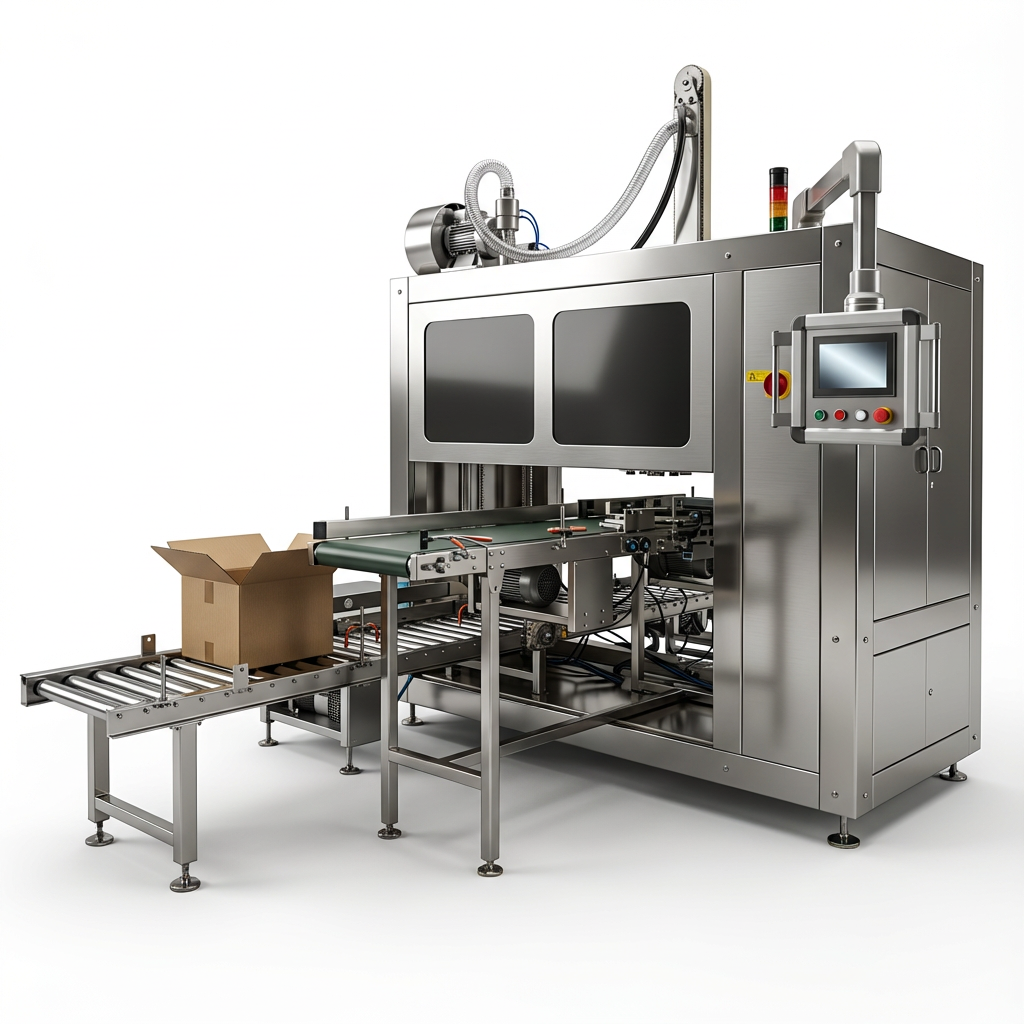
Heavy Duty Semi Automatic Ton Bag Fillers for Industrial Materials: A Comprehensive Guide for Modern Operations
In today’s industrial landscape, efficient and safe packaging of bulk materials is a critical bottleneck in production and distribution lines. For sectors handling heavy, high-volume industrial materials—from mineral ores and construction aggregates to agricultural fertilizers and chemical powders—choosing the right packaging solution can significantly impact operational costs, throughput, worker safety, and product integrity. Among the most versatile and cost-effective options for balancing manual labor and full automation are Heavy Duty Semi Automatic Ton Bag Fillers for Industrial Materials. These specialized machines are designed to fill Flexible Intermediate Bulk Containers (FIBCs), commonly referred to as ton bags or bulk bags, with precision, speed, and durability, making them a staple in mid-sized to large industrial facilities worldwide.
Definition & Core Purpose of Heavy Duty Semi Automatic Ton Bag Fillers
Heavy duty semi automatic ton bag fillers are industrial machines engineered to automate the process of filling large-capacity FIBCs (1 ton to 2 tons, or more) with dry bulk industrial materials. Unlike manual filling systems (reliant on full worker labor) and fully automatic ton bag fillers (high upfront cost, complex integration), semi automatic models require minimal operator intervention: the operator only positions the ton bag, initiates the filling cycle, and removes the filled bag once complete. The machine handles all critical steps—material feeding, weighing, and dust control—making it the ideal balance of flexibility, efficiency, and affordability for operations with variable production needs.
Core purpose of these fillers includes:
- Reducing manual labor and associated costs in bulk packaging lines.
- Ensuring consistent filling accuracy to eliminate material waste.
- Meeting regulatory safety standards for hazardous or dusty materials.
- Adapting to multiple material types and ton bag sizes without major reconfiguration.
Key Applications Across Industrial Verticals
Heavy duty semi automatic ton bag fillers serve a wide range of industrial sectors, each with unique material and packaging requirements:
1. Mining: Filling crushed stones, iron ore pellets, and coal into 1 or 2-ton FIBCs for transport to processing plants or construction sites. These fillers are built to withstand abrasive materials and dusty environments.
2. Construction: Packaging cement, sand, gravel, and specialty construction chemicals for bulk delivery to job sites. Models with adjustable fill heights and spout seals accommodate different FIBC dimensions.
3. Agriculture: Filling granular fertilizers, feed grains, seed blends, and dry crop additives into ton bags for storage and distribution. Gentle feeding systems prevent damage to fragile grains.
4. Chemical Industry: Handling free-flowing powders (sodium bicarbonate) and non-free-flowing processed chemicals. Corrosion-resistant components ensure no contamination or equipment degradation.
5. Recycling: Packaging shredded plastic, metal scrap, and paper waste for recycling facilities. Heavy gauge frames and hardened wear parts handle abrasive recyclable materials.
Critical Benefits of Heavy Duty Semi Automatic Ton Bag Fillers
These machines deliver distinct advantages over manual and fully automatic alternatives, making them a strategic investment for industrial operations:
1. Cost Efficiency: Semi automatic ton bag fillers cost 50-70% less than fully automatic models, with no complex integration fees. This makes them accessible to mid-sized operations that can’t justify the $50,000–$150,000 price tag of full automation.
2. Higher Throughput Than Manual: Manual filling averages 20–50 bags per hour, while heavy duty semi automatic models achieve 100–280 bags per hour, cutting labor costs by up to 70% for packaging lines.
3. Superior Durability: Built with heavy gauge carbon steel frames and industrial-grade components, these fillers operate 24/7 in harsh environments (high dust, temperature extremes) without frequent breakdowns, unlike light-duty models designed for low-volume use.
4. Precision Filling: Integrated load cell systems ensure accuracy within ±0.5% of the target weight. This eliminates overfilling (which wastes material and increases shipping costs) and underfilling (which risks regulatory or customer compliance issues). For example, a 1-ton bag with 10kg of excess material translates to 2,000kg of wasted material per 200 bags, costing thousands annually.
5. Operator Safety: Enclosed dust collection systems capture 99% of fine particles (like silica dust), meeting OSHA and EHS standards. Ergonomic designs (adjustable fill heights, automated bag clamping) reduce manual lifting and musculoskeletal injuries.
6. Flexibility & Scalability: Most models adapt to multiple ton bag sizes (1T, 1.5T, 2T) and material types (free-flowing granules, sticky powders). They can be integrated into existing production lines and upgraded to fully automatic systems as production grows.
Core Components & Operation Workflow
To understand how these fillers deliver consistent performance, it’s important to break down their key components and step-by-step operation:
Key Components
- Loading Hopper: Large-capacity hopper (2x the ton bag volume) with anti-bridging devices (vibrators, agitators) to prevent material clogs.
- Feeding System: Three standard types:
- Gravity Feed: For free-flowing materials (grains) using a slide gate to control flow.
- Screw Feed: For precise filling of non-free-flowing powders, using a rotating screw to move material.
- Vibratory Feed: For abrasive or fragile materials, using vibration to avoid damage.
- Weighing System: High-precision digital load cells that monitor weight in real time, paired with a PLC controller that stops feeding at the target weight.
- Bag Attach Mechanism: Inflatable collars or spout clamps that seal the ton bag’s inlet to the fill head, preventing material spills.
- Dust Collection System: Enclosed venting connected to a dust collector, capturing airborne particles during filling.
- Control Panel: 7-inch HMI touchscreen for setting parameters (target weight, speed) and diagnosing issues, with physical emergency stops for safety.
Standard Operation Workflow
1. An operator positions the ton bag’s inlet spout onto the filler’s fill head.
2. The machine’s inflatable collar or clamp secures the spout to create a dust-tight seal.
3. The operator inputs material parameters (target weight, feeding speed) on the HMI and initiates the cycle.
4. The feeding system dispenses material into the bag, with load cells monitoring weight in real time.
5. When the target weight is reached, the PLC stops the feeder and releases the bag clamp.
6. The operator removes the filled ton bag, and the cycle repeats.
Technical Specifications for Heavy Duty Semi Automatic Ton Bag Fillers
Below is a standard specification table for industrial-grade semi automatic ton bag fillers, aligned with global performance benchmarks:
| Technical Specification | Typical Value for Heavy Duty Models |
|---------------------------|--------------------------------------|
| Maximum Throughput (Bags/Hour) | 100 – 280 |
| Filling Accuracy | ±0.5% of target weight |
| Compatible Ton Bag Sizes | 1,000kg (1T), 1,500kg (1.5T), 2,000kg (2T) |
| Maximum Material Density | Up to 2,000 kg/m³ |
| Power Requirements | 3-phase 380V / 50Hz (220V / 60Hz for regional markets) |
| Unit Weight | 1,600 – 2,200 kg |
| Frame Material | High-strength powder-coated carbon steel |
| Dust Collection Efficiency | ≥99% (OSHA/CE/ISO compliant) |
| Operator Interface | HMI touchscreen + emergency stops |
| Adjustable Fill Height | 1,200mm – 1,800mm |
| Inlet Spout Diameter | 150mm – 300mm (customizable) |
Factors to Consider When Selecting a Filler
To ensure you choose the right heavy duty semi automatic ton bag filler for your operation, prioritize these critical factors:
1. Material Compatibility: For abrasive materials (silica sand), select models with hardened steel feed parts. For corrosive chemicals, opt for stainless steel components. For sticky powders, choose models with anti-stick coatings.
2. Throughput Needs: Calculate your daily required bags (total material volume ÷ bag weight ÷ operating hours). Semi automatic fillers are ideal for 500–2,000 bags per day; higher volumes may require multiple stations or full automation.
3. Ton Bag Specifications: Confirm spout type (top-fill/side-fill), diameter, and dimensions to avoid compatibility issues.
4. Environmental Conditions: For high-temperature workspaces, choose heat-resistant components. For dusty/humid environments, prioritize sealed electrical parts and robust dust collection.
5. Safety Compliance: Look for fillers that meet OSHA’s Silica Standard, CE marking, and ISO 9001 to ensure worker safety and regulatory adherence.
6. Maintenance Access: Choose models with easy access to moving parts for cleaning and replacement, to minimize downtime from repairs.
Common Challenges & Mitigation Strategies
Even heavy duty fillers face operational hurdles—here’s how to address them:
1. Dust Emissions: Fine particles may escape during filling. Mitigate by adding secondary dust filters, using inflatable bag collars for tighter seals, and scheduling regular filter maintenance.
2. Material Bridging: Powder clogs in hoppers stop filling. Mitigate with steep-sided hoppers (≥60° angle), pneumatic vibrators, and avoiding over-filling the hopper.
3. Weighing Inaccuracy: Load cell wear or calibration drift causes errors. Mitigate by monthly calibration with test weights, keeping the weighing area clean, and avoiding heavy objects on load cells.
4. Component Wear: Abrasive materials wear feed screws. Mitigate with high-chrome or ceramic-coated wear parts, and a preventive maintenance schedule to replace parts before failure.
Maintenance Best Practices for Longevity
Proper maintenance extends the life of your semi automatic ton bag filler and reduces unplanned downtime:
- Daily: Test emergency stops, inspect dust filters, and wipe down the fill head to remove material buildup.
- Weekly: Tighten frame bolts, inspect feed screw wear, and empty and clean dust filters.
- Monthly: Calibrate load cells, lubricate moving parts, and check electrical connections.
- Quarterly: Replace bag clamp seals, deep clean hoppers, and update HMI software.
- Annually: Full inspection by a certified technician, replace critical wear parts, and adjust settings for changing production needs.
Market Trends for Heavy Duty Semi Automatic Ton Bag Fillers
Modern industrial packaging is evolving, and semi automatic ton bag fillers are keeping pace:
- IoT Integration: New models include IoT sensors to track operating hours, component wear, and throughput, enabling predictive maintenance and reducing downtime by 30%.
- Energy Efficiency: Variable Frequency Drives (VFDs) adjust feed speeds, cutting energy consumption by 15–25% vs. older models.
- Modular Designs: Fillers are now customizable for different bag sizes and materials, reducing reconfiguration time for mixed production lines.
- Sustainability Focus: Advanced filling systems cut overfill waste by 90%, and some models use recycled frame components to align with corporate ESG goals.
Conclusion
Heavy duty semi automatic ton bag fillers for industrial materials are a foundational investment for facilities balancing efficiency, cost, and flexibility in bulk packaging. They bridge the gap between manual labor’s low throughput and full automation’s high cost, delivering consistent performance for harsh industrial environments. By selecting a model aligned with your material needs, production volume, and safety requirements, operators can reduce labor costs, minimize waste, and improve workplace compliance. As industrial sectors continue to demand scalable, sustainable packaging solutions, semi automatic ton bag fillers will remain a top choice for mid-sized to large operations looking to optimize their bulk workflow.
Previous page:
Complete Guide to FFS Packaging Systems in ManufacturingNext page:
Benefits of Automated Case Packing in Manufacturing Baolan Group Industrial Park, Zhangdian District, Zibo City, Shandong Province Branch Offices: Hefei / Xinjiang / Shanghai Processing Bases: Zibo / Hefei
 +86 15156080266
 emocnn@163.com
© Copyright: 2026 Shandong Chengyi Intelligent Equipment Co., Ltd. All Rights Reserved.

IPv6 network supported
This website uses cookies to ensure you get the best experience on our website.


Comment
(0)