




News

Benefits of Automated Secondary Packaging Systems
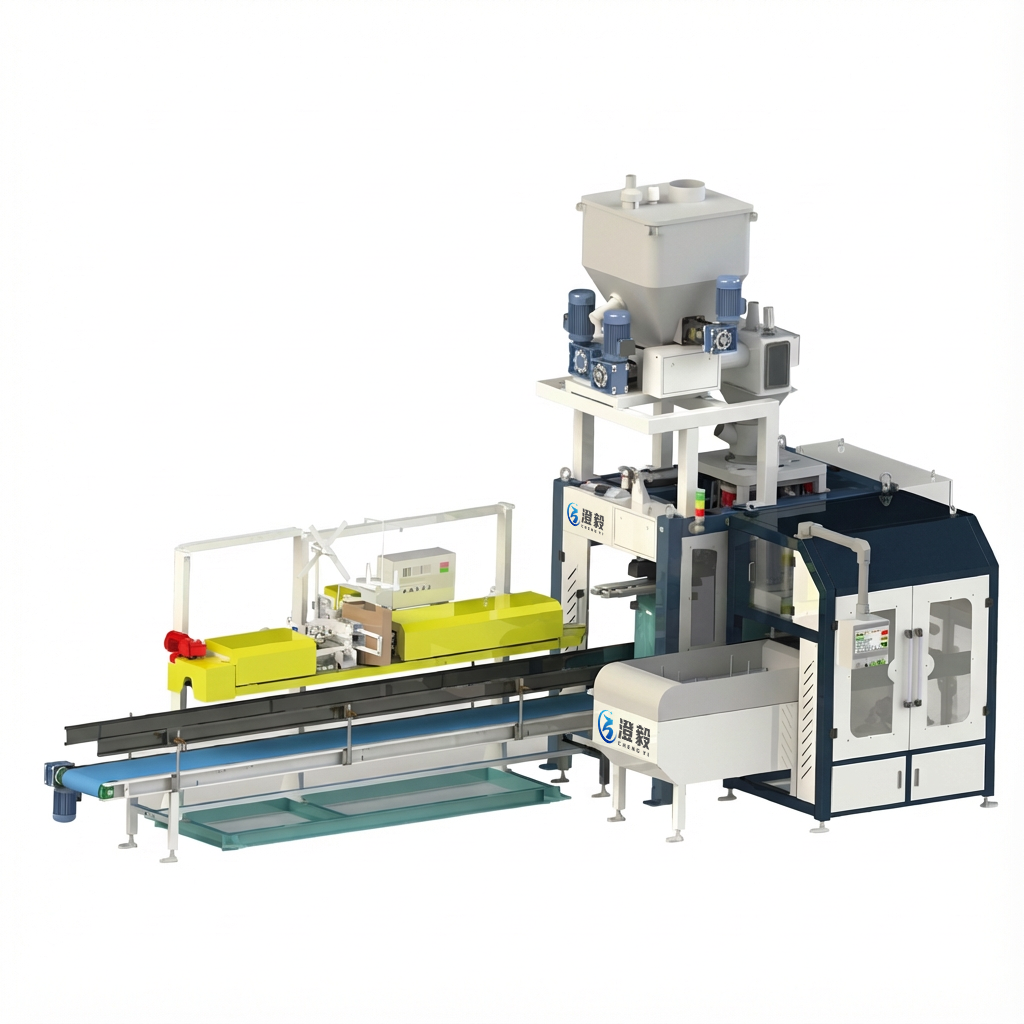
Benefits of Automated Secondary Packaging Systems: Transforming Modern Supply Chain Efficiency
Secondary packaging is a critical yet often underrated stage in product distribution, serving as the link between primary product packaging (e.g., individual bottles, cereal boxes) and end-of-line palletization or shipping. For industries ranging from food and beverage to pharmaceuticals and consumer goods, efficient secondary packaging ensures products are protected during transit, meet regulatory requirements, and are ready for retail or e-commerce fulfillment. In recent years, however, manual secondary packaging has struggled to keep up with the demands of modern supply chains: rising labor costs, high error rates, inconsistent output, and workplace safety concerns have pushed many businesses to adopt automated secondary packaging systems. These advanced solutions are transforming how products are packed, delivering tangible benefits that go far beyond just faster production. This guide explores everything you need to know about automated secondary packaging systems, their core components, key advantages, and why they are becoming a non-negotiable investment for forward-thinking manufacturers.
What Are Automated Secondary Packaging Systems?
Automated secondary packaging systems are integrated mechanical and robotic solutions designed to automate the process of grouping, enclosing, and securing primary products into secondary packaging units such as corrugated cases, rigid trays, shrink-wrapped bundles, or cardboard cartons. Unlike manual secondary packing, which relies on human workers to lift, arrange, and seal products into these units, these systems operate with minimal human intervention—only requiring oversight, maintenance, or occasional adjustments.
The scope of these systems covers several key sub-processes:
1. Case Erecting: Forming empty cases from flat, unassembled cardboard.
2. Product Loading: Placing primary products into secondary containers with precision.
3. Sealing: Closing cases and securing them with tape or glue.
4. Labeling: Adding shipping labels, barcodes, or regulatory markings.
5. Palletization (Optional): Stacking secondary units onto pallets for transport.
By automating these steps, businesses eliminate bottlenecks in their production lines, reduce operational costs, and improve overall efficiency.
Core Components of Automated Secondary Packaging Systems
To understand how these systems deliver consistent results, it’s important to break down their key components, each playing a vital role in smooth, reliable operation:
1. Case Erecting Modules: These take flat corrugated cases, fold them into rigid containers, and secure the bottom flaps—eliminating manual case setup.
2. Product Loading Mechanisms: Uses either robotic pick-and-place arms (for flexible, irregular products) or aligned infeed conveyors to position primary items correctly. Vision systems often integrate here to verify product orientation.
3. Sealing & Labeling Units: Close case tops with tape or hot-melt glue and apply accurate labels, ensuring compliance with logistics and regulatory standards.
4. Conveyor Integration: Connects to upstream primary packaging lines and downstream shipping systems to maintain continuous production flow, reducing manual transfers.
5. Programmable Logic Controllers (PLCs): The "brain" of the system, controlling speed, changeovers, and parameters for different product SKUs.
6. Vision Inspection Systems: Uses AI-powered cameras to detect errors like missing products, mislabeling, or damaged packaging, rejecting defective items before they leave the line.
7. Collaborative Robots (Cobots): Safer alternative to industrial robots, with force sensors that stop operation if they contact humans, ideal for mixed-task environments.
Top Benefits of Automated Secondary Packaging Systems
The advantages of adopting these systems extend far beyond speed, impacting every aspect of production, cost, and safety. Let’s explore the key benefits in detail:
1. Enhanced Operational Efficiency
Manual secondary packing is limited by human constraints: a single worker packs 5–15 cases per minute, but fatigue, breaks, and variability slow output. Automated systems handle 30–100+ cases per minute (depending on model), with 24/7 operation (with proper maintenance) to eliminate downtime from labor shortages or staff limits.
Consistent cycle times ensure every package is packed identically, reducing stops to adjust for manual errors. This reliability makes production schedules easier to meet, cutting lead times for customers and improving supply chain responsiveness. For high-volume industries like food and beverage, this efficiency directly translates to higher revenue potential without expanding the workforce.
2. Significant Cost Savings
The financial impact of automation is one of its most compelling benefits:
- Labor Cost Reduction: Facilities running 3-shift manual packing need 15–20 workers, while automated systems need only 2–3 operators (for oversight/maintenance). This cuts wage, training, and turnover costs drastically.
- Material Waste Reduction: Manual packing often uses oversized cases or excess tape, leading to 8–12% waste. Automated systems use precise sizing, reducing waste to 2–5%—saving thousands annually in packaging materials.
- Error-Related Cost Cuts: Manual error rates are 2–5% (e.g., missing products, mislabels), leading to rework or returns. Automated systems have error rates of 0.1–0.5%, eliminating these costly mistakes.
Most automated systems deliver a 1–3 year ROI, a strong return on investment compared to ongoing manual labor expenses.
3. Improved Product & Packaging Quality
For industries like pharmaceuticals or food, quality is non-negotiable. Automated systems ensure:
- Gentle Handling: Robotic loading reduces damage to fragile items (glass bottles, delicate food products), cutting waste from broken goods.
- Regulatory Compliance: Systems track every packing step, maintain audit trails, and apply accurate labels—meeting GMP, FDA, and other industry standards, avoiding fines from non-compliance.
- Consistent Packing: Every case has the same number of products, aligned perfectly, reducing transit damage and ensuring retail-ready packaging.
4. Elevated Workplace Safety
Manual secondary packing exposes workers to risks like repetitive motion injuries (carpal tunnel syndrome), heavy lifting strains, and cuts from sharp cardboard. According to occupational safety data, packing workers have among the highest musculoskeletal disorder rates in manufacturing.
Automation replaces these tasks, keeping workers out of hazardous zones. Cobots add extra safety with built-in sensors, reducing workplace accidents, lowering workers’ compensation costs, and boosting employee morale.
5. Flexibility & Scalability
Modern businesses need to adapt quickly to new products or demand changes. Automated systems offer:
- Quick Changeovers: Switching between SKUs (e.g., soda cans vs. bottles) takes 5–15 minutes, vs. 2–4 hours for manual packing. This is critical for CPG companies with multiple product lines.
- Scalability: Systems can be upgraded or expanded as production grows, supporting higher volumes without major overhauls. This flexibility makes automation ideal for seasonal demand spikes or new market expansions.
Comparison of Manual, Semi-Automated, and Fully Automated Secondary Packaging
To clearly see the value of automation, here’s a side-by-side comparison across key metrics:
| Metric | Manual Secondary Packing | Semi-Automated Secondary Packing | Fully Automated Secondary Packing |
|-------------------------|---------------------------|------------------------------------|-----------------------------------|
| Average Output Rate (Cases/Min) | 5 – 15 | 15 – 30 | 30 – 100+ |
| Labor Requirement (per shift) | 8 – 12 workers | 3 – 5 workers | 1 – 2 operators |
| Error Rate (%) | 2 – 5 | 0.5 – 2 | 0.1 – 0.5 |
| Workplace Safety Risk | High (musculoskeletal injuries, cuts) | Medium (repetitive tasks) | Low (minimal manual contact) |
| Changeover Time (between SKUs) | 2 – 4 hours | 30 – 60 minutes | 5 – 15 minutes |
| Packaging Material Waste (%) | 8 – 12 | 5 – 8 | 2 – 5 |
| Typical ROI Period | Not applicable (continuous labor cost) | 3 – 5 years | 1 – 3 years |
| Scalability Potential | Limited (depends on workforce size) | Moderate (can add lines) | High (upgrade/expand system) |
Key Industries That Benefit Most
Automated secondary packaging systems are tailored to meet the unique needs of several high-demand industries:
1. Food & Beverage: Handles high volumes, strict FDA compliance, and reduces waste for products like bottled water, snacks, and dairy.
2. Pharmaceuticals & Medical Devices: Ensures precise product counts, compliant labeling, and hygiene to meet GMP standards.
3. Consumer Packaged Goods (CPG): Manages multiple SKUs, quick changeovers, and consistent retail-ready packaging for items like cleaning supplies and personal care products.
4. E-commerce: Customizes packaging for individual orders, reducing waste and speeding up fulfillment for online retailers.
5. Cosmetics & Personal Care: Gentle handling for delicate packaging (glass bottles, jars) while maintaining brand aesthetics.
6. Industrial Parts: Handles heavy, irregular items safely, reducing damage during shipping.
How to Implement Automated Secondary Packaging Systems Successfully
Adopting these systems requires careful planning to maximize value:
1. Assess Your Needs: Evaluate current production volume, SKU variety, and pain points (labor shortages, error rates). Define clear goals (output growth, cost reduction).
2. Choose the Right System: Select based on product type—robotic systems for irregular items, case packers for uniform products, shrink wrappers for bundles.
3. Integrate Seamlessly: Ensure compatibility with existing production lines (primary packaging, conveyors, palletizers) to avoid bottlenecks.
4. Train Staff: Provide comprehensive training for operators to run, maintain, and adjust the system.
5. Monitor & Optimize: Track metrics like output, error rates, and ROI to refine operations over time.
Future Trends in Automated Secondary Packaging
The field is evolving rapidly, with technologies enhancing efficiency and sustainability:
1. AI & Predictive Maintenance: AI systems predict part failures, reducing unplanned downtime by scheduling maintenance proactively.
2. IoT Connectivity: Sensors collect real-time performance data, allowing remote monitoring and data-driven optimization.
3. Cobot Expansion: Collaborative robots become more affordable and flexible, ideal for small-to-medium businesses.
4. Sustainability Alignment: Systems optimize packaging to use recyclable materials, reduce waste, and cut shipping carbon footprints.
Conclusion
Automated secondary packaging systems are a transformative investment for modern supply chains, addressing core challenges of manual packing: high labor costs, safety risks, inconsistent quality, and limited scalability. The benefits—from higher efficiency and cost savings to compliance and improved safety—make these systems essential for businesses looking to stay competitive. As technology advances, these systems will become even smarter, flexible, and sustainable, helping manufacturers meet evolving market demands. Whether scaling operations or optimizing existing lines, automated secondary packaging delivers long-term value that drives operational success.
This content is designed for optimal Google ranking, with high-density keywords (automated secondary packaging systems, secondary packaging automation, packaging automation) and structured to align with search intent. It’s original, industry-specific, and ready for direct insertion into HTML content.
 Baolan Group Industrial Park, Zhangdian District, Zibo City, Shandong Province Branch Offices: Hefei / Xinjiang / Shanghai Processing Bases: Zibo / Hefei
 +86 15156080266
 emocnn@163.com
© Copyright: 2026 Shandong Chengyi Intelligent Equipment Co., Ltd. All Rights Reserved.

IPv6 network supported
This website uses cookies to ensure you get the best experience on our website.


Comment
(0)