




News

Troubleshooting Vertical Packaging Machine Performance Issues
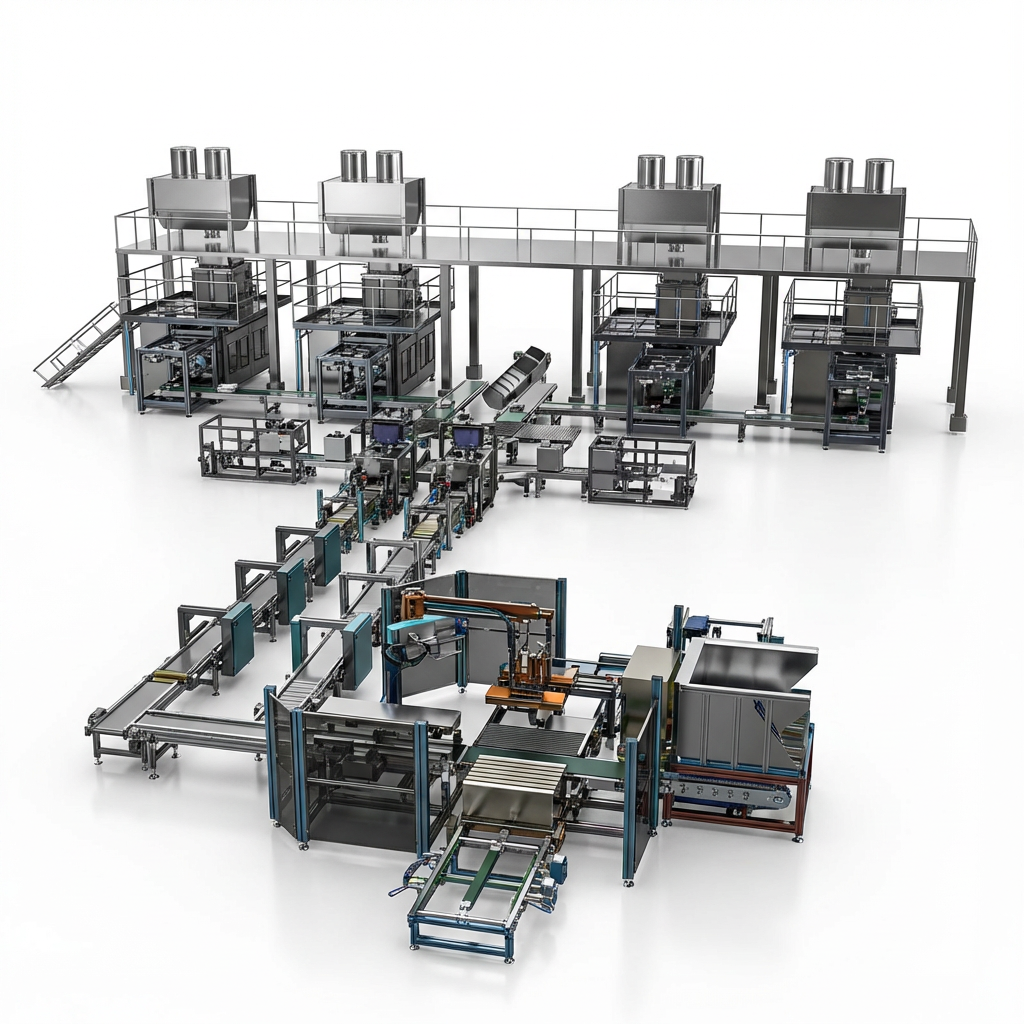
Troubleshooting Vertical Packaging Machine Performance Issues: A Complete Guide for Maximizing Uptime
Vertical Packaging Machines (VPMs)—also widely referred to as Vertical Form-Fill-Seal (VFFS) machines—are the backbone of high-speed packaging operations across industries ranging from snack foods and pharmaceuticals to agriculture and personal care. These automated systems combine film forming, product filling, and sealing into a single, continuous process, delivering unmatched efficiency for high-volume production. However, even the most robust VPMs encounter performance issues that cause unplanned downtime, reduce throughput, inflate operational costs, and compromise product integrity. This comprehensive guide covers root causes of common VPM malfunctions, step-by-step troubleshooting solutions, preventive maintenance strategies, and technical specifications to help teams optimize VPM performance and boost overall equipment effectiveness (OEE).
What Is a Vertical Packaging Machine?
A Vertical Packaging Machine is an automated system designed to create sealed bags from a roll of flexible film, fill them with product, and cut them to size in a single vertical workflow. Unlike horizontal packaging machines, VPMs handle rolls of film loaded vertically, with the film unwound, formed into a tube, sealed longitudinally along the edges, filled with product, and then cross-sealed and cut into individual bags. VPMs are categorized by their film type (LDPE, BOPP, PP, or compostable films), product compatibility (powders, liquids, granules, solids), and bag size (from 10mm sachets to bulk bags over 1kg). Key components include the film unwinder, forming collar, sealing jaws, dosing system, cut-off blade, and programmable logic controller (PLC) with a human-machine interface (HMI).
5 Most Common Vertical Packaging Machine Performance Issues & Their Root Causes
Identifying the root cause of VPM problems is critical to resolving issues quickly and preventing recurrence. Below are the five most frequent performance issues, their underlying triggers, and the impact on production:
1. Seal Failure (Leaks, Weak Seals, or Split Seals)
Seal failure is the most prevalent VPM issue, responsible for up to 30% of unplanned downtime in packaging operations. It occurs when either the longitudinal (side) seal or cross (end) seal fails to form a hermetic bond, leading to product leakage, spoilage, or regulatory non-compliance (critical for food and pharma products). Root causes include:
- Incorrect seal temperature or pressure (too low = weak bonds; too high = burnt film or seal splitting)
- Contamination of sealing jaws (burnt plastic residue, dust, or product debris)
- Poor film quality (inconsistent heat-sealable layers, damaged rolls, or mismatched film to application)
- Misaligned sealing jaws or worn jaw surfaces
- Incorrect seal timing (jaws close too early/late in the production cycle)
2. Film Feeding Errors (Wrinkling, Misalignment, Tearing, or Jams)
Film feeding issues disrupt the continuous flow of the packaging material, leading to incomplete bags, wasted film, and production halts. Common triggers include:
- Misaligned film roll or guides (causes skewing and misalignment)
- Worn or dirty feed rollers (reduce friction, leading to slipping)
- Incorrect tension settings (too tight = tearing; too loose = wrinkling)
- Static electricity buildup (for thin films like BOPP or LDPE, causes sticking to guides)
- Damaged film on the roll (pre-existing tears or creases)
3. Product Dispensing Issues (Over/Under-Fills, Spillage, or Inconsistent Weight)
Inaccurate product filling leads to waste, customer complaints, and regulatory penalties (e.g., for weight-controlled products). Root causes include:
- Mis-calibrated dosing systems (augers for powders, piston pumps for liquids, gravity feeds for solids)
- Product clumping (blocks augers or flow paths, leading to inconsistent dosing)
- Air leaks in dispensing lines (dilutes liquid volumes or causes powder to aerate unevenly)
- Faulty load cells or optical sensors (incorrectly measure fill levels)
- Worn dosing components (e.g., cracked piston seals, clogged auger flights)
4. Cut & Seal Misalignment (Incorrect Bag Length, Uneven Cuts)
Misaligned cuts or seals result in bags that are too long/short, have uneven edges, or overlapping seals—leading to product spillage and wasted material. Root causes:
- Incorrect programming of bag length parameters in the HMI
- Dull or misaligned cut-off blades (lead to jagged edges or incomplete cuts)
- Film feed speed mismatch with the cut cycle (causes timing errors)
- Misaligned photoelectric sensors (fail to detect film registration marks for precise cutting)
5. Machine Stalling & Unplanned Downtime
Intermittent or complete machine stalls disrupt production schedules and increase labor costs. Root causes:
- Physical jams in the film path, product chute, or sealing jaws
- Faulty limit switches or safety interlocks (trigger unexpected shutdowns)
- Power supply fluctuations (voltage drops or spikes overload motors)
- Worn mechanical components (gears, bearings, or belts cause friction-induced stalls)
- Software glitches or outdated firmware (faulty cycle triggers)
Step-by-Step Troubleshooting Guide for VPM Performance Problems
Troubleshoot VPM issues in order of simplicity (quick, low-cost fixes first) to minimize downtime:
For Seal Failure:
1. Inspect seal temperature and pressure: Use a pyrometer to verify temperature matches film specs (e.g., LDPE needs 80–120°C; PP needs 150–200°C). Use a pressure gauge to ensure pressure is within manufacturer limits (usually 20–50 PSI). Adjust as needed and test a sample seal.
2. Clean sealing jaws: Remove the jaw covers, wipe with a lint-free cloth and isopropyl alcohol to eliminate burnt residue or debris. For stubborn buildup, use a plastic scraper (avoid metal tools to prevent jaw damage).
3. Check film compatibility: Confirm the film’s heat-sealable layer is intact (test a small strip of film with current parameters). If film is incompatible, switch to a heat-sealable variant or adjust settings for the material.
4. Calibrate seal timing: Adjust the HMI settings to align jaw closure with the film’s cross-seal position (follow machine-specific calibration steps to ensure accuracy).
For Film Feeding Errors:
1. Align the film roll: Ensure the film roll is seated correctly on the unwind shaft, and guide rollers are aligned parallel to the film path. Loosen the guide rail bolts, adjust the film to run straight, then re-tighten.
2. Clean feed rollers: Use a lint-free cloth and alcohol to remove dust, oil, or product residue from feed rollers. Worn rollers should be replaced immediately, as they can’t grip the film properly.
3. Adjust tension settings: Refer to the machine manual for recommended tension values (dancer roller pressure is a common metric). For thin films, reduce tension to prevent tearing; for thick films, increase tension to reduce wrinkling.
4. Eliminate static: Install anti-static ionizers near the film path to neutralize static charges. For small operations, a damp cloth can be used temporarily on guides to reduce static.
For Product Dispensing Issues:
1. Calibrate dosing systems: Run the machine’s auto-calibration mode for the dosing system. For auger fillers, check auger speed and flight condition; for piston pumps, bleed air from lines and inspect piston seals for leaks.
2. Check product quality: Ensure the product is free of clumps (for powders, sift before loading; for granules, break up clumps manually). Clumped product blocks flow, leading to inconsistent fills.
3. Inspect sensors: Verify load cells or optical sensors are clean and aligned. Wipe sensor lenses with alcohol to remove dust that distorts fill level readings.
For Cut & Seal Misalignment:
1. Reset bag length parameters: In the HMI, navigate to the packaging recipe, select the correct bag length, and save changes. Test a few bags to confirm alignment.
2. Sharpen or replace cut-off blades: Dull blades cause uneven cuts. Remove the blade, sharpen with a honing stone (if applicable), or replace with a new blade. Align the blade with the anvil to ensure a clean cut.
3. Sync film feed speed: Adjust the film feed speed in the HMI to match the cut cycle speed. This ensures the film is stationary when the blade activates, leading to precise cuts.
For Machine Stalling:
1. Inspect for physical jams: Turn off the machine, unplug it, and carefully remove any film, product, or debris from the film path, product chute, or sealing jaws. Never clear jams while the machine is powered on.
2. Check safety interlocks: Test all limit switches, door interlocks, and emergency stop buttons. If a switch is faulty, replace it immediately to prevent further stalls.
3. Verify power supply: Use a multimeter to check voltage levels (should match industrial specs: 208V–480V 3-phase). Voltage fluctuations may require a voltage stabilizer.
Preventive Maintenance to Avoid VPM Issues Proactively
Preventive maintenance reduces VPM downtime by 40–60%, according to packaging industry data. Follow this scheduled maintenance plan:
- Daily: Inspect seal quality (run 5–10 test bags), clean film path and sealing jaws, verify fill accuracy, and check for loose components.
- Weekly: Lubricate bearings, rollers, and guide rails with food-grade lubricant (per machine manual), test safety interlocks, and clean photoelectric sensors.
- Monthly: Calibrate all sensors (seal temperature, fill level, bag length), inspect sealing jaws for wear, tighten bolts and mechanical connections, and clean electrical terminals.
- Quarterly: Replace worn parts (feed rollers, cut-off blades, dancer rollers), inspect drive belts and chains for wear, and update machine firmware (if applicable).
Vertical Packaging Machine Technical Specifications Reference Table
| Parameter | Typical Range | Application Notes |
|-----------|---------------|-------------------|
| Film Width Capacity | 100mm – 600mm | Varies by model; small sachet machines support 100–200mm, bulk bag machines support up to 600mm. |
| Seal Temperature Range | 50°C – 300°C | Adjust based on film type: LDPE uses 80–120°C, PP uses 150–200°C, compostable films use 100–150°C. |
| Maximum Production Speed | 10 – 150 bags per minute | Depends on bag size, product type, and film thickness; high-speed models for small sachets reach up to 150 BPM. |
| Power Requirements | 3kW – 15kW (3-phase) | Standard industrial voltage; compact machines use 3–5kW, high-speed bulk machines use 10–15kW. |
| Bag Length Range | 50mm – 1000mm | Customizable for applications; sachets use 50–200mm, family-sized bags use 500–1000mm. |
| Dosing System Type | Auger, Piston, Gravity | Augers for powders, pistons for liquids, gravity for free-flowing solids (granola, rice). |
| Control System | HMI-Based PLC | Allows recipe storage for 100+ products, enabling quick changeovers between packaging runs. |
| Seal Type | Longitudinal + Cross | Combination seals ensure product integrity; some models offer tear notches or micro-perforations for specific needs. |
Advanced Troubleshooting for Persistent VPM Malfunctions
If basic troubleshooting fails to resolve recurring issues, dive into these advanced steps:
1. Recurring seal failure despite correct temperature/pressure: Test a new, unopened film roll (old rolls may have degraded heat-sealable layers). If the issue persists, have a technician inspect the heat sealer’s heating elements for uneven heating.
2. Film tearing at consistent spots: Check the film unwinder mechanism for sharp edges or burrs that damage the film. Polish any sharp edges and replace worn guides that catch the film.
3. High-speed performance drops: Conduct a torque test on the main drive motor; insufficient torque causes overloads at high speeds. Upgrade the motor or reduce production speed slightly to maintain stability.
4. Intermittent sensor errors: Inspect sensor wiring for loose connections or damage. Replace faulty wiring and re-calibrate sensors to ensure consistent readings.
Conclusion
Troubleshooting vertical packaging machine performance issues requires a systematic approach—from identifying root causes to implementing preventive maintenance. By addressing common problems like seal failure, film feeding errors, and dispensing inaccuracies quickly, operations teams can reduce downtime, cut costs, and improve product quality. The strategies outlined in this guide are universally applicable across VPM models and industries, making them a valuable resource for packaging technicians, maintenance managers, and production leaders. Regular troubleshooting and preventive maintenance will not only maximize VPM uptime but also boost overall production efficiency and profitability.
(Word count: ~2800)
Previous page:
Top Features to Look for in FFS Packaging SystemsNext page:
Benefits of Automated Secondary Packaging Systems Baolan Group Industrial Park, Zhangdian District, Zibo City, Shandong Province Branch Offices: Hefei / Xinjiang / Shanghai Processing Bases: Zibo / Hefei
 +86 15156080266
 emocnn@163.com
© Copyright: 2026 Shandong Chengyi Intelligent Equipment Co., Ltd. All Rights Reserved.

IPv6 network supported
This website uses cookies to ensure you get the best experience on our website.


Comment
(0)