




News

Custom Secondary Packaging Lines for Retail Ready Products
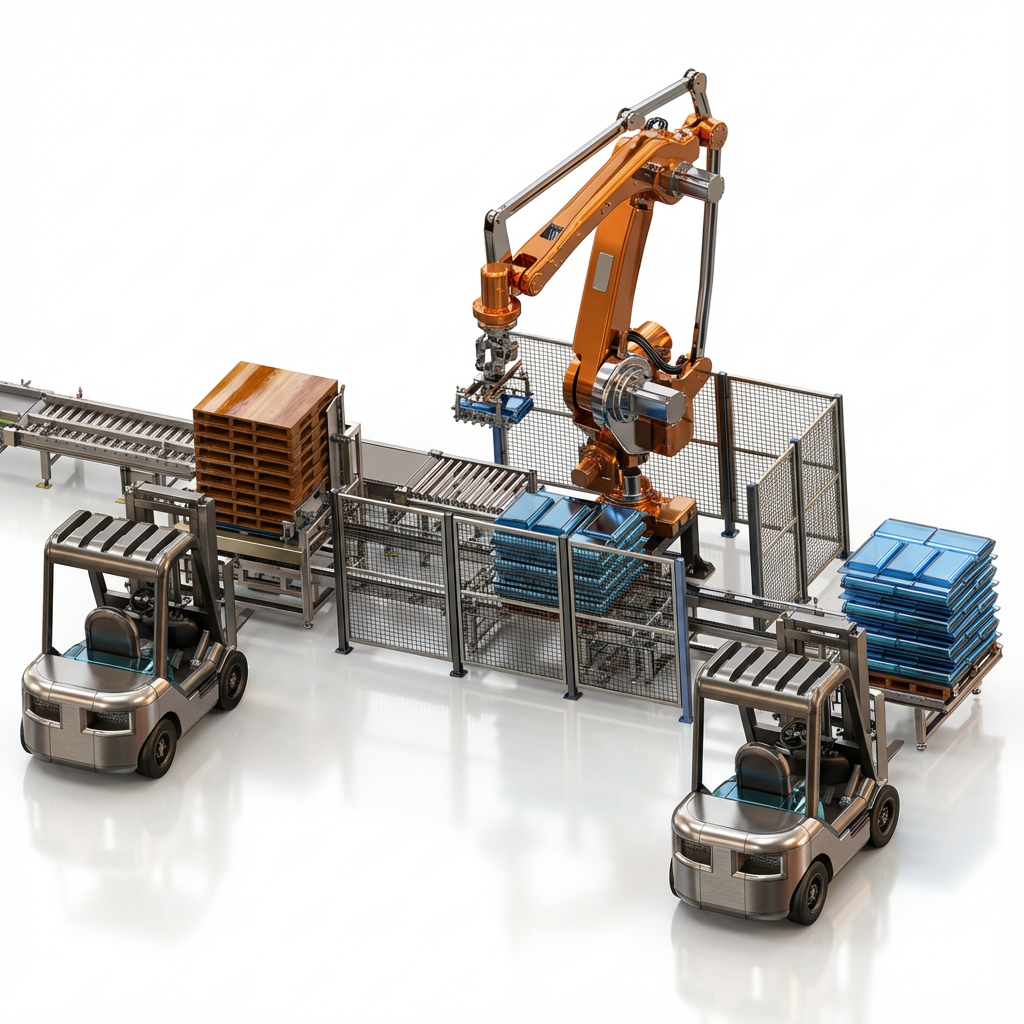
Custom Secondary Packaging Lines for Retail Ready Products: A Complete Guide for Brands & Retailers
In today’s fast-paced global retail landscape, the pressure to deliver products that are shelf-ready, consistent, and cost-effective has never been higher. Retail Ready Products (RRP) – those that arrive at store floors pre-packaged, pre-labeled, and ready to place on shelves without additional assembly or labeling work – are no longer a luxury but a necessity for brands aiming to secure shelf space and meet retailer compliance standards. At the core of efficient RRP delivery are custom Secondary Packaging Lines: automated, tailored systems designed to handle the grouping, packing, branding, and preparation of products for distribution while adhering to specific retail and brand requirements. This guide explores everything brands and operations teams need to know about custom Secondary Packaging Lines, from their core components and advantages to key specifications, use cases, and how to select the right solution for your business.
Core Definition of Custom Secondary Packaging Lines for Retail Ready Products
To fully grasp the value of custom secondary packaging lines, it’s essential to clarify key industry terms:
- Primary packaging: The direct packaging that holds and protects a single product (e.g., a shampoo bottle, snack wrapper, or medicine blister pack).
- Secondary packaging: The layer that groups multiple primary products into a single unit for shipping, storage, and in-store display. For Retail Ready Products, secondary packaging is not just a shipping container – it’s a tool that streamlines in-store operations.
Unlike generic, one-size-fits-all secondary packaging lines, custom secondary packaging lines are engineered to match a brand’s unique product attributes, packaging formats, retail partner requirements, and production volume. These lines eliminate the inefficiencies of manual or semi-automated packing, ensuring that every secondary package meets both brand aesthetics and retailer RRP standards. For example, a snack brand targeting Walmart will need a line that aligns with Walmart’s RRP dimensions, while a pharmaceutical company will require systems that meet FDA sterile packaging guidelines.
Key Components of Custom Secondary Packaging Lines
Every custom secondary packaging line is built with modular components, adjusted to fit specific product and operational needs. The table below outlines the core components and their customization relevance:
| Component Name | Primary Function | Customization Relevance |
|-------------------------------|----------------------------------------------------------------------------------|----------------------------------------------------------------------------------------|
| Product Infeed Conveyors | Transport primary packed products from upstream production lines to the secondary packing system | Adjusted for product size, weight, and fragility; include anti-slip or cushioned surfaces to prevent damage |
| Case & Tray Forming Units | Erect corrugated cases or form trays to hold grouped primary products | Customizable to match packaging material (standard, recycled, or specialty corrugated) and specific pack dimensions |
| Branding Application Modules | Apply brand assets like logos, promotional text, QR codes, or brand colors to secondary packaging | Tailored to integrate with print technologies (flexo, digital) and align with brand visual identity |
| Scannable Labeling & Coding Systems | Add GS1-compliant barcodes, expiration dates, or serial numbers on secondary packs | Configurable for multiple barcode formats (UPC, EAN, 2D codes) to meet retailer scanning requirements |
| Closing & Sealing Units | Secure cases or trays (via tape, glue, or stitching) to protect products during transit | Adaptable to different sealing methods based on product type and shipping conditions |
| Quality Inspection Stations | Check for packaging errors (missing labels, misaligned branding, damaged packs) | Customized to detect defects specific to a brand’s packaging design (e.g., incorrect logo placement) |
| Outfeed Conveyors & Palletizers | Transport finished secondary packs to storage or shipping areas; stack on pallets for distribution | Adjustable for pallet sizes and stacking patterns, compatible with warehouse automation systems |
Each component plays a critical role in ensuring seamless operations, and custom adjustments are what set tailored lines apart from standard systems. For instance, a brand producing fragile glass bottles will need infeed conveyors with shock-absorbing liners, while a fast-moving snack manufacturer will require case forming units that process lightweight packs at high speeds. This level of customization eliminates bottlenecks and reduces product damage that generic lines often cause.
Advantages of Custom Secondary Packaging Lines for Retail Ready Products
Investing in a custom secondary packaging line delivers measurable benefits for brands and retailers alike, addressing key pain points of traditional packing methods:
1. Meeting Retailer RRP Compliance Standards
Major retailers (Walmart, Target, Amazon, Tesco) have strict RRP guidelines that specify packaging dimensions, barcoding requirements, label placement, and shelf display readiness. Non-compliant packaging leads to chargebacks, delayed shelf placement, or lost shelf space – making this a critical advantage. Custom lines are engineered to adhere to these standards, so secondary packs arrive at stores ready to place on shelves without manual rework. For example, Amazon’s Frustration-Free Packaging (FFP) requirements specify minimal packaging and easy opening; custom lines can design packs that meet these rules while maintaining product protection.
2. Reducing Operational Costs & Labor Dependence
Manual secondary packing requires large teams, especially for high production volumes. Custom automated lines cut labor costs by up to 50% (per industry operational data) by replacing repetitive tasks with machines. They also minimize human errors like misaligned labels or incorrect pack counts, which lead to wasted materials and rework. Over time, the return on investment (ROI) from reduced labor and waste far outweighs the upfront cost of a custom line.
3. Ensuring Consistent Brand Aesthetics
Brand consistency is key to building customer recognition and trust. Custom lines integrate branding elements seamlessly into secondary packaging, ensuring every case or tray has the same logo, promotional message, or design. Generic lines often struggle with precise branding placement, leading to inconsistent packaging that harms brand identity – a major issue for premium brands that rely on visual appeal to stand out.
4. Enhancing Product Protection & Transit Safety
Custom secondary packaging is tailored to fit products exactly, reducing empty space inside packs to minimize movement during transit. This lowers the risk of damage (dents, breaks, spillage) for fragile or high-value items like electronics or cosmetics. Custom lines also use appropriate materials and sealing methods based on shipping conditions: heavy-duty cases for overseas transport, moisture-resistant materials for perishables, and anti-static packaging for tech products.
5. Scalability for Growing Business Needs
As a brand expands its product line or increases production volume, custom lines can be modified or scaled to accommodate new requirements. Unlike fixed standard lines, custom secondary packing systems are modular, so you can add components (like higher-speed conveyors or additional labeling units) as needed. This flexibility helps brands avoid the cost of replacing their entire packaging system when entering new markets or launching new products.
6. Supporting Sustainable Packaging Goals
Many brands are shifting to eco-friendly secondary packaging (recycled corrugated, biodegradable materials). Custom lines can be adjusted to work with these materials without compromising speed or quality, aligning with consumer demand for sustainable brands and retailer sustainability targets. For example, a brand moving to 100% recycled corrugated can have a custom line modified to handle this material without jams or increased waste.
Custom Specifications & Standards for RRP Secondary Packaging Lines
The table below outlines key specifications that define custom secondary packaging lines, tailored to meet industry and business needs:
| Specification Category | Typical Custom Range | Industry Relevance |
|----------------------------------|--------------------------------------------------------|-------------------------------------------------------------------------------------|
| Line Speed (Units per Minute) | 10–150+ units per minute | FMCG snacks = 80–150 units/min; pharma = 10–40 units/min (adjusted for fragility) |
| Pack Format Compatibility | Cases, trays, shrink wraps, corrugated sleeves | Trays for shelf display; cases for bulk shipping (aligned with retail partner needs) |
| Product Dimensions Accommodation | Width: 50mm–1200mm; Height: 30mm–800mm; Length: 100mm–1500mm | Fits primary product packs, avoiding over-sized or under-sized secondary packs |
| Material Compatibility | Corrugated (standard, recycled, micro-flute), cardboard, shrink film | Designed to process your preferred material without jams or damage |
| Branding Integration Options | Digital printing, flexographic printing, label application | Supports on-demand branding for limited-edition or regional campaigns |
| Weight Capacity Per Pack | 0.5kg–50kg+ per secondary unit | Light cosmetics = 0.5–5kg; heavy electronics =10–50kg |
| Compliance Certifications | GS1 barcoding, ISO 9001, FDA (food/pharma), CE (EU) | Ensures adherence to global retail and regulatory standards |
| Modularity & Reconfigurability | 20%–50% of line components adjustable for new products | Enables quick changes for new lines without full replacement |
For example, a European snack brand will need a line with CE certification and shrink wrap capability at 100 units per minute, while a US pharmaceutical company will prioritize FDA compliance and low-speed packing for sterile vials. These specifications are not generic – custom lines are built to match your unique operational and product needs.
Industry Use Cases for Custom Secondary Packaging Lines
Custom secondary packaging lines serve a wide range of sectors, with tailored solutions addressing industry-specific challenges:
1. Fast-Moving Consumer Goods (FMCG): For snacks, beverages, and personal care brands, custom lines optimize for high speed and retailer RRP compliance. They often integrate digital branding for seasonal limited-edition packs, reducing the need for manual label changes.
2. Pharmaceuticals & Healthcare: Secondary packaging here requires strict FDA/ISO compliance for serialization and track-and-trace coding. Custom lines include sterile zones to prevent contamination and handle blister packs or vials with precise, low-speed packing.
3. Electronics & Tech: Small gadgets (headphones, chargers) need anti-static secondary packaging to prevent scratches and damage. Custom lines form precise trays to fit each device, reducing transit damage and meeting retailer RRP display requirements.
4. Cosmetics & Premium Goods: Premium cosmetic brands rely on secondary packaging with custom branding (embossed logos, foil stamping) for shelf appeal. Custom lines integrate decorative printing to ensure every pack matches luxury brand aesthetics.
5. Food & Beverage: Perishables like frozen foods or fresh produce need moisture-resistant secondary packaging and temperature monitoring labels. Custom lines adhere to FDA food safety standards, while optimizing speed for high-volume seasonal demand.
How to Select the Right Custom Secondary Packaging Line
Choosing a custom line requires careful planning to align with your business goals. Follow these key steps:
1. Assess Product Needs: Document your product’s size, weight, fragility, and special requirements (e.g., sterile handling for pharma) to ensure components match.
2. Align with Retail Standards: List RRP guidelines for your target retailers to avoid compliance issues.
3. Calculate Volume Scalability: Plan for current and future production (3–5 years) to choose a modular line that can expand without full replacement.
4. Evaluate Integration: Ensure the line integrates with your existing ERP, warehouse management system (WMS), or quality control tools for seamless operations.
5. Factor in Maintenance: Choose suppliers with dedicated support, spare parts, and team training to keep the line running efficiently.
6. Focus on Total Cost of Ownership (TCO): Prioritize long-term value (labor savings, reduced waste, compliance) over upfront cost – a high-quality custom line delivers better ROI than a cheaper generic alternative.
Future Trends in Custom Secondary Packaging Lines
The custom secondary packaging industry is evolving to meet changing retail and consumer demands:
- AI-Powered Predictive Maintenance: New lines use AI to monitor component performance and predict maintenance needs, reducing downtime for high-volume operations.
- Sustainable Material Integration: Lines are being modified to handle recycled, biodegradable, and plant-based packaging without sacrificing speed or quality.
- IoT-Enabled Quality Control: Sensors track every step of packing, providing real-time data on quality and compliance to meet retailer traceability requirements.
- Quick-Change Modularity: Future lines will let brands switch between product formats in minutes, supporting faster product launches and market responsiveness.
Conclusion
Custom Secondary Packaging Lines for Retail Ready Products are a critical investment for brands looking to succeed in modern retail. They solve core challenges like compliance, labor costs, product damage, and brand consistency, while supporting scalability and sustainability goals. By understanding the components, specifications, and selection criteria outlined in this guide, brands can choose a tailored line that aligns with their unique needs, improves operational efficiency, and secures long-term success with retailers and customers alike. As retail continues to evolve, custom secondary packaging lines will remain a key strategy for standing out on shelves and meeting the demands of a fast-paced global market.
 Baolan Group Industrial Park, Zhangdian District, Zibo City, Shandong Province Branch Offices: Hefei / Xinjiang / Shanghai Processing Bases: Zibo / Hefei
 +86 15156080266
 emo@cyznpack.com
© Copyright: 2026 Shandong Chengyi Intelligent Equipment Co., Ltd. All Rights Reserved.

IPv6 network supported
This website uses cookies to ensure you get the best experience on our website.


Comment
(0)