




News

Easy Integration of Case Packing Systems into Existing Lines
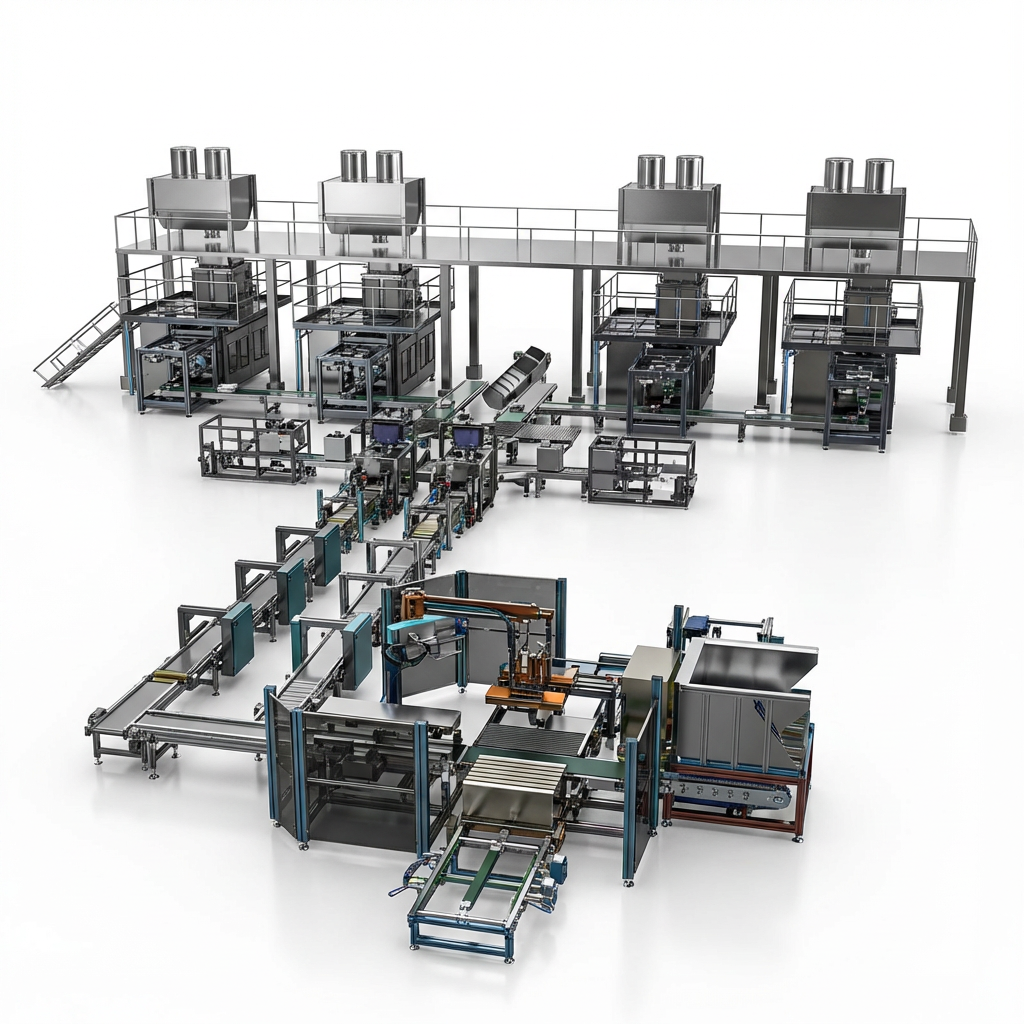
For modern manufacturing operations, the pressure to meet increasing order volumes, product diversity, and efficiency targets often means upgrading critical packaging lines—without the downtime and costs associated with full line replacements. The ability to integrate new Case Packing Systems into existing production lines is no longer a luxury; it’s a strategic necessity that drives competitiveness, reduces operational disruption, and maximizes return on assets. This guide explores everything manufacturers need to know about easy integration of Case Packing Systems, from core principles to actionable steps, benefits, and specifications that support seamless line upgrades.
Easy-to-integrate case packing systems are pre-engineered, modular packaging solutions designed to work in harmony with existing production line hardware, software, and workflows—eliminating the need for costly full line overhauls. Unlike traditional custom-built case packing systems, which are tailored from scratch to fit a specific new line, these systems leverage standardization, plug-and-play components, and backward-compatible technology to sync with legacy equipment. Key features include interoperability with common conveyor systems, compatibility with standard industrial communication protocols (such as Ethernet/IP, Profinet, and Modbus), and modularity that allows incremental additions or adjustments as production needs evolve. For manufacturers looking to avoid the capital expenditure and lead times of new line installations, these systems offer a flexible, cost-effective alternative that aligns with existing operational infrastructure.
Integration of case packing systems into existing lines addresses three major pain points for manufacturers: downtime, cost, and inflexibility. Traditional line upgrades often require halting production for weeks to remove old equipment, reconfigure layouts, and install new systems—resulting in lost revenue and delayed order fulfillment. Easy integration mitigates this by minimizing installation time and parallelizing setup with existing operations. Additionally, reusing existing conveyor systems, control hardware, and labor skills reduces capital costs by up to 40% compared to full line replacements, according to industry data from packaging automation analysts. Finally, modular, easy-to-integrate systems support rapid adaptation to changing product demands—such as new product sizes or packaging formats—without requiring major rework, making them ideal for businesses in fast-paced consumer goods, pharmaceutical, or e-commerce packaging sectors.
One of the foundational principles of easy integration is ensuring the new case packing system works with the line’s existing PLC (Programmable Logic Controller), HMI (Human-Machine Interface), and communication protocols. Most legacy lines use common protocols like Modbus or Ethernet/IP, so selecting a modular case packing system that supports these standards eliminates the need for costly protocol converters or full control system overhauls. For lines with older PLC models, look for systems that offer backward compatibility, with built-in adapters to connect to non-standard communication ports without modifying existing hardware.
Modularity is at the heart of easy integration. Case packing systems designed with discrete, pre-tested modules (like case erectors, top-loading robots, grippers, and conveyors) allow for quick assembly and connection on-site. Plug-and-play connectors for power, data, and air lines reduce installation time by eliminating custom wiring and plumbing work. Pre-configured modules also mean that teams can start testing individual components even before full on-site installation, catching issues early and avoiding delays during startup.
Existing lines often use conveyors with specific widths, roller types, or belt materials. Easy-integrate case packing systems feature standardized conveyor interfaces that fit common industry conveyor dimensions—typically 18 to 36 inches wide for standard packaging lines. This means the system can connect directly to existing conveyors without modifying their layout or structure, reducing installation complexity and space requirements. For lines with non-standard conveyors, adjustable mounting brackets and quick-connect roller adapters ensure a seamless fit without custom fabrication.
Most production lines already include sensors (for product presence, dimension checks) and vision systems (for quality control or packaging verification). Easy-integrate case packing systems sync with these existing components, either through native support or simple integration kits. For example, a top-loading case packing system can use existing product presence sensors to trigger pick-and-place operations, eliminating the need for additional sensors that require calibration or integration work. This compatibility also ensures consistent quality checks across the line, avoiding gaps in inspection processes.
Remote connectivity features are increasingly critical for easy integration, as they allow technicians to monitor and adjust the case packing system without being on-site. Modular systems with built-in IoT capabilities can connect to the line’s existing network, enabling real-time performance tracking, error diagnosis, and software updates. This reduces the need for on-site technical support during integration and startup, cutting downtime and ensuring the system is up and running quickly after installation.
The first step to successful easy integration is a comprehensive audit of the existing production line. This audit should capture key details: conveyor speed (cases per minute, CPM), product specifications (dimensions, weight, packaging material), control system type and communication protocols, line layout and available space, and current bottlenecks (like accumulation points or slow stations). The goal is to identify any potential compatibility issues—such as conveyor width mismatches or incompatible PLC protocols—and address them early, before selecting a case packing system. For example, if the existing line runs at 60 CPM, the new case packing system must be rated to handle that speed to avoid creating new bottlenecks.
Based on the audit results, choose an easy-to-integrate case packing system that matches the line’s requirements. Common options include top-loading robotic case packers, end-loading case packers, and random case erectors. For lines with variable product sizes, look for systems with quick-change modules (like adjustable grippers or case size settings) that can be configured without tools or extensive programming. Ensure the system supports the line’s communication protocol and conveyor dimensions to minimize integration work.
Most easy-integrate systems are pre-configured at the manufacturer’s facility, but taking the time to test the system with mock products or the line’s actual products during factory testing is critical. This step ensures that the system works as intended, identifies any compatibility issues early, and reduces on-site setup time. For example, testing a robotic case packer with the line’s product dimensions can reveal if gripper adjustments are needed before the system is shipped, avoiding delays during installation.
Site preparation involves clearing space for the new system, ensuring power and air connections are available, and marking existing line connection points. Parallel installation is a key strategy for minimizing downtime: install the new case packing system alongside the existing line while the line is still operating. This means the line remains productive during setup, and once testing is complete, operators can switch over to the new system quickly, with only a short production pause (usually less than 24 hours) instead of weeks of downtime.
Commissioning involves connecting the new system to the existing line, running test cycles, and verifying that all components work together. This includes checking that the system syncs with the line’s PLC, that products are packed correctly, and that any existing vision or sensor systems function as intended. Staff training is equally important: ensure operators and maintenance teams are familiar with the new system’s HMI, quick-change processes, and basic troubleshooting steps. Many modular systems include intuitive training modules or virtual guides to simplify this process, reducing the learning curve.
After commissioning, ongoing support ensures the system remains integrated effectively. This includes remote monitoring for performance issues, regular software updates, and minor adjustments to adapt to changing production needs. For example, if the line starts handling a new product size, the system’s modular components can be adjusted quickly with the help of remote technical support, avoiding major rework. Post-integration optimization also involves tracking key metrics like throughput, downtime, and error rates to ensure the system is delivering the expected benefits.
The table below outlines key performance and integration metrics, highlighting the advantages of easy-integrate modular systems for existing line upgrades:
| Integration Aspect | Easy-Integrate Modular Case Packing Systems | Traditional Custom-Built Case Packing Systems |
|---|---|---|
| Installation Time | 1–5 days (parallel installation + plug-and-play modules) | 2–6 weeks (full line overhaul + custom fabrication) |
| Capital Expenditure (CAPEX) | 20–40% lower (reuses existing line hardware) | Higher (requires new conveyors, controls, and custom parts) |
| Downtime During Setup | <1 day (minimal disruption to existing production) | 3–7 days (full line shutdown for reconfiguration) |
| Compatibility with Existing Line Hardware | High (supports standard protocols, standardized interfaces) | Low (custom-built for new lines, no legacy compatibility) |
| Scalability and Flexibility | High (add modules in hours; adjust to new product sizes in minutes) | Low (requires major rework or replacement to adapt to changes) |
| Total Cost of Ownership (TCO) Over 3 Years | 30–50% lower (minimal maintenance, no line replacement costs) | Higher (frequent upgrades, downtime costs, higher maintenance) |
The most immediate benefit of easy integration is reduced downtime. Parallel installation and quick plug-and-play setup mean manufacturers avoid shutting down entire lines for weeks, a critical advantage in industries where every hour of lost production translates to lost revenue. For example, a consumer goods manufacturer upgrading their line with an easy-integrate case packing system can switch over in less than a day, compared to 4+ weeks for a traditional system, allowing them to meet holiday order deadlines without delays.
By reusing existing conveyors, PLCs, and operator skills, easy integration cuts CAPEX by 20–40% compared to full line replacements. Additionally, modular systems have lower maintenance costs: individual modules can be repaired or replaced without shutting down the entire system, and they require fewer custom parts. Over a 3-year period, this results in a 30–50% lower TCO, according to packaging industry research.
Easy-integrate case packing systems are designed to sync with existing line speeds, eliminating bottlenecks that can occur with mismatched equipment. Modular robotic systems can handle high speeds (up to 120 cases per minute) and reduce error rates by up to 25% compared to manual case packing, boosting overall line throughput. For e-commerce and food packaging operations, this efficiency directly translates to faster order fulfillment and higher customer satisfaction.
Modern markets demand flexible production—products change sizes, packaging formats, or volumes quickly. Easy-integrate modular systems can adapt to these changes without major investment. For example, a pharmaceutical manufacturer switching from 10-count to 20-count product packs can adjust the case packing system’s grippers and case size settings in minutes, vs. days or weeks for a traditional system. This flexibility helps manufacturers respond to market trends and seasonal fluctuations with agility.
The combination of lower costs, shorter installation times, and higher efficiency leads to a much faster ROI. For most easy-integrate case packing projects, ROI is achieved in 12–18 months, compared to 3–5 years for traditional line replacements. This makes easy integration an attractive option for small to mid-sized manufacturers and large enterprises alike looking to upgrade their packaging lines without tying up capital for long periods.
One of the most common challenges is integrating new case packing systems with older PLCs or communication protocols. For lines using vintage PLC models that don’t support modern standards, the solution is to select a modular system with built-in protocol converters (like Modbus to Ethernet/IP adapters) that require no modifications to the existing control hardware. This avoids the cost and complexity of replacing the entire control system just to add a new case packing unit.
Many manufacturing facilities have limited space around existing lines, making it hard to fit new equipment. Easy-integrate systems are designed with compact, space-saving modules—like vertical robotic arms or narrow case erectors—that fit into existing line footprints. Some systems also offer corner or under-line mounting options, allowing integration without expanding the facility’s layout.
Lines handling multiple product sizes often struggle with fixed case packing equipment that requires extensive reconfiguration. The solution is to choose a system with quick-change features: adjustable grippers, tool-less case size adjustments, and recipe-based settings that allow operators to switch between products in minutes without programming expertise. Modular systems with interchangeable parts further simplify adaptation to new products.
Even with intuitive systems, operators may face learning curves when using new equipment. To address this, select case packing systems with user-friendly HMIs, pre-built training modules, and remote support. Many modular system providers offer on-site training for key operators and maintenance teams, plus virtual guides that walk through daily tasks like quick changes and troubleshooting. This ensures smooth adoption and reduces the risk of human error during operation.
The field of easy integration for case packing systems is evolving rapidly, with new technologies streamlining the process even further. One key trend is the use of digital twins: virtual replicas of the production line that allow manufacturers to test and simulate case packing integration before physical installation. This virtual testing identifies compatibility issues and optimizes layout, reducing on-site setup time by up to 30%. Another trend is AI-powered predictive integration: systems that analyze existing line data (speed, error rates, product specs) to automatically recommend the best modular components and integration steps, eliminating manual audits. IoT-enabled systems will also become more common, offering real-time sync with existing line software and self-adapting to changes in production without manual intervention.
Easy integration of case packing systems into existing lines is a strategic approach that balances efficiency, cost, and flexibility for modern manufacturers. By leveraging modular design, standardized protocols, and parallel installation, businesses can upgrade their packaging lines without the downtime and high costs of full line replacements. From pre-integration audits to post-installation support, following core principles and a step-by-step process ensures seamless integration that delivers immediate benefits—including reduced downtime, lower TCO, and higher throughput. As technology continues to advance, easy integration will become even more accessible, empowering manufacturers to adapt to changing market demands and stay competitive in a fast-paced global landscape. For any operation looking to enhance its packaging line performance, easy integration of case packing systems is not just a solution—it’s a pathway to long-term success.
 Baolan Group Industrial Park, Zhangdian District, Zibo City, Shandong Province Branch Offices: Hefei / Xinjiang / Shanghai Processing Bases: Zibo / Hefei
 +86 15156080266
 emocnn@163.com
© Copyright: 2026 Shandong Chengyi Intelligent Equipment Co., Ltd. All Rights Reserved.

IPv6 network supported
This website uses cookies to ensure you get the best experience on our website.


Comment
(0)