




News

Heavy Duty Powder Packaging Machines for Cement and Mineral Powders
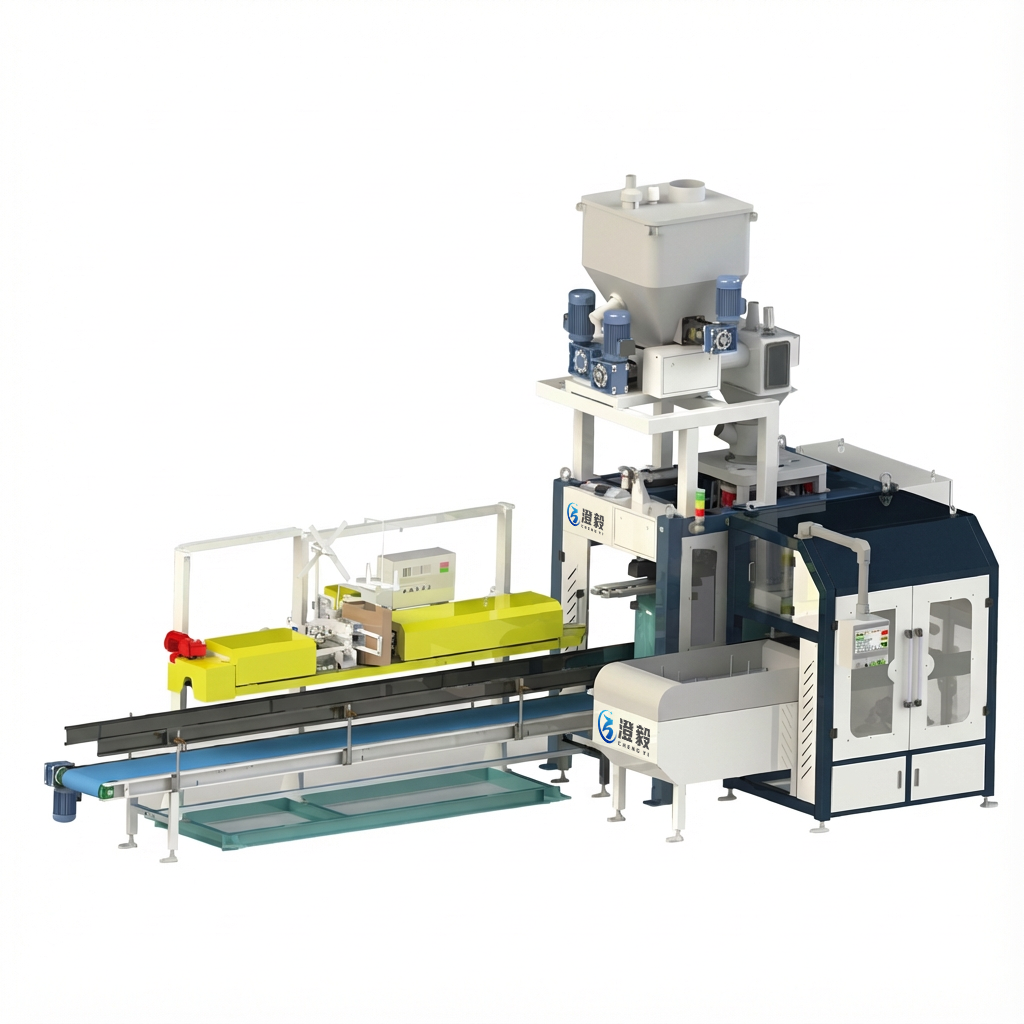
Heavy Duty Powder Packaging Machines for Cement and Mineral Powders: The Ultimate Guide
For industrial sectors like construction and mining, cement and mineral powders (including limestone, gypsum, silica, and fly ash) are foundational raw materials—but their unique properties (abrasiveness, density, and high-volume demand) require specialized packaging solutions. Standard light-duty packaging machines often fail to meet the harsh operating conditions of these sectors, leading to high downtime, safety risks, and profit loss. This guide explores heavy duty powder packaging machines tailored for cement and mineral powders, covering core definitions, key features, specifications, applications, and critical selection factors to optimize your production.
---
What Are Heavy Duty Powder Packaging Machines for Cement and Mineral Powders?
Heavy duty powder packaging machines are industrial-grade systems engineered to handle the unique demands of bulk, abrasive, and often non-free-flowing powders. Unlike general packaging equipment (designed for food or pharmaceuticals), these machines operate 24/7 in dusty, high-temperature environments, with components built to withstand the wear and tear of silica and other mineral particles. They integrate advanced technologies for precision weighing, dust suppression, and automation to ensure compliance with global safety and quality standards, while supporting high throughput for large-scale cement and mineral processing operations.
A key differentiator is their ability to process dense powders without leaks, maintain strict weight accuracy (critical for pricing and quality control), and reduce workplace hazards from airborne dust. These machines are used to package powders into bags ranging from 5kg retail units to 2000kg bulk bags (FIBCs), catering to both small producers and global industrial giants.
---
Core Features of Heavy Duty Powder Packaging for Cement & Mineral Powders
To address the specific challenges of cement and mineral powders, specialized packaging equipment includes these non-negotiable features:
1. Abrasion-Resistant Construction
Cement and mineral powders contain silica, a highly abrasive material that wears down standard machine components. Heavy duty models use hardened high-chrome steel, ceramic linings, or polyurethane coatings for hoppers, filling heads, and screw conveyors. This extends component lifespan by 30–40% compared to standard machines, reducing maintenance costs.
2. Advanced Dust Suppression Systems
OSHA, EPA, and ISO 45001 standards mandate minimal airborne dust in industrial facilities. Heavy duty packaging machines feature sealed filling stations, integrated dust extraction units that capture fine particles during bag filling, and air cushioning around bag openings to contain leaks. Some systems also connect to central dust collection systems for waste powder reuse (reducing material loss by 0.5–1%).
3. Precision Weighing Technology
Cement and mineral powders are priced by weight, so accuracy is non-negotiable. These machines use load-cell based weighing systems with ±0.1% accuracy (vs. ±0.5% for standard machines) and adjustable feed stages: fast bulk feeding for initial powder delivery, and slow fine feeding for final calibration. This eliminates product giveaway and ensures compliance with quality standards.
4. Versatile Packaging Compatibility
Heavy duty machines support multiple packaging formats tailored to end-use needs:
- Valve bags: Sealed, moisture-resistant bags ideal for cement storage (prevents clumping in humid environments).
- Open-mouth bags: Easy to fill for larger volumes (5–100kg) of clay or silica powder.
- FIBCs (Bulk Bags): For 500–2000kg loads, perfect for transporting minerals to construction sites.
5. 24/7 Industrial Automation
Most modern models are PLC-controlled, integrating seamlessly with upstream production lines (e.g., cement rotary kilns) and downstream Palletizing Systems. They support batch tracking, recipe storage for different powder types, and remote monitoring to adjust settings without manual intervention. Robust, heavy-gauge steel frames and high-torque motors ensure uninterrupted operation even in extreme plant conditions.
---
Key Advantages of Specialized Packaging for Cement & Mineral Powders
Investing in heavy duty powder packaging delivers tangible benefits for producers:
- Reduced Operational Costs: Wear-resistant parts cut maintenance by 30%, while precise weighing reduces product giveaway by thousands of dollars annually for large plants.
- Safety & Compliance: Dust control systems eliminate respiratory hazards for workers, avoiding OSHA fines. Compliance with ISO 9001 ensures packaging meets global quality norms.
- Scalability: Machines are available in outputs from 100 to 800 bags per hour, allowing producers to expand operations without replacing core equipment.
- Environmental Impact: Energy-efficient motors reduce power use by 20–25%, and recycled paper/polypropylene bags align with sustainability goals. Dust collected during packaging is often reused in production, minimizing waste.
---
Specifications Table: Heavy Duty Powder Packaging Machine Variants
Below is a technical overview of common machine types for cement and mineral powders, optimized for different production needs:
| Machine Type | Output Capacity (Bags/Hour) | Min Bag Weight | Max Bag Weight | Weighing Accuracy | Power Requirement | Ideal Applications |
|---|---|---|---|---|---|---|
| Automatic Valve Bag Filler | 200–600 | 10kg | 50kg | ±0.1% | 3–5 kW | Portland Cement, Limestone Powder, Gypsum |
| Open-Mouth Bag Packer | 150–500 | 5kg | 100kg | ±0.15% | 4–6 kW | Clay, Silica Powder, Plaster Additives |
| FIBC Bulk Bag Filling Machine | 5–15 Bulk Bags/Hour | 500kg | 2000kg | ±0.2% | 10–15 kW | Coal Powder, Mineral Concentrates, Fly Ash |
| Continuous Rotary Powder Packer | 300–800 | 10kg | 50kg | ±0.1% | 6–10 kW | Cement, Silica Sand, Construction Mineral Powders |
---
Critical Applications in Cement & Mineral Sectors
Heavy duty packaging machines serve specific needs across the value chain:
1. Cement Manufacturing: After grinding clinker into fine powder, valve bag fillers package cement into 50kg bags for retail or bulk for construction projects. The moisture-sealed valve bags preserve cement quality during long transport.
2. Mineral Powder Processing: Limestone (used in concrete and agriculture), silica (for glass production), and gypsum (for drywall) require dust-controlled packaging to avoid worker exposure and product contamination. Open-mouth packers are popular here for fast filling of large batches.
3. Specialty Minerals: Rare earth concentrates and chemical additives need cross-contamination-free packaging, so machines feature quick-change parts and dedicated clean zones.
4. Infrastructure Projects: High-speed rotary packers support large-scale packaging of fly ash and slag (cement replacements) for highways and bridges, meeting tight delivery deadlines for bulk material.
---
How to Select the Right Heavy Duty Powder Packaging Machine
Choosing the correct system depends on these key factors:
1. Powder Properties: Assess abrasiveness (high silica needs ceramic linings), flowability (cohesive powders like bentonite require aeration hoppers), and particle size (fine powders need enhanced dust extraction).
2. Production Volume: Small producers (<100 tons/day) may opt for semi-automatic machines, while large plants (>500 tons/day) need fully automated lines with conveyor and palletizing integration.
3. Packaging Format: Align with customer needs—FIBC fillers for bulk transport, valve bags for retail, open-mouth for flexible mid-sized batches.
4. Regulatory Compliance: Ensure adherence to OSHA, HSE, or CE standards for safety and emissions. For export, verify compliance with international quality norms.
5. Maintenance Support: Prioritize machines with easy access to parts, modular design for quick repairs, and predictive maintenance sensors to minimize downtime.
---
Common Challenges & Solutions
Even with specialized equipment, operators face hurdles in cement and mineral packaging:
- Powder Bridging: Fine powders clog hopper outlets. Solution: Use aeration cones or sloped hoppers (60° angle) to maintain consistent flow.
- Excessive Dust: Fine particles escape during filling. Solution: Install sealed filling heads and central dust collection systems to capture waste powder.
- Weighing Inaccuracy: Humidity changes affect powder density. Solution: Calibrate load cells monthly and use software with real-time density adjustment.
- Rapid Wear: Abrasive powders damage components. Solution: Use wear-resistant linings and schedule proactive maintenance (quarterly part inspections).
---
Future Trends in Heavy Duty Powder Packaging
The sector is evolving with technology and sustainability:
- IoT Integration: Smart sensors track machine performance, dust levels, and wear to enable predictive maintenance, reducing unplanned downtime by 40%.
- Sustainable Packaging: Machines are adapting to compostable bags and 100% recycled materials, aligning with global net-zero goals.
- Energy Efficiency: Variable frequency drives (VFDs) cut power use by 25% by adjusting motor speed to output demand.
In conclusion, heavy duty powder packaging machines are integral to the efficiency, safety, and profitability of cement and mineral producers. By selecting a system tailored to your operational needs, you can optimize throughput, reduce costs, and comply with industry standards to stay competitive in global markets.
 Baolan Group Industrial Park, Zhangdian District, Zibo City, Shandong Province Branch Offices: Hefei / Xinjiang / Shanghai Processing Bases: Zibo / Hefei
 +86 15156080266
 emocnn@163.com
© Copyright: 2026 Shandong Chengyi Intelligent Equipment Co., Ltd. All Rights Reserved.

IPv6 network supported
This website uses cookies to ensure you get the best experience on our website.


Comment
(0)