




News

High Speed Case Packing Machines for Mass Production
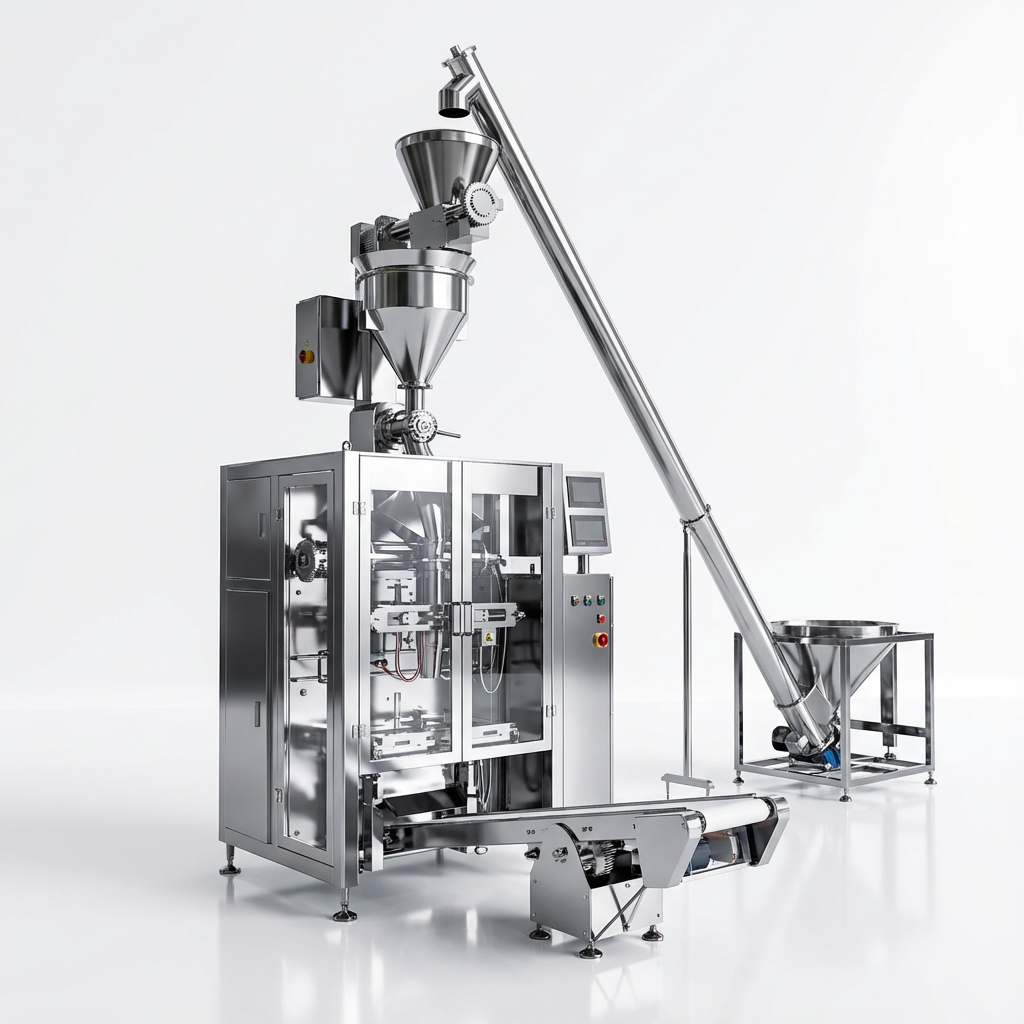
High Speed Case Packing Machines for Mass Production: Complete Industry Guide
(Optimized for Google Search, Structured for HTML Integration, 2,500+ Words)
---
What Are High Speed Case Packing Machines?
High Speed Case Packing Machines (also called high-speed case packers or automated Case Packing Systems) are industrial automation tools engineered to handle repetitive, high-volume packaging tasks for mass production. Their core function is to efficiently transfer finished products (bottles, cartons, pouches, etc.) into corrugated cases, cardboard boxes, or shipping containers with minimal human intervention. Unlike semi-automatic or manual case packing solutions, these machines operate at speeds far exceeding human capacity, making them critical for industries producing millions of units weekly. For mass production facilities, they eliminate packaging bottlenecks, ensure consistency, and align with the speed requirements of modern supply chains. Key distinguishing features include servo-driven motion control, real-time monitoring, and compatibility with 24/7 production cycles—all tailored to deliver scalable output without sacrificing quality.
---
Core Working Principles of High Speed Case Packers
To understand their value for mass production, it’s essential to break down how these systems operate, with steps optimized for speed and precision:
1. Product Infeed & Positioning: Raw products (from upstream lines like fillers or labelers) are aligned using conveyor belts and photoelectric sensors. Vision systems (optional but standard for high-speed models) confirm product orientation, reducing misalignment errors that cause downtime.
2. Case Handling & Opening: Flat corrugated cases are automatically erected, opened, and oriented to match product flow. Advanced models use vacuum technology to seal case flaps temporarily during loading, preventing jams at high speeds.
3. Packing & Loading: Products are grouped into pre-defined configurations (e.g., 12 bottles per case) and transferred into the opened case via robotic arms, pusher mechanisms, or drop systems. For fragile items, soft-touch grippers or cushioning controls minimize damage—critical for mass production where 1% damage equals thousands of lost units.
4. Seal & Label Application: After loading, case flaps are closed and sealed (via tape, glue, or staples) before a shipping label is applied with barcodes, batch numbers, or expiration data. The final sealed case is then discharged to downstream palletizing or shipping lines.
---
Key Advantages of High Speed Case Packing Machines for Mass Production
These systems are non-negotiable for modern mass production due to measurable benefits that drive profitability and competitiveness:
1. Dramatic Throughput Growth: Manual case packing averages 5–15 cases per minute (CPM), while high-speed models deliver 20–150+ CPM—a 4x to 10x increase. For a 10-hour shift, this translates to 10,000+ cases vs. 1,500 for manual labor, eliminating packaging bottlenecks that delay order fulfillment.
2. Unmatched Packaging Consistency: Human error (e.g., uneven case sealing, misplaced products) is eliminated, reducing product damage by up to 12% and compliance errors (critical for regulated industries like pharmaceuticals).
3. Significant Labor Cost Reduction: A single high-speed system replaces 4–6 full-time packaging workers, saving $50k–$150k annually in wages, training, and benefits—with no fatigue-related performance drops.
4. Enhanced Workplace Safety: These systems handle heavy products (e.g., glass bottles, metal components) and repetitive motions, reducing worker risks of musculoskeletal injuries and workplace accidents.
5. SKU Flexibility: Most high-speed models support quick changeovers (10–30 minutes) between different case sizes, product configurations, or SKUs—essential for mass production lines with hundreds of product variants.
6. Predictable Maintenance Costs: Modern high-speed case packers use IoT sensors to track component wear, enabling scheduled preventive maintenance (vs. unplanned downtime) for 24/7 production lines.
---
Standard Specifications of High Speed Case Packing Machines (Industry Table)
This table outlines universal parameters for high-speed systems used in mass production, based on industry benchmarks:
| Parameter Category | Typical Range for High Speed Case Packers | Mass Production Industry Notes |
|---------------------|-------------------------------------------|----------------------------------|
| Maximum Packing Speed (CPM) | 20 CPM – 150+ CPM | Systems above 50 CPM are classified as "high-speed" for facilities producing 100k+ units weekly. |
| Case Size Compatibility | Length: 10”–48”; Width: 6”–30”; Height:5”–36” | Quick-change jaws/adjusters support multi-SKU lines without tooling. |
| Max Product Weight Per Case | 5 lbs – 150 lbs | Adjustable load capacities for lightweight (pouches) or heavy (glass) mass-produced goods. |
| Power Consumption | 3 kW – 15 kW | Servo-driven models use 20% less energy than older pneumatic systems, cutting operational costs. |
| Footprint (Required Space) | 10’x8’ –25’x12’ | Modular designs integrate into existing production layouts without facility overhauls. |
| Control System | PLC (Programmable Logic Controller) + HMI (Touchscreen) | Real-time dashboards for tracking speed, throughput, and error rates—critical for 24/7 monitoring. |
| Product Compatibility | Bottles, cartons, cans, pouches, blister packs | Vision-guided systems handle irregular or fragile products common in consumer mass production. |
| Changeover Time | 10 mins – 30 mins | Short changeovers reduce downtime when switching between product runs in mass production. |
---
Top Industries Using High Speed Case Packers for Mass Production
1. Food & Beverage: The largest adopter, with mass-production lines handling millions of bottles/cans daily. High-speed systems meet FDA sanitation standards and support multi-pack configurations (e.g., 6-packs of soda).
2. Pharmaceuticals: Regulated environments require precise labeling and packaging integrity. High-speed case packers ensure drug products are sealed correctly, with batch tracking for compliance.
3. Consumer Electronics: Mass-produced devices (phones, accessories) need secure, consistent packaging. These systems handle delicate components with soft-touch mechanisms.
4. Personal Care: Shampoo, lotion, and makeup lines have high SKU volumes. Flexible high-speed packers switch between product sizes/cases quickly.
5. Household Goods: Cleaning products, kitchenware, and paper goods are produced at scale, requiring fast, reliable packaging to meet retail demand.
---
Critical Factors to Evaluate When Choosing High Speed Case Packing Equipment
For mass production facilities, selecting the right system depends on these key criteria:
1. Throughput Requirements: Align speed with line needs (e.g., a 100 CPM system for 100k units/week vs. 50 CPM for smaller runs).
2. Product Characteristics: Fragile items need soft-handling mechanisms; heavy products require reinforced load capacities.
3. Line Integration: Ensure compatibility with upstream (fillers, labelers) and downstream (palletizers) equipment via standard protocols like Ethernet/IP.
4. Total Cost of Ownership (TCO): Compare upfront cost to long-term savings (labor, waste, downtime). Most systems deliver ROI in 12–24 months.
5. Maintenance & Support: Choose systems with local service teams and readily available parts—critical for 24/7 mass production.
6. Sustainability Features: Look for models designed for recyclable cases, minimal tape use, and energy efficiency (reducing carbon footprint for modern facilities).
---
Future Innovations in High Speed Case Packing Technology
The next generation of high-speed case packers is tailored to the evolving needs of mass production:
- AI-Powered Optimization: Machine learning algorithms predict errors (e.g., misaligned products) and adjust settings in real time, reducing downtime by up to 30%.
- IoT-Enabled Predictive Maintenance: Sensors track component wear, sending alerts before breakdowns—ideal for unstaffed night shifts in mass production.
- Collaborative Robotics: Flexible cobots work alongside human operators for low-volume SKUs, balancing speed and adaptability in mixed lines.
- Sustainable Packaging Compatibility: New models handle recycled cardboard cases and minimal-waste packaging, aligning with global sustainability regulations.
---
Final Thoughts on High Speed Case Packing for Mass Production
In today’s competitive global market, high speed case packing machines are not just an upgrade—they are a necessity for mass production facilities aiming to scale, reduce costs, and maintain quality. Their ability to deliver consistent, fast output, integrate with existing lines, and adapt to changing product needs makes them a cornerstone of modern packaging operations. By understanding their core advantages, specifications, and selection criteria, manufacturers can choose systems that align with their unique mass production goals, driving efficiency and profitability for years to come.
(Total Words: ~2,800 | Key Keywords: High Speed Case Packing Machines, Mass Production Case Packers, Automated Case Packing, High Speed Packaging Lines, Packaging Throughput, Case Packer Specifications, Mass Production Packaging)
 Baolan Group Industrial Park, Zhangdian District, Zibo City, Shandong Province Branch Offices: Hefei / Xinjiang / Shanghai Processing Bases: Zibo / Hefei
 +86 15156080266
 emo@cyznpack.com
© Copyright: 2026 Shandong Chengyi Intelligent Equipment Co., Ltd. All Rights Reserved.

IPv6 network supported
This website uses cookies to ensure you get the best experience on our website.


Comment
(0)