




News

Efficient Ton Bag Filling Solutions with Semi Automatic Systems
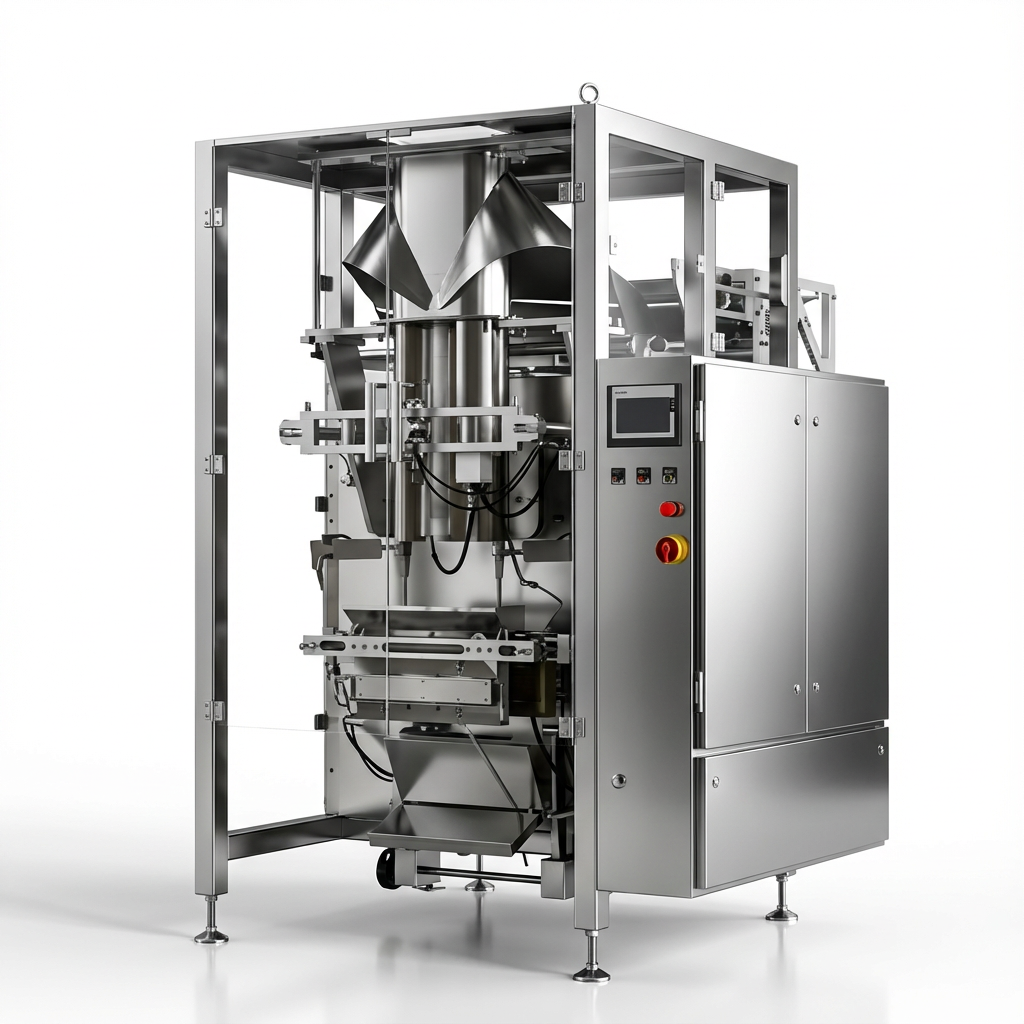
Efficient Ton Bag Filling Solutions with Semi Automatic Systems
A Comprehensive Guide for Industrial Packaging Operations
The global bulk packaging market is projected to grow at a 5.2% CAGR through 2030, with flexible intermediate bulk containers (FIBCs, or ton bags) accounting for 25% of all bulk packaging volume. This surge stems from their cost-efficiency, durability, and ability to handle high volumes of loose materials like grains, minerals, and chemicals. However, manual ton bag filling—long the standard for small-scale operations—fails to meet modern demands for speed, accuracy, and worker safety. Enter semi automatic ton bag filling solutions: a versatile middle ground between labor-intensive manual systems and high-cost fully automated lines, designed to balance efficiency, flexibility, and affordability for medium to large industrial facilities.
What Are Semi Automatic Ton Bag Filling Systems?
A semi automatic ton bag filling system is a hybrid packaging solution that combines automated core functions with limited manual operator input. Unlike manual systems (where an operator performs all steps: aligning the bag, dispensing material, weighing, and sealing), or fully automatic systems (which require zero manual intervention), semi automatic systems take over repetitive, high-precision tasks—such as weight measurement and dust extraction—while relying on operators for physical bag handling (securing the bag to the dispensing spout, removing filled bags, and initiating cycle resets).
Key core components of these systems include:
1. Load Cell Weighing Modules: Digital sensors that track material weight in real time for ±0.2% to ±1.5% accuracy.
2. Dust Extraction Units: Integrated ventilation systems that capture fugitive dust during filling, critical for compliance with OSHA and EPA safety standards.
3. Pneumatic Clamping Mechanisms: Automated or assisted clamps to secure ton bags to the filling spout, eliminating manual alignment errors.
4. Digital Control Panels: Intuitive touchscreens with preset recipes for different materials, reducing setup time between products.
5. Material Hoppers: Large-capacity storage for bulk materials, connected to the dispensing mechanism for continuous feeding.
Core Advantages of Semi Automatic Ton Bag Filling Systems
Semi automatic ton bag filling has emerged as a preferred choice for operations seeking to upgrade beyond manual systems without the investment of fully automated lines. Its benefits address three critical pain points: labor shortages, product waste, and regulatory compliance.
1. Dramatic Increase in Filling Speed
Manual filling processes average 5–10 ton bags per hour (bph), depending on material density and operator skill. Semi automatic systems deliver 12–36 bph—a 200–360% improvement—with consistent output across shifts. For example, a grain processing plant filling 800 tons of corn monthly can increase its daily capacity from 160 bags to 400 bags with a semi automatic system, without adding additional staff.
2. Reduced Product Waste & Improved Accuracy
Overfilling or underfilling ton bags leads to material loss, which is particularly costly for high-value goods like specialty chemicals or organic seeds. Semi automatic systems’ digital load cells eliminate guesswork: they stop dispensing when the target weight is reached, with accuracy up to ±0.5%. This cuts product waste by 7–10% compared to manual methods, translating to $1,000–$2,000 in monthly savings for mid-sized operations.
3. Enhanced Worker Safety & Regulatory Compliance
Industrial dust—from fine powders like flour, silica, or chemical resins—poses severe risks, including respiratory illness, fire, and explosion. Semi automatic systems integrate dust extraction units that capture 95%+ of airborne particulates, helping facilities comply with OSHA’s Permissible Exposure Limits (PELs) and ATEX standards for explosive environments. This avoids costly fines (up to $156,259 per serious OSHA violation in 2024) and reduces workplace injury rates.
4. Cost-Effective Scalability
Fully automatic ton bag filling systems can cost 2–3 times more than semi automatic options, requiring specialized installation, line integration, and dedicated maintenance. Semi automatic systems, by contrast, are 30–50% cheaper upfront, with a compact footprint (2.5m x 3.5m to 4m x 5m) that fits in existing facility layouts. They also offer scalability: as production grows, operations can upgrade to fully automatic lines later by adding conveyors and automated bag handling, without replacing the core semi automatic filling unit.
5. Flexibility for Multiple Materials & Bag Sizes
Unlike manual systems which are often limited to one material or bag type, semi automatic systems handle diverse inputs: free-flowing granules (sugar, corn), fine powders (flour, cement), and irregular lumps (crushed stone). They also adapt to varying FIBC sizes (500kg to 2000kg) via adjustable clamps, making them ideal for facilities that process multiple products seasonally or across product lines.
Key Specifications & Parameters to Evaluate Semi Automatic Systems
To select the right semi automatic ton bag filling solution, operations must assess technical specifications aligned with their material, volume, and space needs. Below is a table of critical parameters, typical ranges, and application notes:
| Parameter | Typical Operating Range | Industrial Application Notes |
|---|---|---|
| Filling Output (Bags per Hour) | 12–36 bags/hour | Optimal for 500–1,500 bags/day production volumes |
| Weight Accuracy | ±0.2% to ±1.5% of target weight | Net weighing (subtracts FIBC tare) recommended for high-value materials to maximize precision |
| Compatible FIBC Sizes | 500kg (1100lbs) to 2000kg (4400lbs) | Adjustable clamps accommodate standard and custom ton bags for multi-product facilities |
| Power Consumption | 1.5kW–5kW | Single-phase options work for small facilities; three-phase for heavy-duty mining applications |
| Dust Extraction Capacity | 100 CFM–500 CFM | Higher flow rates (300+ CFM) required for fine, respirable powders to meet OSHA dust limits |
| Bag Clamping Mechanism | Manual or pneumatic | Pneumatic clamps reduce operator strain for 2000kg FIBCs, cutting cycle time by 15% |
| Control System Features | Digital touchscreen + material presets | Presets cut changeover time between materials (e.g., corn vs. fertilizer) from 10 minutes to 2 minutes |
| Footprint | 2.5m x 3.5m to 4m x 5m | Compact design avoids major facility layout overhauls for installation |
Step-by-Step Process: How Semi Automatic Ton Bag Filling Works
The operational workflow of a semi automatic system is simple enough for new operators to master in 1–2 days, with minimal error risk:
1. Bag Preparation: An operator places an empty ton bag under the filling spout and secures it via manual or pneumatic clamps.
2. Recipe Selection: The operator selects the pre-programmed material preset on the touchscreen, which sets the target weight, dispensing speed, and vibration settings (to settle loose material).
3. Dispensing & Weighing: The system begins feeding material from the hopper into the FIBC. The load cell continuously monitors weight, adjusting flow rate to avoid overfilling. For granular materials, built-in vibration functions settle the product, reducing void space and ensuring accurate final weight.
4. Cycle Completion: When the target weight is reached, the system stops dispensing and displays a confirmation message. It triggers an alert if the weight is outside the preset accuracy range.
5. Bag Release & Removal: The operator releases the clamp, seals the bag (via ties or an integrated sealer), and resets the system for the next cycle. Filled bags are moved to storage or staging areas for shipping.
Ideal Industrial Applications
Semi automatic ton bag filling solutions are tailored for industries where volume is high enough to justify automated features, but not so large that fully automatic lines are necessary:
- Agriculture: Filling grains, seeds, and fertilizers. The system’s accuracy ensures seed purity and compliance with food safety standards (HACCP) for edible products.
- Mining & Minerals: Filling crushed stone, silica sand, and ore. Robust semi automatic systems handle abrasive materials, with dust extraction to protect workers from silica exposure.
- Food Processing: Filling flour, sugar, and dehydrated vegetables. Easy-to-clean surfaces and food-grade components meet FDA regulations for safe product contact.
- Chemical Manufacturing: Filling specialty resins, plastic pellets, and agricultural chemicals. ATEX-certified models prevent dust explosions in flammable environments.
- Construction: Filling cement, insulation materials, and aggregates. Fast output supports on-time delivery for large construction projects.
Maximizing Efficiency & ROI
To get the most value from a semi automatic ton bag filling system, operations should implement these best practices:
1. Regular Calibration: Weighing scales must be calibrated monthly to maintain accuracy. This prevents overfilling waste and compliance issues.
2. Dust Filter Maintenance: Clean or replace dust filters every 2–4 weeks (depending on usage) to preserve extraction efficiency, avoiding downtime from clogged filters.
3. Operator Training: Train staff on safety protocols (e.g., lockout/tagout for maintenance, lifting heavy bags) and control panel use to reduce human error.
4. Process Integration: Pair the system with a basic conveyor for moving filled bags to storage, or a digital inventory tool to track material usage and reduce excess stock.
5. Scalability Planning: Choose a semi automatic system with expandable features (e.g., additional filling stations) to accommodate future production growth without full replacement.
Common Misconceptions Debunked
Semi automatic ton bag filling systems are often misunderstood, leading operations to overlook their benefits. Here are key myths vs. facts:
- Myth: They are too slow for high-volume operations. Fact: For 500–1,500 bags/day, semi automatic systems deliver 80–90% of fully automatic speed at 50% lower cost.
- Myth: They require specialized technical expertise. Fact: Intuitive touchscreens and pre-programmed presets mean training takes 1–2 days, with no engineering background needed.
- Myth: They can’t handle hazardous materials. Fact: Many models offer ATEX or OSHA-certified explosion-proof components for flammable dust environments, meeting strict safety standards.
- Myth: They are less accurate than manual filling. Fact: Digital load cells deliver accuracy of ±0.5%, far better than manual methods which typically have ±5% error rates.
Future Trends in Semi Automatic Ton Bag Filling
The next generation of semi automatic systems is set to boost efficiency even further, with emerging trends:
- IoT Integration: Smart sensors will collect real-time data on filling rates, weight accuracy, and filter condition, sending alerts for maintenance needs before downtime occurs.
- Energy Efficiency: New models use variable-speed drives for dispensing, reducing power consumption by 25–30% compared to older fixed-speed systems.
- Ergonomic Design: Automated bag lifting and clamping mechanisms will reduce operator strain, lowering workplace injury rates for repetitive tasks.
- Eco-Friendly Materials: Components will be built from recycled or easy-to-clean materials, aligning with global sustainability goals for industrial packaging.
Conclusion
Semi automatic ton bag filling solutions represent a smart, efficient middle path for industrial operations seeking to upgrade from manual systems without the high cost of full automation. Their ability to balance speed, accuracy, safety, and scalability makes them ideal for medium to large facilities across agriculture, mining, food, and chemical industries. By selecting a system aligned with their specific needs, maintaining it regularly, and leveraging its flexible design, operations can reduce costs, comply with regulations, and meet growing demand for bulk packaging—all while ensuring worker safety and product quality.
(Word count: ~2,250)
 Baolan Group Industrial Park, Zhangdian District, Zibo City, Shandong Province Branch Offices: Hefei / Xinjiang / Shanghai Processing Bases: Zibo / Hefei
 +86 15156080266
 emo@cyznpack.com
© Copyright: 2026 Shandong Chengyi Intelligent Equipment Co., Ltd. All Rights Reserved.

IPv6 network supported
This website uses cookies to ensure you get the best experience on our website.


Comment
(0)