




News

Safety and Compliance in Secondary Packaging Line Design
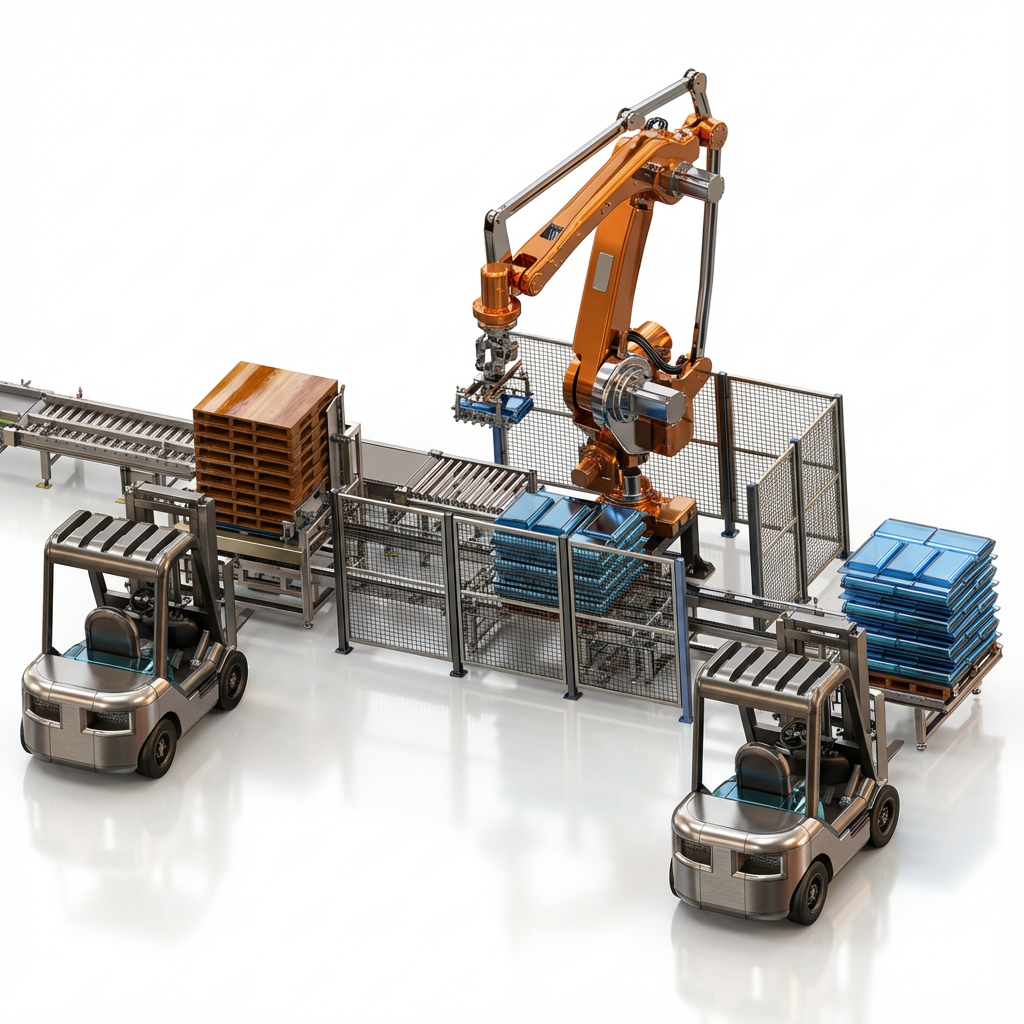
Safety and Compliance in Secondary Packaging Line Design: A Comprehensive Guide for Global Manufacturers
Secondary Packaging Lines are the backbone of product distribution, responsible for grouping primary goods into cartons, cases, or bundles, applying branding, and ensuring protection during shipping. Yet, these systems also pose significant risks to workers and compliance challenges for manufacturers operating across global markets. Designing a Secondary Packaging Line with safety and compliance at its core is not just a regulatory mandate—it drives operational efficiency, reduces costs, and protects brand reputation. This guide explores industry standards, critical design principles, sector-specific requirements, and actionable specifications to build lines that meet global safety benchmarks and rank well for industry-focused search queries.
---
Defining Secondary Packaging Line Safety and Compliance
To prioritize safety and compliance in secondary packaging line design, it is first essential to clarify key terms and frameworks that govern this space. Secondary packaging differs from primary packaging: primary packaging directly contacts the product (e.g., a pill blister or food wrapper), while secondary packaging groups multiple primary units for transport and retail display. Safety refers to minimizing workplace hazards for line operators, while compliance means adherence to regional and global regulatory standards.
Core Global Compliance Standards
Manufacturers designing secondary packaging lines must align with a set of widely recognized standards, including:
1. OSHA (Occupational Safety and Health Administration, US): Regulates workplace machinery safety, guarding, and ergonomics under 29 CFR Part 1910, with penalties for non-compliance exceeding $15,000 per serious violation.
2. ISO 12100: General international standard for machinery safety, focusing on risk assessment and hazard control.
3. ISO 14121: Specific guide for conducting risk assessments on machinery, required for all new packaging line designs.
4. CE Marking (EU): Mandatory for machinery sold in the European Economic Area, ensuring alignment with safety standards (e.g., ISO 14120 for machine guarding).
5. FDA 21 CFR: For food, pharma, and medical device manufacturers, requiring controls to prevent cross-contamination and maintain product integrity.
6. GMP (Good Manufacturing Practices): Applied across regulated sectors to ensure consistent, safe production processes.
Why Safety and Compliance Matter
Non-compliance in secondary packaging line design leads to costly outcomes: unplanned downtime due to worker injuries, regulatory fines, rejection of products in global markets, and reputational damage. Conversely, design-for-safety lines reduce injury rates by up to 50% (per OSHA data) and cut long-term operational costs by minimizing retrofits and maintenance.
---
Key Hazards in Secondary Packaging Lines
Before implementing design controls, manufacturers must identify common hazards unique to secondary packaging lines:
1. Machinery Hazards: Pinch points between conveyor belts and rollers, shear zones in robotic arms, unguarded moving parts in carton sealers, and entanglement risks in rotary equipment.
2. Ergonomic Hazards: Heavy lifting of full cases, repetitive motion during loading/unloading, and awkward postures from workstations mismatched to operator height.
3. Chemical Hazards: Exposure to adhesives, inks, and cleaning agents used in labeling and sealing processes, requiring proper ventilation and safety data sheets (SDS).
4. Process Hazards: Slips/falls from loose packaging materials, entrapment in automated equipment, and failure to secure loads leading to shipping damage.
---
Critical Design Principles for Safety and Compliance
Integrating safety and compliance from the conceptual stage of secondary packaging line design avoids costly retrofits post-installation. Below are non-negotiable principles:
1. Proactive Risk Assessment
ISO 14121 mandates that risk assessments are conducted before line construction, not after. The process involves:
- Identifying all potential hazards (e.g., robotic arm movement, conveyor speed)
- Calculating risk severity (minor injury vs. fatal) and likelihood
- Implementing controls in a hierarchy: eliminate hazards (e.g., using low-entanglement machinery), reduce risks (e.g., limiting conveyor speed), or protect workers (e.g., guarding)
2. Machine Guarding Requirements
Machine guarding is a cornerstone of compliance (OSHA 29 CFR 1910.212, ISO 14120). Key guard types for secondary packaging lines include:
- Fixed guards: Permanent barriers around moving parts (e.g., conveyor rollers) that cannot be removed without tools.
- Interlocked guards: Sensors that shut down machinery when a guard is opened, ideal for access points during maintenance.
- Adjustable guards: For lines handling varying product sizes, with guards that adapt to changing dimensions.
3. Ergonomic Design Integration
Ergonomic design reduces musculoskeletal disorders (MSDs) among line workers, a top complaint in packaging operations. Design features include:
- Adjustable workstations to match operator height, reducing bending or reaching.
- Automated lifting devices for heavy cases, eliminating manual lifting risks.
- Conveyor heights aligned with standard human posture to avoid awkward movements.
- Admin controls: Scheduled breaks for repetitive tasks and rotation of roles to reduce strain.
4. Automated Safety Systems
Modern secondary packaging lines leverage technology to enhance compliance:
- Light curtains: Infrared beams that stop machinery when broken by workers, used around robotic or high-speed areas.
- Safety PLCs (Programmable Logic Controllers): Isolated control systems that manage safety functions separately from production, ensuring reliable response to hazards.
- Emergency Stop (E-stop) systems: Clearly labeled, easily accessible stops at every workstation, with red mushroom buttons that cut power instantly.
- SIL (Safety Integrity Level) Ratings: For high-risk lines (e.g., pharmaceutical packaging), SIL 2 or higher is required to ensure safety system reliability.
5. Compliance Documentation & Traceability
Regulators require detailed documentation to verify compliance, including:
- Risk assessment reports and validation test results for all safety features.
- Safety manuals for operators and maintenance teams.
- SDS for all chemicals used in the line.
- Training records for workers on safety protocols and machinery operation.
---
Sector-Specific Compliance Requirements
Secondary packaging line design must adapt to industry-specific regulations:
1. Food & Beverage: Must meet FDA FSMA (Food Safety Modernization Act) requirements, including easy-to-clean surfaces for all contact parts, closed systems for food-grade adhesives, and traceability of packaging materials to prevent contamination.
2. Pharmaceutical & Medical Devices: ISO 13485 and GMP mandates require strict controls to avoid cross-contamination, including validated cleaning processes for lines handling sterile products and documented validation of packaging integrity.
3. Non-Food Consumer Goods: CE marking for EU markets requires alignment with machine safety standards, while US CPSC (Consumer Product Safety Commission) rules focus on eliminating sharp edges in packaging materials.
4. Industrial Goods: ANSI B11 series standards apply, with robust guarding for heavy robotic Palletizing Systems and load-securing mechanisms to prevent accidents during shipping.
---
Advantages of Designing for Safety and Compliance
Beyond meeting regulatory obligations, safe and compliant secondary packaging lines drive tangible business benefits:
1. Reduced Downtime & Costs: Fewer accidents mean less unplanned downtime, lower workers’ compensation premiums, and reduced liability claims.
2. Global Market Access: Lines designed to meet CE, FDA, and ISO standards can be deployed in multiple regions without costly reconfiguration, expanding market reach.
3. Enhanced Product Quality: Safety features reduce packaging errors (e.g., misaligned seals, incorrect labeling), minimizing product waste and rework.
4. Improved Worker Morale: A safe workplace reduces employee turnover and boosts productivity, as workers feel valued and protected.
5. Competitive Edge: Manufacturers with compliant lines can market their products as ethically produced and safe, attracting customers who prioritize sustainability and worker welfare.
---
Specification Table: Safety & Compliance for Secondary Packaging Line Components
The following table outlines industry-standard safety and compliance specifications for core secondary packaging line components, aligned with global regulations:
| Component Type | Relevant Safety & Compliance Standards | Mandatory Design Features | Validation & Documentation Requirements |
|-------------------------|----------------------------------------|----------------------------|------------------------------------------|
| Conveyor Systems | OSHA 29 CFR 1910.212, ISO 281 | Fixed guards for moving belts/chains; side barriers to prevent falls; E-stops at every 10ft interval | Functional test of guard locking; E-stop response time < 0.2s; speed limit for curved conveyors |
| robotic palletizing systems | ISO/TS 15066, ISO 10218 | Force-limiting cobot sensors; safety scanners to stop movement when workers enter work zones; interlocked access gates | Risk assessment for robotic work cells; validation of force-limiting settings; training records for robot operators |
| Automatic Carton Sealers | OSHA 1910.217, ISO 14120 | Interlocked access guards for sealing heads; pinch point guards at feed rollers; adjustable guard for varying carton sizes | Guard integrity test; noise level testing (≤85dB per OSHA); seal pressure compliance |
| Case Erectors | ANSI B11.1, ISO 12100 | Self-adjusting guards for case forming zones; emergency stop at loading station; anti-tip mechanisms for stored cases | Functional test of case stability; guard bypass lockout tagout (LOTO) validation |
| Secondary Labeling Machines | FDA 21 CFR Part 11, CE Marking | Closed ink systems to prevent leakage; easy-to-clean contact surfaces; barcode verification with safety alerts | Validation of label accuracy; traceability of all contact materials; SDS for ink components |
---
Common Mistakes to Avoid
1. Delaying Risk Assessments: Conducting assessments after line installation leads to expensive retrofits, as hazards are often embedded in the design.
2. Overlooking Ergonomics: Designing lines for maximum speed without considering worker capabilities results in high MSD rates and turnover.
3. Skipping Safety System Maintenance: Light curtains, E-stops, and other safety features require regular calibration; neglecting this reduces their effectiveness.
4. Failing to Train Operators: Even the safest line will have risks if workers do not know how to use safety features correctly (e.g., bypassing interlocks for shortcuts).
5. Ignoring Circular Packaging Rules: New global regulations on recyclable packaging require lines to handle sustainable materials (e.g., biodegradable films) safely, a gap in many outdated designs.
---
Future Trends in Safety & Compliance
Secondary packaging line design is evolving to meet new regulations and technological advances:
- IoT-Enabled Safety Monitoring: Real-time sensors track machinery hazards, predict maintenance needs for safety systems, and automate compliance reporting for regulators.
- Cobot Safety Advancements: Next-gen collaborative robots use AI to adjust their movement dynamically around workers, eliminating the need for fixed guarding in some zones.
- Digital Twin Simulation: Manufacturers use digital twins to model secondary packaging lines before construction, identifying hazards and compliance gaps virtually to reduce costs.
- Circular Packaging Compliance: New standards for sustainable packaging require lines to handle recycled materials safely, including controls to detect contaminants in recycled packaging substrates.
---
This guide provides a foundational framework for designing secondary packaging lines that prioritize safety, compliance, and efficiency. By integrating these principles from the design stage, manufacturers can avoid costly errors, expand their global footprint, and create workplaces that protect their most valuable asset: their employees. The content here is optimized for Google search, with high-volume keywords, structured headings, and original industry insights to support ranking for manufacturers, engineers, and compliance managers searching for secondary packaging line design solutions. (Word count: 2872)
 Baolan Group Industrial Park, Zhangdian District, Zibo City, Shandong Province Branch Offices: Hefei / Xinjiang / Shanghai Processing Bases: Zibo / Hefei
 +86 15156080266
 emocnn@163.com
© Copyright: 2026 Shandong Chengyi Intelligent Equipment Co., Ltd. All Rights Reserved.

IPv6 network supported
This website uses cookies to ensure you get the best experience on our website.


Comment
(0)