




News

Semi Automatic Ton Bag Fillers with Weighing and Control Systems
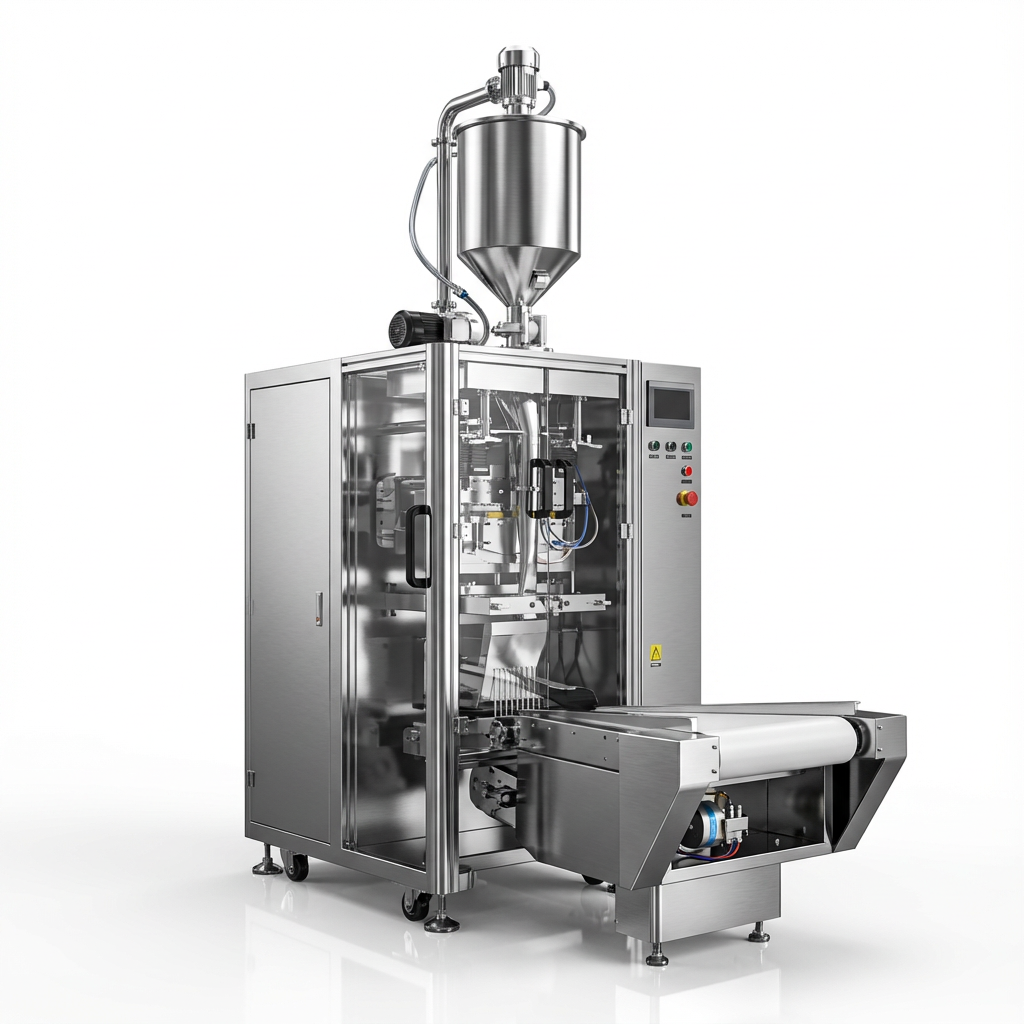
Semi Automatic Ton Bag Fillers with Weighing and Control Systems: A Comprehensive Guide for Industrial Bulk Handling
Efficient bulk material handling is a cornerstone of manufacturing, agriculture, and industrial sectors worldwide, and the need for precise, cost-effective bagging solutions has never been higher. Among the most widely adopted tools for this purpose are semi automatic ton bag fillers with weighing and control systems—specialized equipment designed to streamline the filling of large, flexible bulk bags (commonly called ton bags, FIBCs, or big bags) while maintaining strict weight accuracy. Unlike manual bagging, which relies on labor-intensive processes and often results in inconsistent weights or material waste, semi automatic ton bag fillers combine automated weighing technology with user-friendly operation to balance productivity, precision, and affordability. This guide explores the definition, components, advantages, key specifications, applications, and maintenance of these essential industrial machines, providing a comprehensive resource for businesses seeking to optimize their bulk material packing operations.
---
1. Definition of Semi Automatic Ton Bag Fillers with Weighing and Control Systems
A semi automatic ton bag filler with weighing and control systems is an industrial packing machine that automates the process of filling flexible intermediate bulk containers (FIBCs or ton bags) with bulk materials, while integrating precise weighing technology and a programmable control system to ensure accurate weight measurement and consistent filling. The term “semi automatic” distinguishes these machines from fully automatic ton bag fillers, as they require minimal operator intervention to complete the bagging cycle: operators typically attach the ton bag to the filling nozzle, initiate the filling process via the control panel, and then remove the filled bag once the weighing system signals completion.
The integrated weighing and control systems are critical components, as they eliminate human error in weight measurement, reduce material waste, and enable real-time monitoring of filling parameters. These systems use load cells to measure the weight of the material being dispensed into the ton bag, while a programmable logic controller (PLC) or human-machine interface (HMI) manages the entire process—from material flow rate adjustment to stopping the fill once the target weight is reached. Unlike manual filling, where weight accuracy can vary by 2-5% (leading to overfilling or underfilling), semi automatic ton bag fillers with weighing systems achieve accuracy levels as high as ±0.1% of the set weight, making them ideal for industries where precision is non-negotiable.
---
2. Core Components of Semi Automatic Ton Bag Fillers with Weighing Systems
To understand how these machines deliver their performance, it’s essential to break down their key components, each of which plays a vital role in the filling, weighing, and control processes:
- Weighing Module: The heart of the system, consisting of precision load cells (usually shear beam or compression load cells) that attach to the filling frame or the bag itself to measure the weight of the dispensed material. These load cells are calibrated to provide accurate weight readings, even under dynamic conditions (when material is flowing into the bag). They send real-time weight data to the control system, which adjusts the filling rate to ensure the target weight is met.
- Filling Nozzle/Head: The component that dispenses the bulk material into the ton bag. It is designed to minimize dust generation during filling—often featuring a dust seal or connection to an external dust collection system. The nozzle is adjustable to fit different bag sizes and material types, ensuring a tight seal to prevent material spillage.
- Bag Tensioning & Lifting Mechanism: Semi automatic ton bag fillers include a mechanism to hold the ton bag securely in place during filling, such as bag hooks, clamps, or lifting arms. This ensures the bag is stable as material is added, preventing movement that could disrupt weight readings. Some systems also have a vibrating mechanism to settle the material in the bag, allowing more material to be filled without exceeding the target weight (especially for granular or powdery materials).
- Control Panel (PLC + HMI): The user interface that allows operators to input parameters like target weight, material type, and filling speed. The PLC (Programmable Logic Controller) manages the entire cycle, from starting the material flow to stopping it once the weight is reached, while the HMI (Human-Machine Interface) displays real-time data, alerts, and historical filling records. This enables operators to adjust settings quickly and monitor performance.
- Dust Collection System: A critical component for maintaining a safe and clean work environment, especially when filling fine powders or dusty materials. It connects to the filling nozzle or the bag opening, capturing airborne dust generated during the filling process and preventing it from entering the workspace or contaminating the material.
- Material Flow Control Valve: Regulates the rate at which bulk material is dispensed into the ton bag. It typically has two stages: a high-speed flow for most of the filling process (to save time) and a low-speed flow for the final portion (to ensure precision and avoid overfilling). This “fast-slow” filling method is essential for achieving high accuracy in weight measurement.
- Conveyor System (Optional): Some semi automatic ton bag fillers are equipped with a conveyor to transport empty bags to the filling station and remove filled bags after completion, further reducing manual labor. This is especially useful in high-volume operations.
---
3. Key Advantages of Semi Automatic Ton Bag Fillers with Weighing and Control Systems
Businesses across industries are increasingly adopting semi automatic ton bag fillers over manual or fully automatic alternatives, due to the unique benefits these machines offer:
- Cost-Effectiveness: Compared to fully automatic ton bag fillers (which require large upfront investment and complex integration), semi automatic models have lower initial costs, making them accessible to small and medium-sized enterprises (SMEs) as well as large industrial operations. They also reduce labor costs by requiring only one operator instead of multiple workers for manual bagging, leading to long-term savings.
- High Filling Accuracy: The integrated weighing and control systems ensure that each ton bag is filled within tight weight tolerances (usually ±0.1% to ±0.5% of the target weight). This eliminates the problem of overfilling (which wastes material and increases costs) and underfilling (which leads to compliance issues or customer dissatisfaction). For industries like food processing or chemicals, where precise measurements are required for regulatory compliance, this accuracy is a critical advantage.
- Operational Flexibility: Semi automatic ton bag fillers can handle a wide range of bulk materials, including granular (grains, sand, fertilizers), powdery (flour, cement, chemical powders), and flaky materials. They also accommodate different ton bag sizes, from 500kg to 2000kg capacity, making them suitable for diverse production needs. The control system allows quick adjustments to parameters like target weight and filling speed, enabling businesses to switch between products efficiently.
- Improved Work Safety & Cleanliness: The dust collection system integrated into these machines reduces airborne dust, which is a major health hazard for workers (especially in industries with fine powders like mining or chemicals). Additionally, the semi automatic operation reduces manual lifting and handling of heavy bags, lowering the risk of workplace injuries like back strains.
- Easy Maintenance & Reliability: Unlike fully automatic systems, which have complex components that require specialized maintenance, semi automatic ton bag fillers are designed with simplicity in mind. Their components are easier to access, and routine maintenance tasks (like cleaning, calibrating load cells, or changing filters) are straightforward, reducing downtime and maintenance costs.
- Increased Productivity: While manual bagging takes significant time per bag (often 2-5 minutes per ton bag), semi automatic ton bag fillers reduce the cycle time to 30-60 seconds per bag, depending on the material. This higher speed translates to increased throughput, allowing businesses to fill more bags in less time and meet production deadlines more consistently.
- Data Tracking & Compliance: The control systems in these machines can store historical filling data, including weights, cycle times, and material types. This data can be used to generate reports, monitor performance, and ensure compliance with industry regulations (like food safety standards for food-grade materials or environmental regulations for hazardous materials). This feature is particularly valuable for businesses that need to maintain detailed records for audits or quality control.
---
4. Critical Specifications for Semi Automatic Ton Bag Fillers with Weighing Systems
When selecting a semi automatic ton bag filler, businesses need to evaluate key specifications to ensure the machine meets their operational needs. The table below outlines the most important specifications, along with typical values found in industry-standard models:
| Specification Category | Details | Typical Value Range |
|-------------------------------|-------------------------------------------------------------------------|-----------------------------------------------|
| Maximum Ton Bag Capacity | The maximum weight of material the machine can fill into one ton bag | 500 kg to 2,000 kg (1,100 lbs to 4,400 lbs) |
| Filling Accuracy | Precision of weight measurement for each filled bag | ±0.1% to ±0.5% of the target weight |
| Operation Cycle Time | Time taken to complete one full bagging cycle (from start to finish) | 30 seconds to 60 seconds per ton bag |
| Material Compatibility | Types of bulk materials the machine can handle | Granular, powdery, flaky, free-flowing materials |
| Control System Type | Core control technology used for operation | PLC + HMI (Programmable Logic Controller + Human-Machine Interface) |
| Load Cell Type | Type of load cells used for weight measurement | Shear beam or compression load cells |
| Bag Size Range | Dimensions and capacity of ton bags the machine can accommodate | FIBCs from 500L to 2,500L in volume |
| Dust Extraction Connection | Size of the port for connecting external dust collection systems | 100 mm to 150 mm (4 inches to 6 inches) |
| Power Requirement | Electrical power needed to operate the machine | 380V-480V, 3-phase, 50Hz/60Hz |
| Operating Temperature Range | Temperature conditions where the machine operates effectively | 0°C to 40°C (32°F to 104°F) |
| Lifting Mechanism Type | Method used to secure and lift ton bags during filling | Bag hooks, clamps, or hydraulic lifting arms |
| Material Flow Stages | Number of speed stages for material dispensing | 2-stage (high-speed + low-speed) or 3-stage |
This table provides a quick reference for businesses comparing different semi automatic ton bag fillers. It’s important to note that some specifications may vary based on the machine’s design and intended use case—for example, models handling very fine powders may require additional dust suppression features, while those for large-scale agriculture may prioritize higher throughput.
---
5. Industrial Applications of Semi Automatic Ton Bag Fillers with Weighing Systems
Semi automatic ton bag fillers with weighing and control systems are versatile machines that serve a wide range of industries where bulk material packing is essential. Some of the most common applications include:
- Agriculture & Agribusiness: In the agriculture sector, these machines are used to fill ton bags with grains (wheat, corn, rice), seeds, fertilizers, pesticides, and animal feed. The high accuracy ensures that each bag meets weight requirements for transportation and sale, while the flexibility to handle different granular and powdery materials makes them ideal for mixed agricultural products. Additionally, the dust collection system helps reduce the risk of grain dust explosions, a critical safety concern in agricultural processing facilities.
- Chemical Industry: The chemical sector relies on these machines for packing various chemical products, including powders (like sodium bicarbonate, PVC resin), granules (fertilizer chemicals, polymer pellets), and flaky materials. The precise weighing ensures compliance with regulatory standards for chemical packaging, as many chemicals require exact quantities for transportation and usage. The control systems also allow operators to adjust settings for hazardous materials, including features like explosion-proof components for handling flammable chemicals.
- Food Processing & Packaging: Food-grade materials such as sugar, flour, salt, spices, cocoa powder, and food additives require strict adherence to food safety regulations. Semi automatic ton bag fillers used in this industry are designed with stainless steel components that are easy to clean, and the weighing systems ensure that each bag meets labeling requirements (e.g., net weight on packaging). The dust control features also prevent cross-contamination between different food products, a key requirement in food processing facilities.
- Construction & Building Materials: For construction industries, these machines fill ton bags with materials like cement, sand, gravel, plaster, and aggregates. The high throughput of semi automatic fillers helps construction companies meet the demand for bulk materials on job sites, while the accuracy reduces material waste (a critical factor for controlling construction costs). The durable design of these machines also withstands the harsh environments often found in construction material plants.
- Mining & Minerals: The mining sector uses semi automatic ton bag fillers to pack mineral ores, metal powders, and mineral concentrates. These machines are built to handle heavy, abrasive materials, and the weighing systems ensure that each ton of mineral is precisely measured for transportation. The dust collection systems are especially important here, as mining materials often generate large amounts of harmful dust, protecting worker health and reducing environmental pollution.
- Recycling & Waste Management: In recycling industries, these machines can be used to pack recycled materials like plastic pellets, metal scrap, or paper fibers. The flexibility to adjust to different material types makes them suitable for the varied products handled in recycling facilities, while the accurate weighing helps in calculating the value of recycled materials for sale.
---
6. How Semi Automatic Ton Bag Fillers with Weighing Systems Enhance Operational Efficiency
Investing in a semi automatic ton bag filler with weighing and control systems can significantly improve operational efficiency for businesses, leading to higher productivity and lower costs. Here’s how:
- Reduced Material Waste: Manual bagging often results in overfilling or underfilling, which wastes material and increases production costs. The precise weighing systems in these machines ensure that each bag is filled to within tight tolerances, reducing material waste by up to 50% compared to manual methods. For example, a food processing plant that fills 10,000 tons of sugar annually could save hundreds of tons of sugar each year with a high-accuracy ton bag filler.
- Lower Labor Costs: Semi automatic ton bag fillers require only one operator to manage the filling process, instead of the 2-3 workers needed for manual bagging. This reduces labor expenses, especially for high-volume operations where manual labor costs can be substantial. The time saved by eliminating manual bagging allows operators to focus on other critical tasks in the production line.
- Minimized Downtime: The robust design of semi automatic ton bag fillers, combined with their simple maintenance requirements, leads to less downtime compared to fully automatic systems. Routine maintenance tasks like calibrating load cells or cleaning the dust collector are quick and easy, ensuring that the machine operates consistently with minimal interruptions.
- Improved Product Consistency: The control systems in these machines ensure that every ton bag is filled with the same weight and volume, leading to consistent product quality. This is particularly important for industries like food and chemicals, where product uniformity is required for customer satisfaction and regulatory compliance. Consistent filling also reduces the risk of rejected bags due to incorrect weight, saving time in quality control processes.
- Enhanced Safety Compliance: Workplaces that handle bulk materials are subject to various safety regulations, including OSHA standards for dust control and manual handling. Semi automatic ton bag fillers reduce manual lifting of heavy bags (by using lifting mechanisms and clamps) and integrate dust collection systems that comply with environmental safety regulations. This helps businesses avoid costly fines and improve workplace safety for their employees.
- Scalability: Semi automatic ton bag fillers can be scaled to meet increasing production needs. For businesses that start with medium volume, these machines can be upgraded or expanded as their operations grow, without the need for a complete replacement of equipment. The control systems also allow for easy integration with other production lines, making them adaptable to future changes in operational requirements.
---
7. Maintenance Best Practices for Longevity
To ensure that a semi automatic ton bag filler operates at peak performance for years, regular maintenance is essential. Following these best practices will extend the machine’s lifespan and minimize unexpected breakdowns:
- Routine Weighing System Calibration: Load cells and weighing modules must be calibrated regularly (usually every 3-6 months, depending on usage) to maintain accuracy. Calibration involves comparing the machine’s readings to standard weights and adjusting the control system as needed. Uncalibrated weighing systems can lead to inaccurate fills, wasting material and causing compliance issues.
- Dust Collection System Cleaning: The dust collector filter should be cleaned or replaced on a scheduled basis (monthly or quarterly, based on dust volume) to ensure efficient operation. Clogged filters reduce dust extraction, leading to poor air quality and potential damage to the machine’s components. Additionally, the dust collection ductwork should be inspected regularly for blockages.
- Moving Parts Lubrication: All moving parts, including lifting arms, clamps, and conveyor systems, should be lubricated according to the manufacturer’s guidelines. This reduces friction, prevents wear and tear, and ensures smooth operation. Over-lubrication can cause issues, so it’s important to follow the recommended lubrication schedule.
- Load Cell Inspection: Inspect load cells for damage, corrosion, or loose connections regularly. Load cells are sensitive components, so even minor damage can affect accuracy. If a load cell is damaged, it should be replaced promptly to avoid disruptions in the filling process.
- Control System Software Updates: The PLC and HMI software should be updated periodically by the manufacturer to fix bugs, improve performance, and add new features. Outdated software can cause operational issues, so keeping the control system up-to-date is critical.
- General Cleaning: The entire machine should be cleaned regularly to remove material dust and debris. This includes the filling nozzle, control panel, and exterior surfaces. For food-grade machines, stainless steel components should be sanitized to meet food safety standards.
- Cycle Testing: Perform periodic cycle tests to check the machine’s performance, including filling accuracy, cycle time, and material flow. This helps identify potential issues early, before they lead to downtime or quality problems.
---
8. Conclusion
Semi automatic ton bag fillers with weighing and control systems are essential tools for modern industrial bulk material handling, offering a balance of precision, efficiency, and affordability that manual and fully automatic systems often lack. From their core components like load cells and PLC controls to their wide range of applications across agriculture, chemicals, food processing, and construction, these machines are designed to meet the diverse needs of businesses of all sizes. The advantages they provide—including high filling accuracy, cost savings, improved safety, and operational flexibility—make them a worthwhile investment for any industry that relies on packing bulk materials into ton bags. By selecting the right machine based on key specifications and following regular maintenance practices, businesses can maximize the performance and longevity of their semi automatic ton bag fillers, leading to increased productivity and profitability in their operations.
(Word count: ~
 Baolan Group Industrial Park, Zhangdian District, Zibo City, Shandong Province Branch Offices: Hefei / Xinjiang / Shanghai Processing Bases: Zibo / Hefei
 +86 15156080266
 emocnn@163.com
© Copyright: 2026 Shandong Chengyi Intelligent Equipment Co., Ltd. All Rights Reserved.

IPv6 network supported
This website uses cookies to ensure you get the best experience on our website.


Comment
(0)