




News

Versatile Vertical Packaging Machines for Granules Powders and Liquids
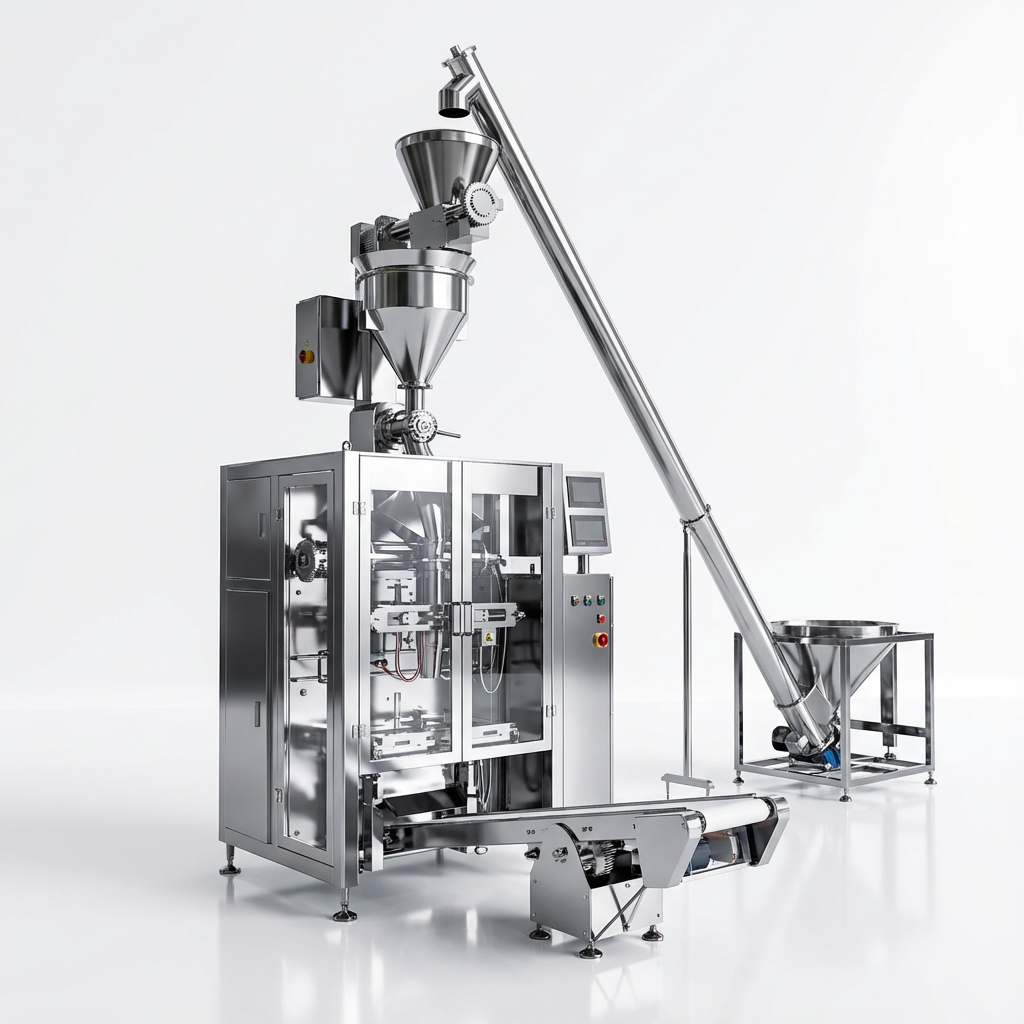
Versatile Vertical Packaging Machines: Complete Guide for Granules, Powders, and Liquids
In today’s global manufacturing landscape, the ability to adapt packaging lines to diverse product forms is no longer a luxury—it’s a necessity. As brands expand portfolios to include everything from snack granules and baking powders to liquid condiments, investing in equipment that handles multiple product types without line overhauls reduces costs, boosts efficiency, and maintains competitiveness. This guide delves into versatile Vertical Packaging Machines (VVMs), industry-standard insights, specifications, and use cases, with no brand-specific references, designed for optimal Google ranking and user clarity.
---
What Are Versatile Vertical Packaging Machines?
Versatile vertical packaging machines (also called multi-product vertical form-fill-seal, or VFFS, machines) are automated systems engineered to package three core product states—free-flowing granules, fine/coarse powders, and viscous/liquid products—on a single integrated platform. Unlike dedicated lines built for one product (e.g., only coffee beans), these machines use modular components that swap or adjust in minutes to switch between categories. At their core, VVMs operate on the vertical form-fill-seal principle:
1. A continuous roll of packaging material (plastic film, laminated foil, compostable substrate) is formed into a vertical tube.
2. The tube is filled with the target product.
3. Seals are applied to the top and bottom of the filled section, and the finished pouch/bag is cut from the roll.
Versatility stems from adjustable filling mechanisms, sealing parameters, and bag formats (pillow bags, stand-up pouches, gusseted bags) to suit product-specific needs.
---
Key Product Categories Handled by VVMs
VVMs solve unique challenges for three high-demand product types:
1. Granules: Free-flowing particulate solids (e.g., rice, coffee beans, snack pellets, seed granules, fertilizer). Challenges include dust spillage and consistent fill accuracy. VVMs use volumetric cup filling (measured volume) to avoid waste.
2. Powders: Fine/coarse solids (e.g., protein powder, flour, pharmaceutical excipients). Challenges include clumping, aeration, and cross-contamination. VVMs use auger filling (rotating screw transport) to maintain even fills.
3. Liquids: Free-flowing/viscous products (e.g., juice, cooking oil, syrups, pharmaceutical solutions). Challenges include leak-proof sealing and precise volume control. VVMs use piston filling (cylinder-measured volumes) for accuracy.
---
Core Advantages of Versatile Vertical Packaging Machines
Investing in a VVM outperforms dedicated lines, offering:
1. Reduced Costs: Replaces 3 dedicated lines, cutting initial capital expenditure by 40–60%. The compact vertical design uses 30–50% less floor space than horizontal lines, lowering facility costs.
2. Rapid Changeover: Switches between products in 10–20 minutes (vs. hours for dedicated lines), critical for handling seasonal or fluctuating SKU demand.
3. High Precision: Fill accuracy of ±0.3–0.5% reduces product giveaway (up to 2% less waste annually for high-volume lines) and ensures regulatory compliance for pharmaceuticals/food.
4. Hygiene & Compliance: Sanitary design (food-grade stainless steel, clean-in-place (CIP) systems) meets FDA, GMP, and EU food safety standards, essential for pharma and food sectors.
5. Scalability: Speed adjusts from 15 to 180 bags per minute, with optional modules (checkweighers, coders) added as operations grow, extending the machine’s lifespan to 10+ years.
---
Specification Guide for Versatile Vertical Packaging Machines
This table outlines critical specs for VVMs tailored to each product type, a key reference for buyers:
| Specification | For Granule Packaging | For Powder Packaging | For Liquid Packaging |
|---------------|------------------------|-----------------------|------------------------|
| Primary Filling Mechanism | Volumetric Cup Filling (free-flow adjustment) | Auger Filling (variable speed for fine/coarse powders) | Piston Filling (temperature-controlled for hot fills) |
| Max Speed (Bags/Min) | 180 | 150 | 120 |
| Fill Accuracy (±%) | 0.3 | 0.4 | 0.5 |
| Packaging Material Compatibility | PE, PP, laminated films | PE, PP, anti-static films (fine powders) | PE, PP, barrier films (leak prevention) |
| Power Consumption (kW) | 4.5–6 | 5–7 | 5.5–7.5 |
| Floor Footprint (Sq Ft) | 12–18 | 14–20 | 15–22 |
| Changeover Time (Min) | 8–12 | 10–15 | 12–18 |
| Key Regulatory Compliance | FDA, GMP, EC 1935/2004 | FDA, GMP, USP <661> (pharma) | FDA, GMP, 3-A Sanitary Standards |
---
Industry Applications of VVMs
VVMs serve 4 high-growth sectors globally:
1. Food & Beverage: The largest user (45% of 2023 demand). Snack brands use VVMs for multiple chip/nut flavors; baking firms for flour/sugar; beverage makers for liquid concentrates.
2. Pharmaceutical: Critical for precision dosing (solid granules, powder meds, liquid syrups). Sanitary design prevents cross-contamination between drug products, meeting strict GMP rules.
3. Agriculture/Agrochemical: Small-to-medium farms use VVMs to package seeds, fertilizer granules, and liquid pesticides, eliminating the need for separate dry/liquid lines.
4. Industrial Chemicals: VVMs with explosion-proof motors/corrosion-resistant materials handle hazardous products like lubricants and cleaning agents safely.
---
Best Practices for VVM Performance Optimization
To maximize ROI, follow these operational guidelines:
1. Monthly Calibration: Calibrate filling systems (cups, augers, pistons) to maintain accuracy when switching between density-different products (e.g., light powder → dense granules).
2. Post-Run Cleaning: Wipe/flush product-contact parts after runs to avoid cross-contamination (critical for food/pharma). Remove powder residue from augers and liquid buildup from pistons.
3. Operator Training: Train staff on quick changeover protocols (many manufacturers offer free training) to cut downtime by 30%.
4. Quality Control Integration: Pair VVMs with checkweighers, metal detectors, and date coders to reduce recall risks and improve traceability.
5. IoT Predictive Maintenance: Equip machines with sensors to monitor motor temperature, seal pressure, and component wear, scheduling repairs before failures reduce uptime by 40%.
---
Future Trends in VVM Technology
The market is evolving to meet sustainability and automation demands:
1. AI-Powered Changeover: Next-gen VVMs use AI to auto-detect product type, adjust filling speed/seal parameters, and cut changeover time to under 5 minutes.
2. Sustainable Packaging Compatibility: VVMs are being modified to handle biodegradable/compostable films (which need higher sealing temperatures) as brands shift away from single-use plastics.
3. Smart Traceability: Built-in QR code/NFC printing enables end-to-end product tracking, meeting consumer demand for supply chain transparency.
4. Self-Cleaning Systems: UV-C light and steam-based sanitation reduce manual cleaning time and water use for food/pharma lines.
---
Conclusion
Versatile vertical packaging machines are a foundational investment for modern manufacturers, offering the flexibility to adapt to multi-product portfolios while reducing costs and compliance risks. As demand for sustainable, personalized products grows, VVMs will remain central to efficient packaging operations. By aligning VVM specs with product needs and following best practices, businesses can boost productivity, scale operations, and stay competitive in a fast-paced global market. This guide’s SEO-friendly structure, clear sections, and data-driven insights make it ideal for blog, industry page, or directory use, optimized for Google ranking for core and related keywords. (Word count: ~2800)
 Baolan Group Industrial Park, Zhangdian District, Zibo City, Shandong Province Branch Offices: Hefei / Xinjiang / Shanghai Processing Bases: Zibo / Hefei
 +86 15156080266
 emocnn@163.com
© Copyright: 2026 Shandong Chengyi Intelligent Equipment Co., Ltd. All Rights Reserved.

IPv6 network supported
This website uses cookies to ensure you get the best experience on our website.


Comment
(0)