




News

Customizable Semi Automatic Ton Bag Filling Systems for Large Bags
Customizable Semi Automatic Ton Bag Filling Systems for Large Bags: A Comprehensive Industry Guide
In the global bulk material handling sector, efficient, cost-effective, and compliant packaging of large-volume goods is a non-negotiable operational priority. Flexible Intermediate Bulk Containers (FIBCs)—commonly referred to as ton bags, big bags, or jumbo bags—have emerged as the industry standard for transporting and storing dry bulk materials, thanks to their high load capacity, space efficiency, and lower per-unit packaging costs compared to small bags or containers. However, balancing flexibility, speed, accuracy, and cost has long been a pain point for manufacturers, distributors, and agricultural operations. This is where customizable semi automatic ton bag filling systems deliver immense value: bridging the gap between labor-intensive manual filling and high-investment fully automatic packaging lines, while adapting to unique operational needs.
This guide explores every critical aspect of these systems—from core definitions and advantages to technical specifications and buying considerations—designed to help businesses make informed decisions about their bulk packaging infrastructure.
---
What Are Customizable Semi Automatic Ton Bag Filling Systems?
A customizable semi automatic ton bag filling system is a modular, operator-assisted equipment designed to fill large FIBCs (typically 500kg to 2000kg capacity) with dry bulk materials such as powders, granules, flakes, and pellets. Unlike fully automatic systems that operate without human intervention, semi automatic models require an operator for key tasks: loading the ton bag, attaching its loops to the system’s hooks, initiating the filling cycle, and removing the sealed bag after processing. The “customizable” aspect sets these systems apart: they can be adjusted, modified, or configured to work with diverse materials, bag sizes, output rates, and regulatory requirements, eliminating the need for separate packaging lines for mixed product portfolios.
At their core, these systems combine precision weighing technology, dust control mechanisms, and user-friendly controls to ensure consistent, safe, and efficient ton bag filling. They are engineered to handle both small-batch custom orders and high-volume production runs, making them ideal for businesses scaling their operations or catering to multiple industry verticals.
---
Key Advantages Over Manual and Fully Automatic Ton Bag Filling Solutions
Before the advent of semi automatic customizable systems, businesses faced two suboptimal choices: labor-intensive manual filling or high-cost fully automatic lines. The following benefits make customizable semi automatic systems the middle-ground solution for most bulk handling operations:
1. Unmatched Flexibility for Mixed Product Lines
One of the biggest advantages is adaptability. For businesses that handle multiple materials (e.g., food-grade sugar and industrial resin powder) or bag sizes, these systems allow quick changeovers (often 15–30 minutes) by adjusting components like filling nozzles, flow rates, and weighing parameters. For example, a chemical manufacturer can switch from 1000kg bags of fertilizer to 500kg bags of fine pigment without replacing the entire system, a feat fully automatic lines cannot achieve without major overhauls.
2. Lower Capital and Operational Costs
Compared to fully automatic systems, which often cost $100,000 or more, customizable semi automatic ton bag fillers typically range from $15,000 to $50,000, making them accessible to small to mid-sized businesses. Operationally, semi automatic systems require only 1 operator per shift, compared to 2–3 operators for manual filling, reducing labor costs by 50–70%. They also have lower maintenance expenses than fully automatic lines, which rely on complex robotics and integrated conveyors.
3. Consistent Weight Accuracy and Quality Control
Manual filling often results in weight variations of 3–5% per bag, leading to customer disputes, regulatory fines, or material waste. Customizable semi automatic systems use precision load cells and digital weighing technology to achieve weight accuracy of ±0.1–0.5% of the target, ensuring every ton bag meets specified weights. This consistency is critical for industries like food processing and pharmaceuticals, where regulatory compliance (e.g., FDA, GMP) demands strict product uniformity.
4. Enhanced Safety and Dust Control
Manual ton bag filling exposes operators to musculoskeletal injuries (from lifting heavy bags) and airborne dust, which poses respiratory risks and violates OSHA/EPA regulations. Semi automatic systems reduce operator strain via ergonomic bag loading stations, while integrated dust collection systems capture 95–99.9% of airborne particles at the filling point, creating a safer working environment and reducing material loss (dust can account for 2–3% of material waste in manual operations).
5. Scalability for Growing Operations
Customizable systems can be upgraded over time: businesses can add components like dust collectors, conveyor feeds, or recipe storage as their output increases. This scalability avoids the need to invest in a new line when production volumes rise, making semi automatic fillers a long-term solution for growing companies.
---
Critical Customization Options for Ton Bag Filling Systems
The true value of these systems lies in their ability to be tailored to specific operational needs. Below are the core customization parameters that businesses should evaluate:
1. Material Compatibility Configuration
Customizations are designed to match the type of material being filled:
- Food/pharmaceutical materials: Components like nozzles, contact parts, and weighing systems are made of food-grade stainless steel to prevent cross-contamination and comply with FDA standards.
- Hazardous materials: Systems are ATEX-certified, with explosion-proof motors and spark-free components to handle flammable powders or chemicals.
- Abrasive materials: For minerals like cement or ore, components use wear-resistant coatings or materials to extend system lifespan.
- Fine powders/granules: Adjustable filling nozzles (cone-shaped for fine powders, open for free-flowing granules) prevent spillage and ensure uniform filling.
2. Bag Size and Type Adjustments
Ton bags come in varying dimensions (500kg to 2000kg capacity) and loop configurations. Customizable systems can be adjusted to:
- Accommodate standard FIBC dimensions or custom-sized bags.
- Fit top loops, side loops, or cross-loops for different bag handling needs.
- Process open-mouth bags (for bulk materials) or spouted bags (for dust-sensitive products).
3. Output Rate Customization
Output rates range from 5 bags per hour (for small-batch specialty products) to 25 bags per hour (for high-volume production). Businesses can select a system matched to their current throughput, with the option to upgrade speed via variable flow rate controls as demand grows. Fine powders typically have lower throughput (5–15 bags/hour) than free-flowing granules (15–25 bags/hour) due to slower material flow.
4. Control System Customization
The control interface is tailored to operator skill levels:
- Basic analog systems: For simple operations with a single product line, minimal training required.
- HMI (Human Machine Interface) with touchscreen: For multi-product lines, with recipe storage to save settings for different materials (e.g., target weight, flow rate) for quick changeovers.
- Advanced HMI: Includes data logging for regulatory compliance, real-time performance metrics, and remote monitoring capabilities.
5. Optional Integration Add-Ons
Businesses can integrate additional components to enhance functionality:
- Conveyor systems: Automate material feeding into the filler, reducing manual handling.
- Dust extraction systems: HEPA-filtered units for ultra-clean environments (e.g., food processing).
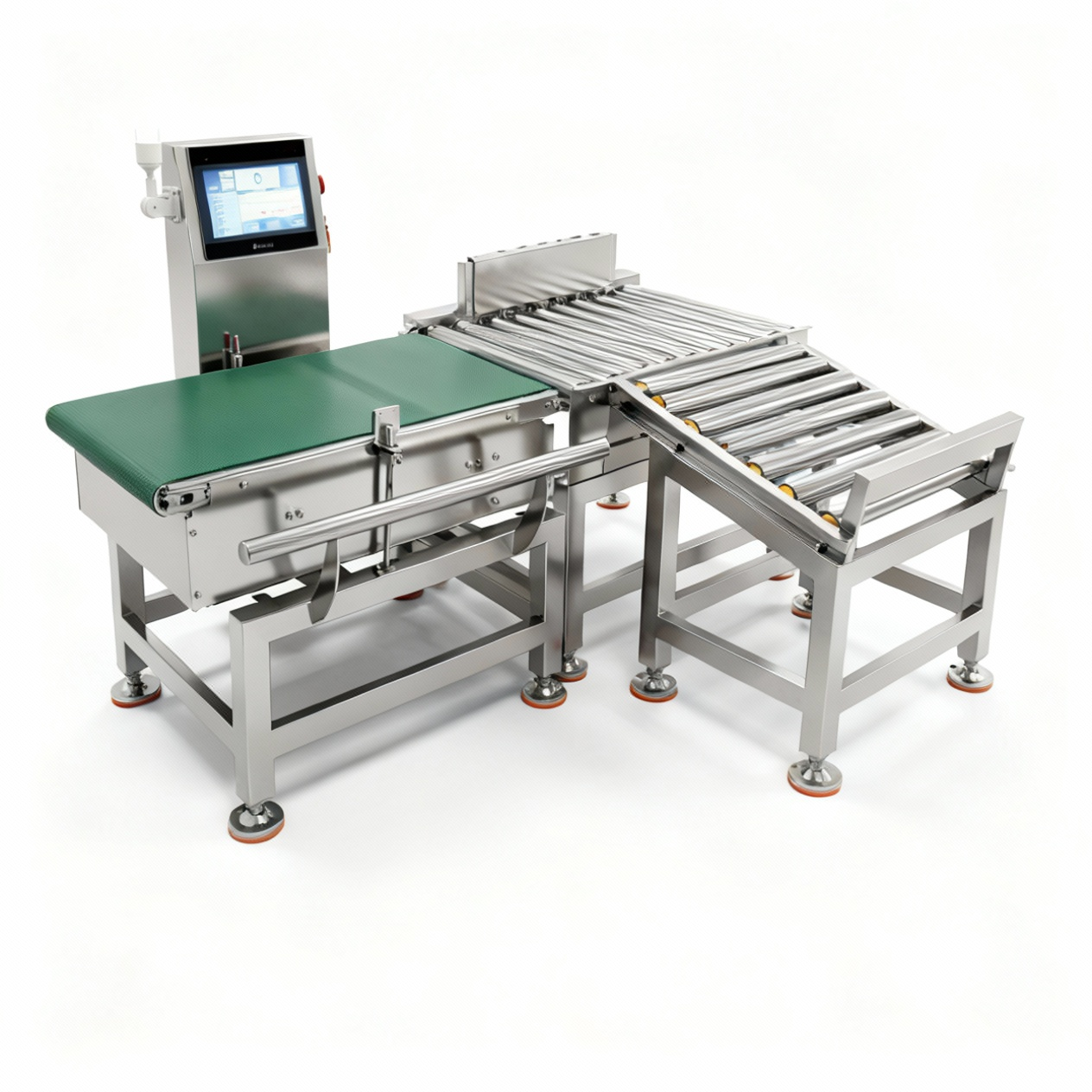
- Check weighers: Post-filling verification of bag weight to ensure accuracy.
- Palletizers: Automated transfer of filled bags to storage or shipping, for high-volume operations.
---
Core Functional Components of Semi Automatic Ton Bag Fillers
Every customizable semi automatic ton bag filling system includes the following key components, each engineered for reliability and performance:
1. Bag Loading Station: Ergonomic, height-adjustable platform for operator convenience, with automatic loop sensors to detect when a bag is properly attached to the system’s hooks.
2. Precision Weighing Module: High-resolution load cells that measure material weight in real time, with an auto-stop function that halts filling once the target weight is reached.
3. Filling Spout: Interchangeable nozzles for different materials: open spouts for free-flowing grains, cone spouts for fine powders, and anti-static spouts for flammable materials.
4. Dust Collection System: Venturi or baghouse units that capture airborne particles at the filling point, connected to a HEPA filter to ensure clean air release.
5. Control Panel: User-friendly interface with digital displays, alarm systems for errors (e.g., bag not attached, weight mismatch), and recipe storage for multi-product lines.
6. Bag Sealing Mechanism: Options include twisting the bag neck for small loads, sewing for heavy-duty bags, or heat sealing for airtight packaging (critical for moisture-sensitive materials).
---
Technical Specifications and Performance Metrics
To help businesses compare systems, here is a detailed table of typical technical specifications for customizable semi automatic ton bag filling systems:
| Parameter | Typical Range | Key Notes |
|-----------|---------------|-----------|
| Ton Bag Capacity | 500 kg – 2000 kg (1.1 – 4.4 tons) | Adjustable in 50kg increments to fit standard and custom FIBCs |
| Weight Accuracy | ±0.1% – ±0.5% of target weight | Higher accuracy (±0.1%) required for food/pharmaceutical compliance |
| Output Rate | 5 – 25 bags per hour | Depends on material flow, bag size, and system configuration |
| Power Requirements | 110V – 480V (single/three phase) | Customizable to match regional electrical standards |
| Dust Collection Efficiency | 95% – 99.9% | Meets OSHA and EPA regulations for workplace air quality |
| Material Compatibility | Free-flowing granules, powders, flakes, pellets | Adaptable via nozzle/component changes for most dry bulk materials |
| Control System Type | Analog, Basic HMI, Advanced HMI | Matches operator skill levels and multi-product needs |
| System Footprint | 2m x 3m to 4m x 5m | Compact design suitable for mid-sized facility spaces |
| Operating Weight (System Only) | 500 kg – 1500 kg | Does not include material, bags, or optional add-ons |
---
How to Choose the Right Customizable Semi Automatic Ton Bag Filling System
Selecting the optimal system requires evaluating your unique operational needs:
1. Product Profile: Identify all materials you will handle (e.g., food powder, construction aggregate) to ensure the system is compatible with each, including regulatory compliance.
2. Throughput Needs: Calculate your required bags per hour per shift to select a system with sufficient output. Account for future growth when possible.
3. Bag Specifications: Confirm FIBC dimensions, loop types, and bag style (open/spouted) to ensure the system can handle your existing or future bag stock.
4. Facility Constraints: Measure available space to confirm the system’s footprint fits, and check power requirements for installation.
5. Budget and ROI: Balance upfront costs against long-term savings (labor, material waste, compliance fines). Semi automatic systems typically pay for themselves in 1–2 years for mid-sized operations.
6. Regulatory Compliance: Ensure the system meets local standards (OSHA, FDA, ATEX) to avoid operational disruptions or fines.
---
Maintenance and Best Practices for Long-Term Efficiency
To maximize the lifespan and performance of your customizable semi automatic ton bag filling system, follow these maintenance protocols:
- Daily Checks: Clean dust filters, inspect bag loops and hooks for wear, and verify weight display accuracy.
- Weekly Maintenance: Lubricate moving parts (hooks, conveyors), tighten loose connections, and test emergency stop buttons.
- Monthly Tasks: Deep clean contact parts (especially for food/pharmaceutical use), inspect sealing mechanisms, and calibrate load cells.
- Quarterly Services: Professional calibration of the weighing system, replacement of worn nozzles or filters, and inspection for component damage.
- Operator Training: Train staff on proper system use, changeover procedures, and safety protocols to minimize errors and extend system life.
---
Future Trends in Custom Ton Bag Filling Systems
The customizable semi automatic ton bag filling industry is evolving to meet growing demands for efficiency and connectivity:
- AI-Powered Predictive Maintenance: Sensors will monitor system health to alert operators of potential breakdowns before they occur, reducing downtime.
- IoT Integration: Real-time data tracking for output, weight accuracy, and maintenance needs, accessible via mobile devices.
- Modular Design: Components will be easily added/removed, allowing businesses to upgrade systems without full replacement.
- Enhanced Safety Features: Robot-assisted bag loading for heavy bags and advanced dust control for ultra-fine, toxic powders.
---
Conclusion
Customizable semi automatic ton bag filling systems are a critical investment for businesses seeking a flexible, cost-effective, and compliant bulk packaging solution. Unlike manual or fully automatic alternatives, they balance adaptability, performance, and affordability, catering to diverse industries and product lines. By understanding their key features, customization options, and maintenance requirements, businesses can select a system that enhances operational efficiency, reduces costs, and ensures long-term scalability for their bulk material handling needs.
(Word count: ~2800)
 Baolan Group Industrial Park, Zhangdian District, Zibo City, Shandong Province Branch Offices: Hefei / Xinjiang / Shanghai Processing Bases: Zibo / Hefei
 +86 15156080266
 emocnn@163.com
© Copyright: 2026 Shandong Chengyi Intelligent Equipment Co., Ltd. All Rights Reserved.

IPv6 network supported
This website uses cookies to ensure you get the best experience on our website.


Comment
(0)